
Proyecto Gestión Sostenible de Playas Rep. Dominicana - MITUR / BID
CONSULTANT / INTER-AMERICAN DEVELOPMENT BANK (IDB)
Project DR-L1154: Sustainable Coastal Management Technical support for the Feasibility Study for Sustainable Coastal Management between the IDB and the Ministry of Tourism of the Dominican Republic
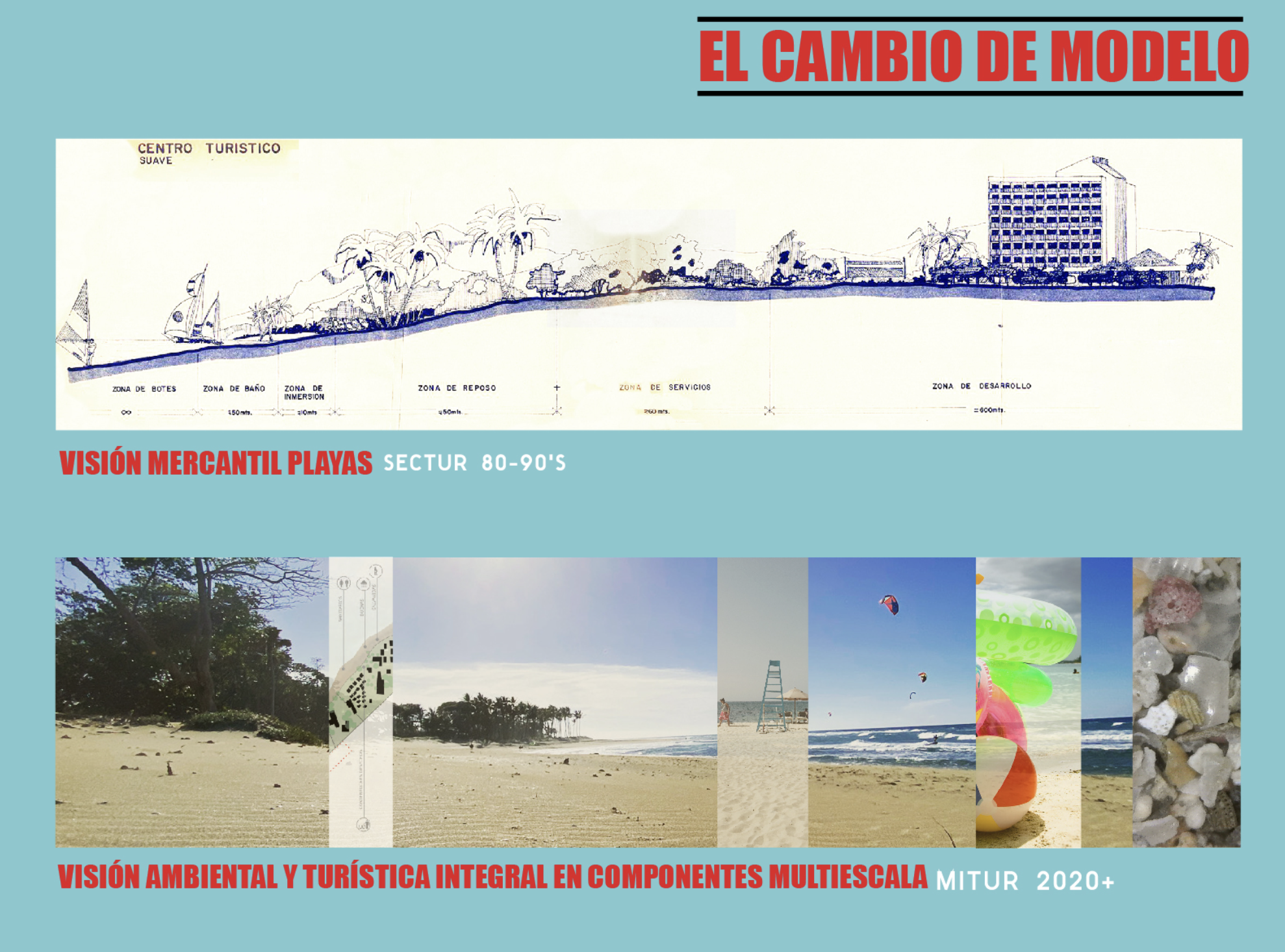
Cambio de Modelo
Trabajo de asesoría para el diseño sostenible de playas para el Ministerio de Turismo de República Dominicana a través del Banco Interamericano de Desarrollo. Diseños iniciales generales para 30 playas a intervenir.


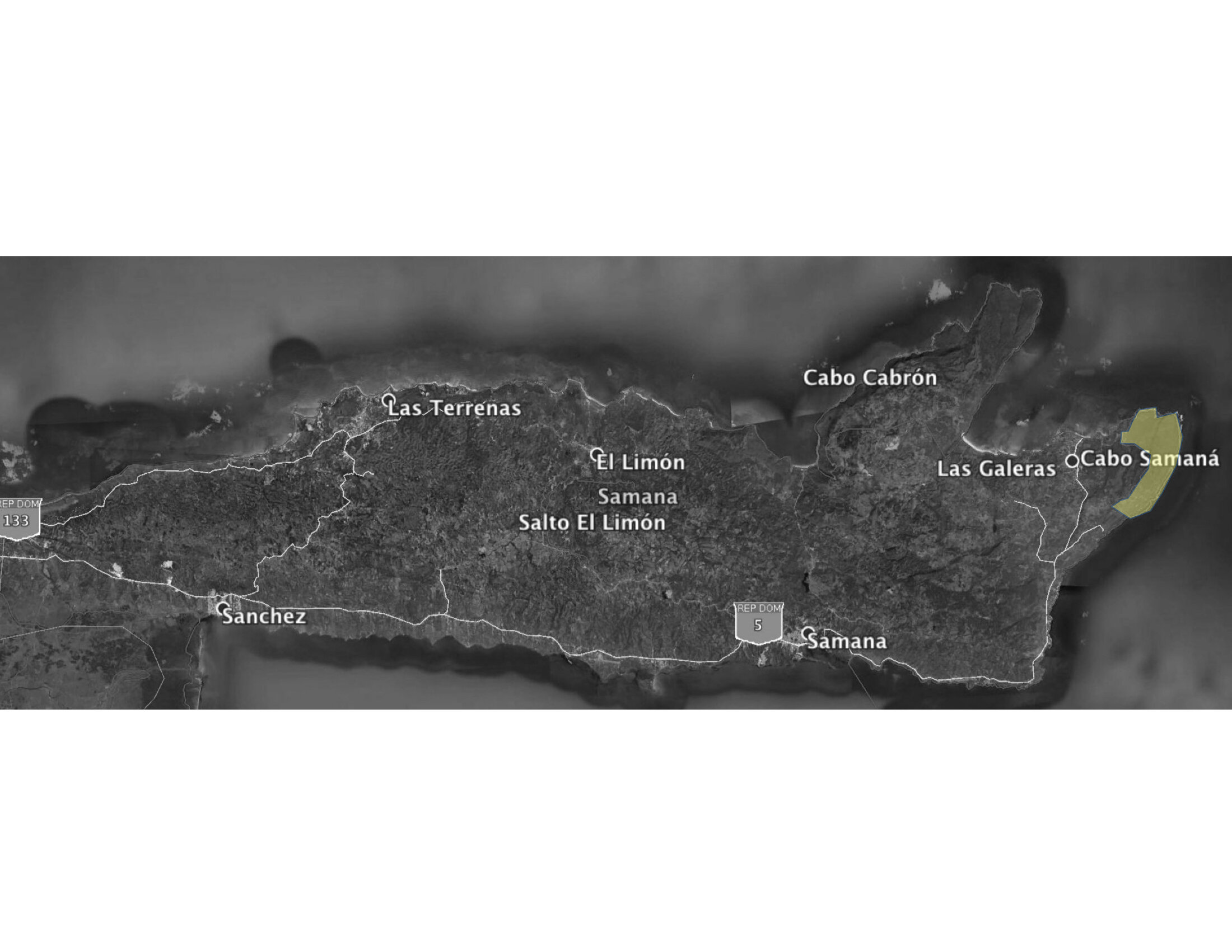
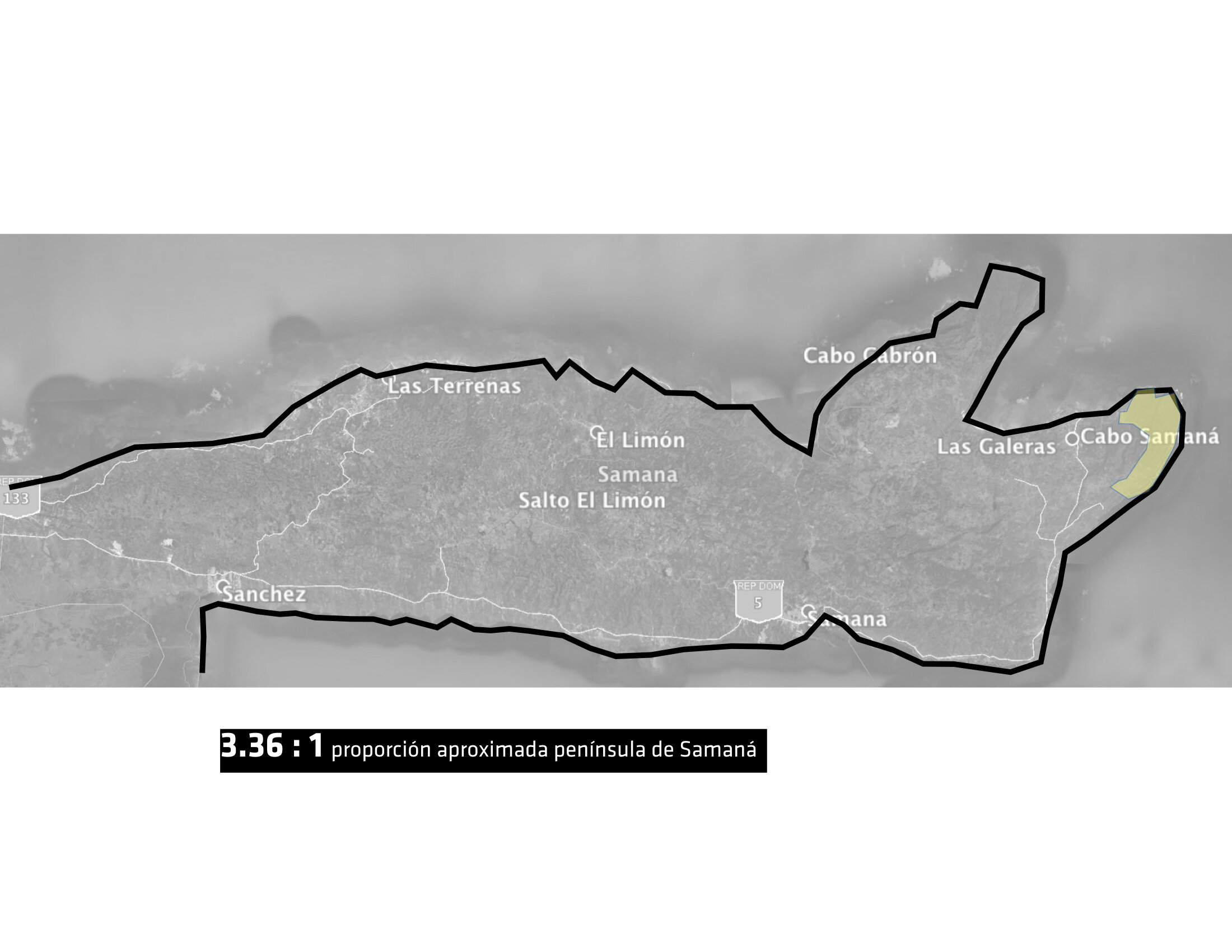
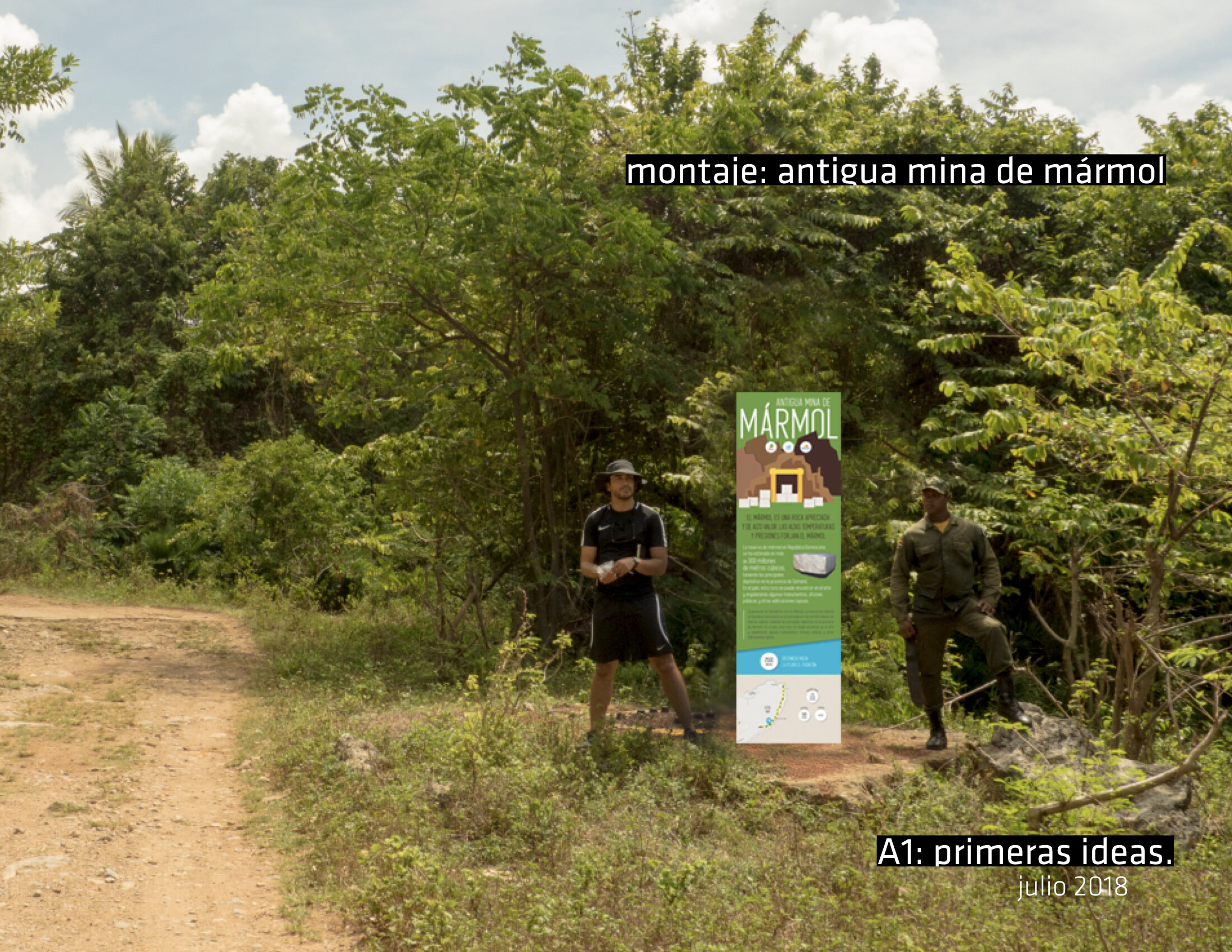
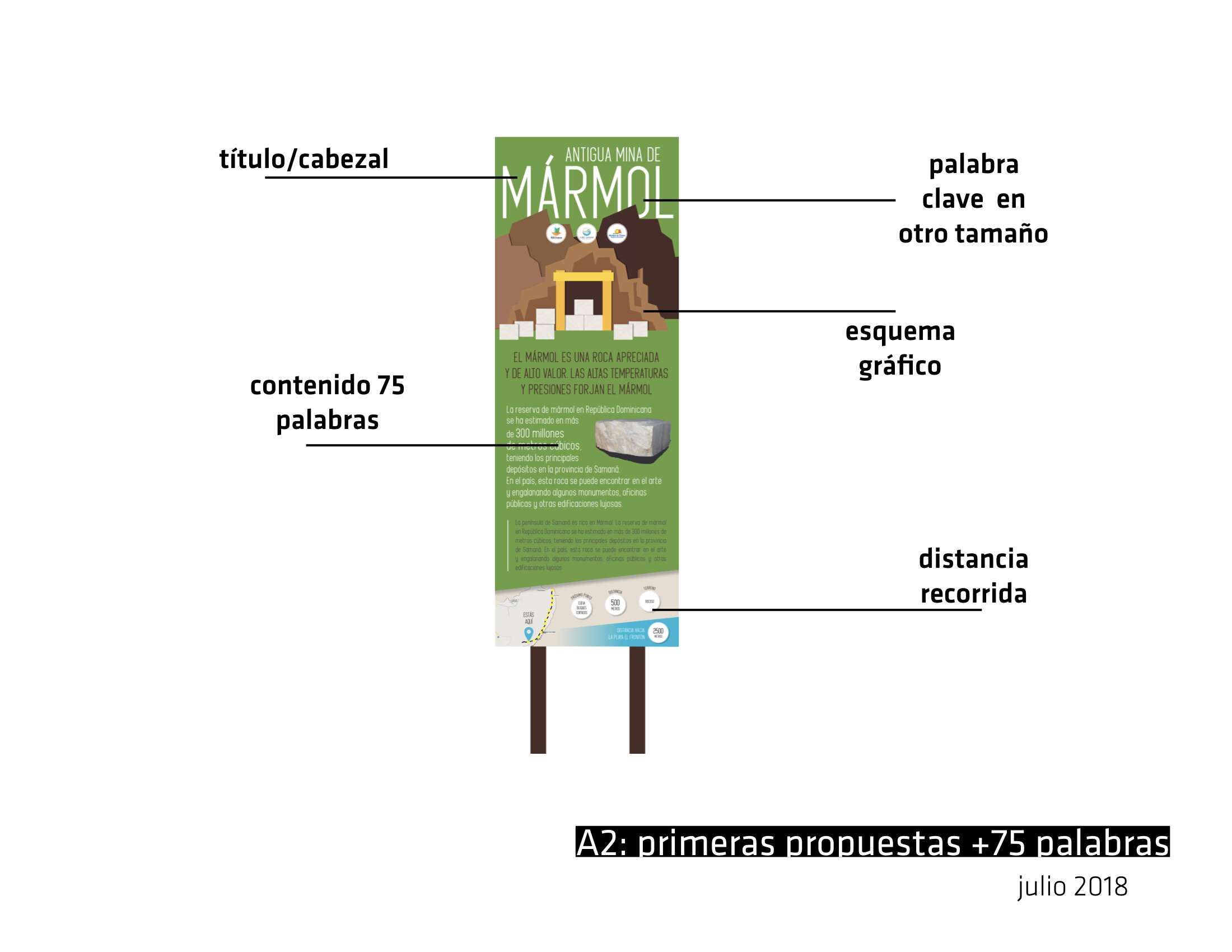
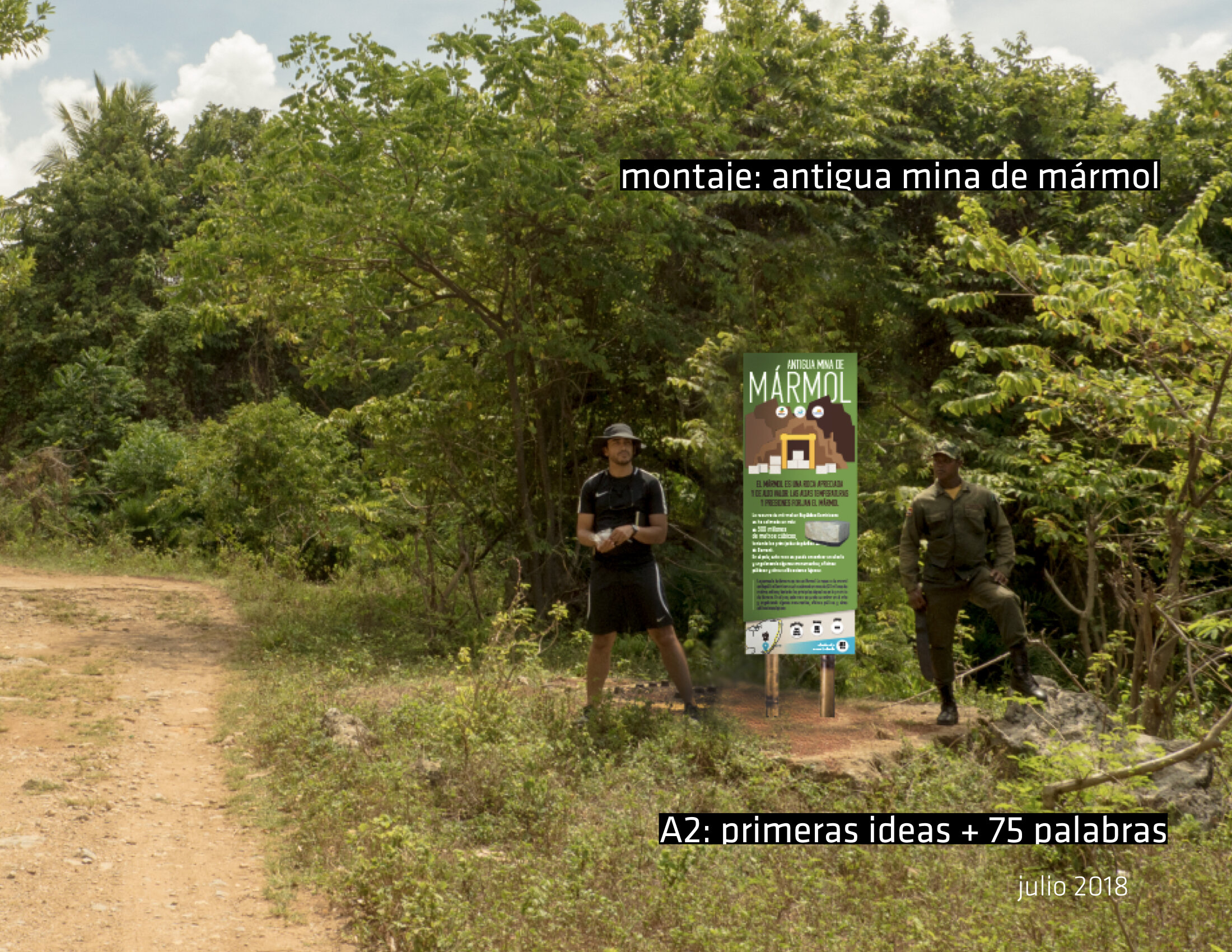
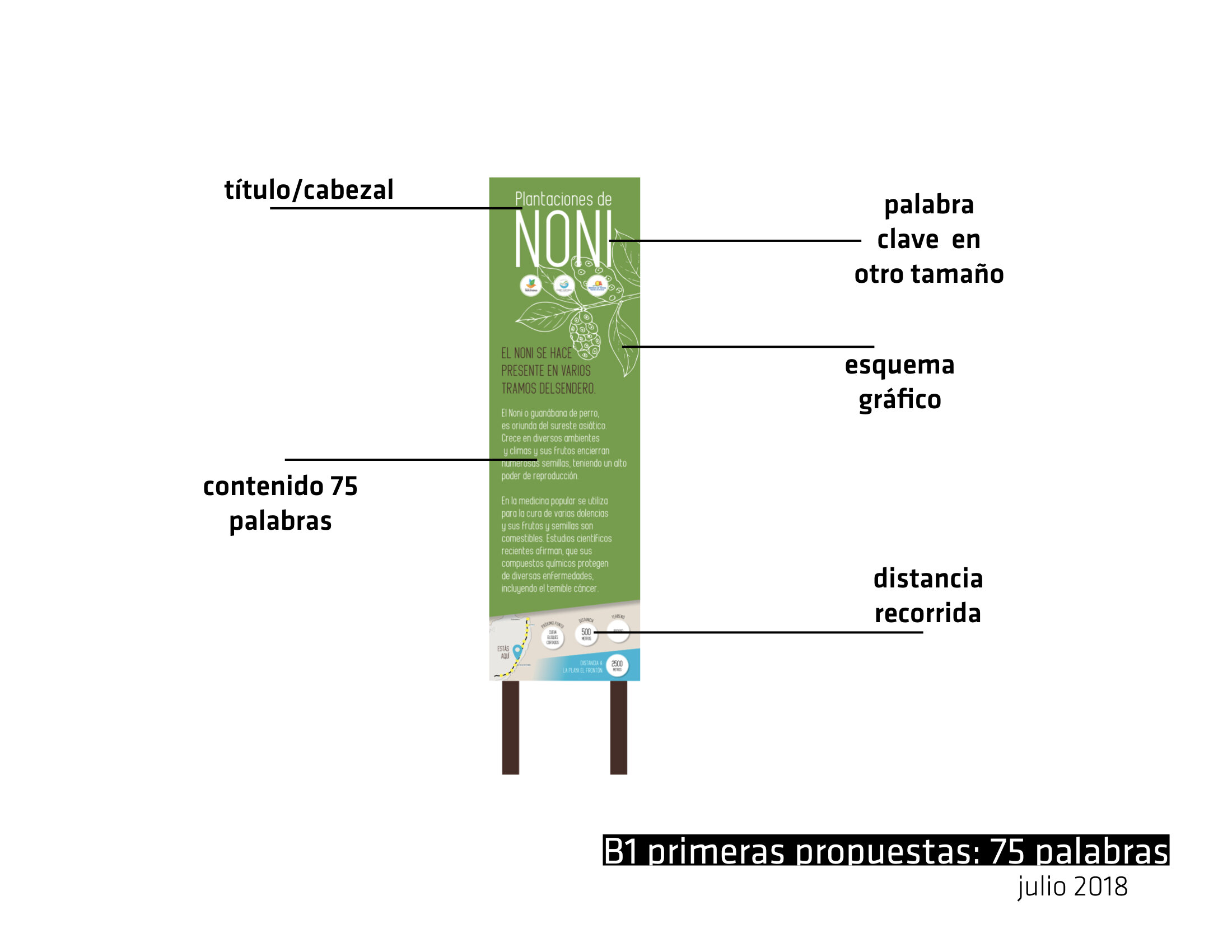
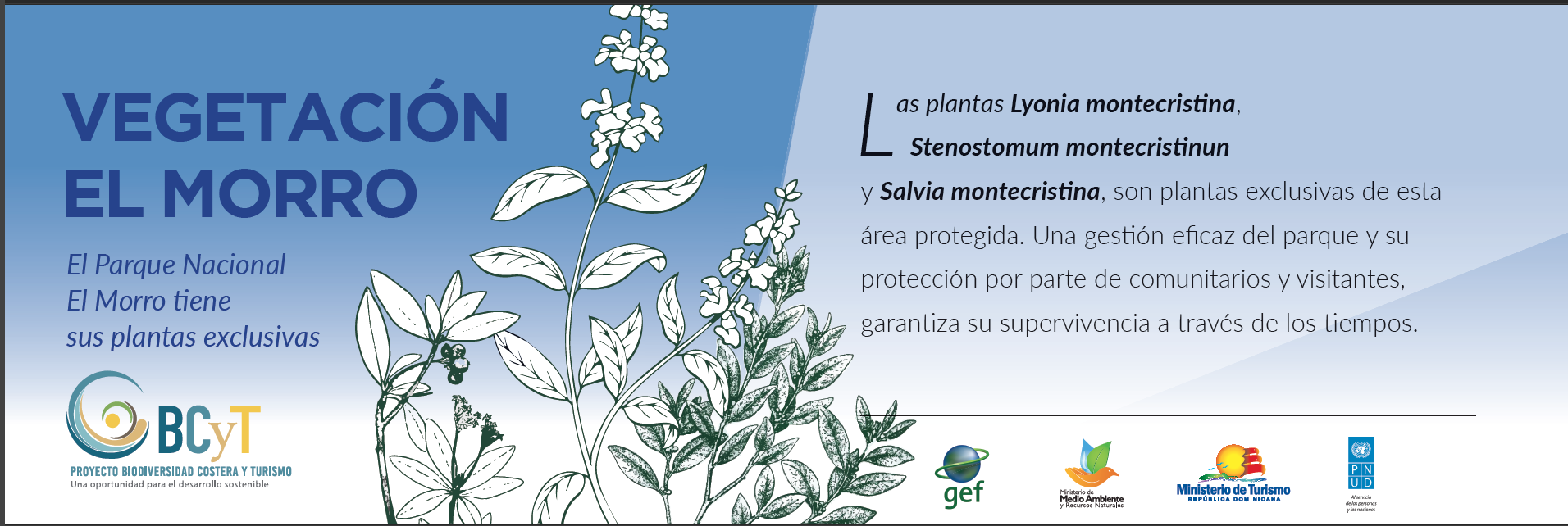
Signals Design - Cabo Samaná + Sendero de las Cruces en el Morro de Montecristy
Diseño y conceptualización Oliver Olivo. Diseño gráfico Víctor Vidal.
Cabo Samaná
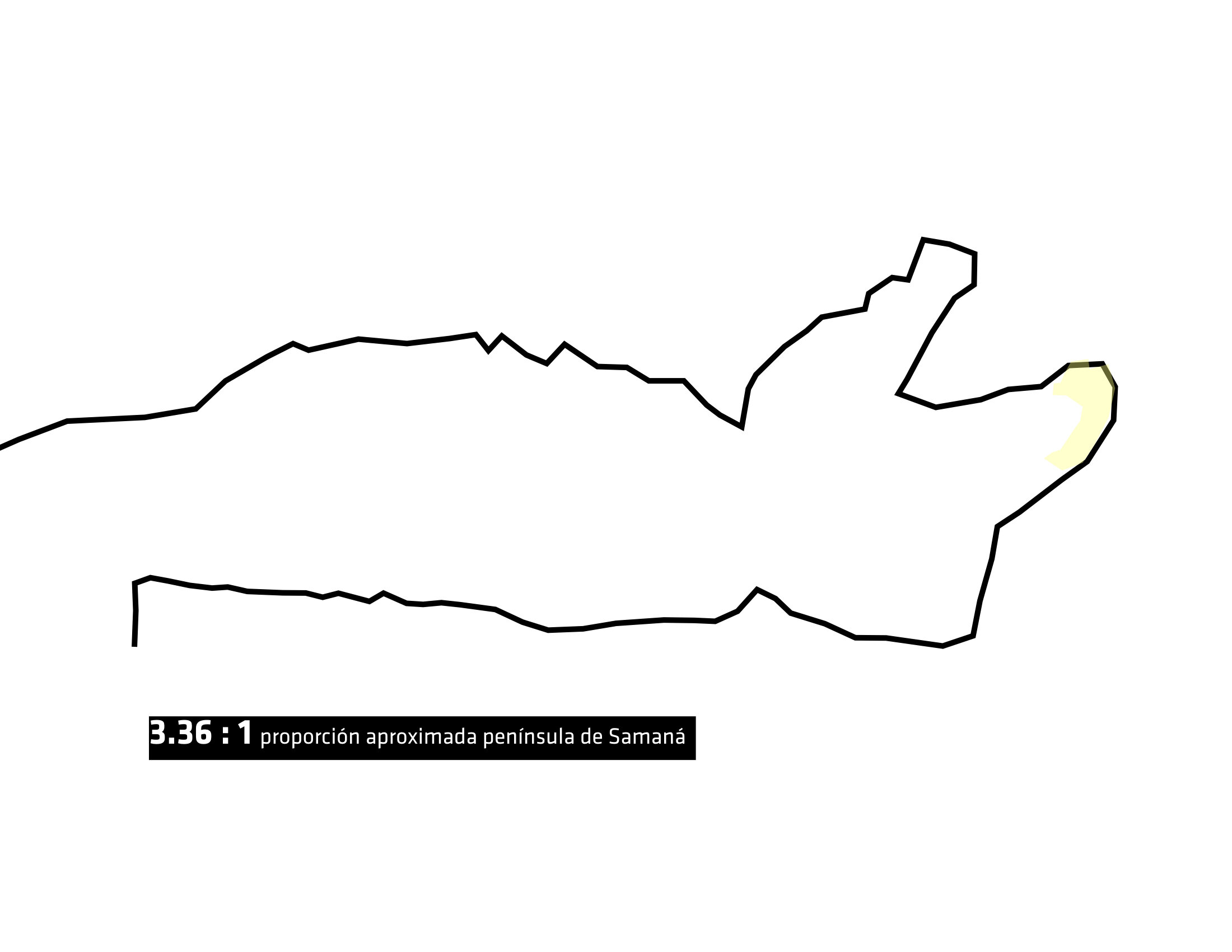
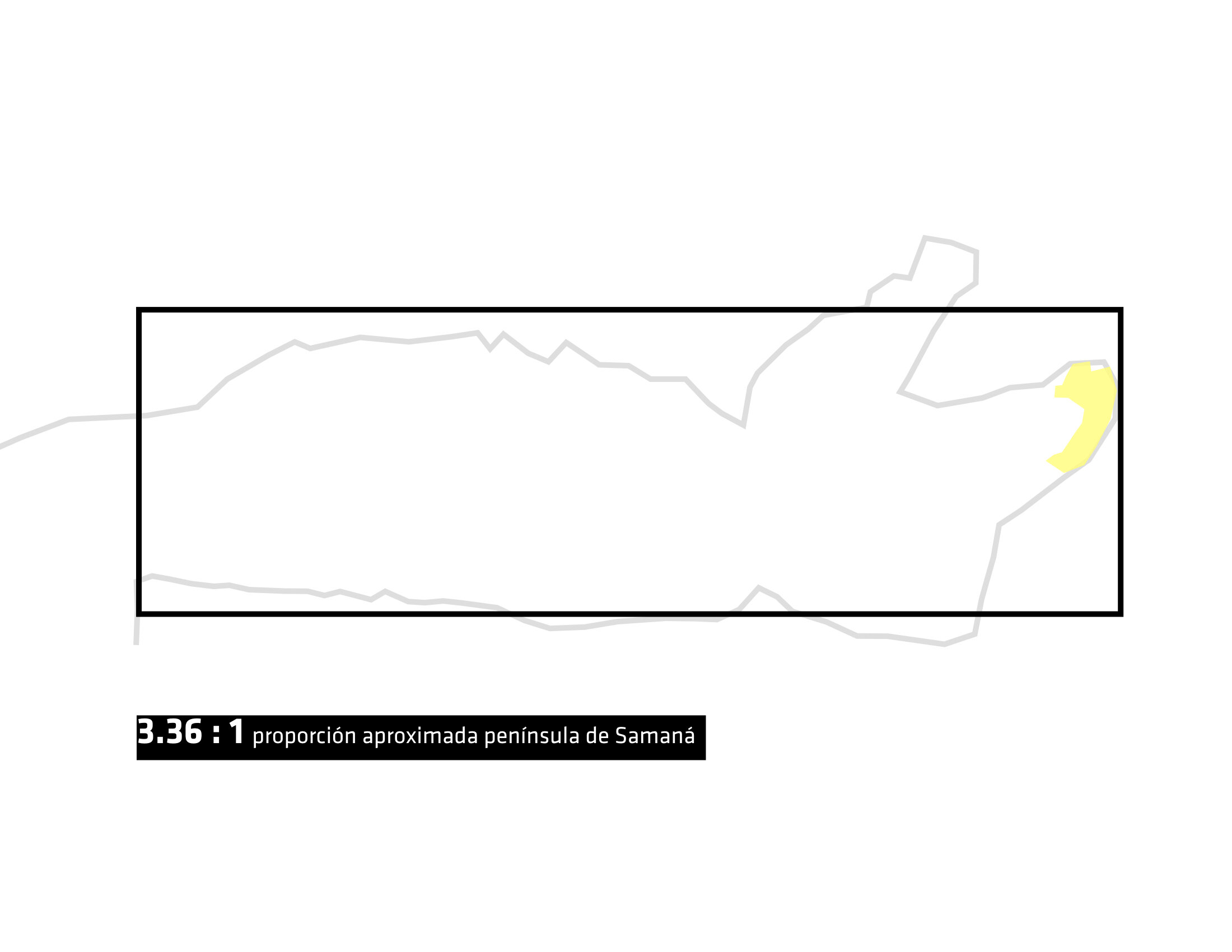
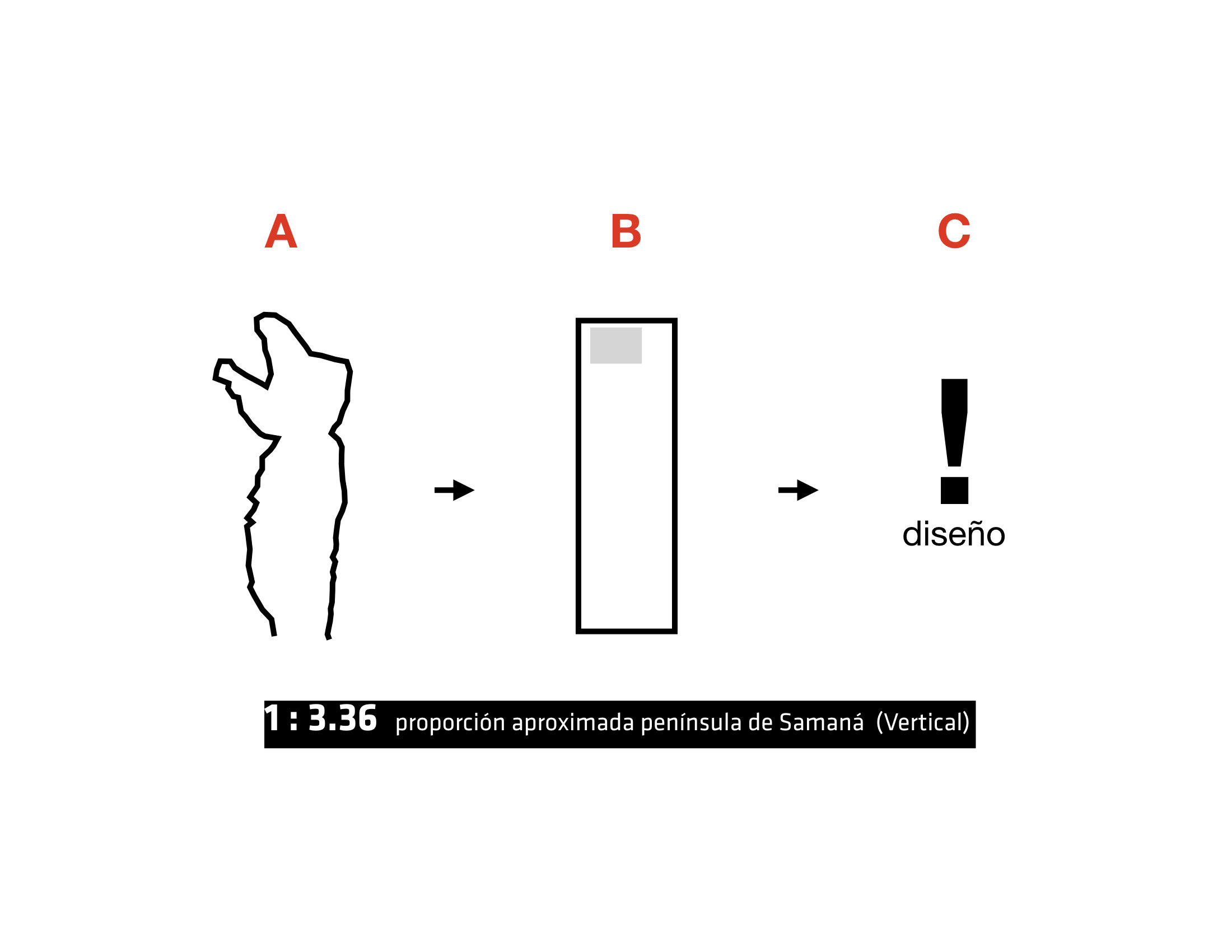
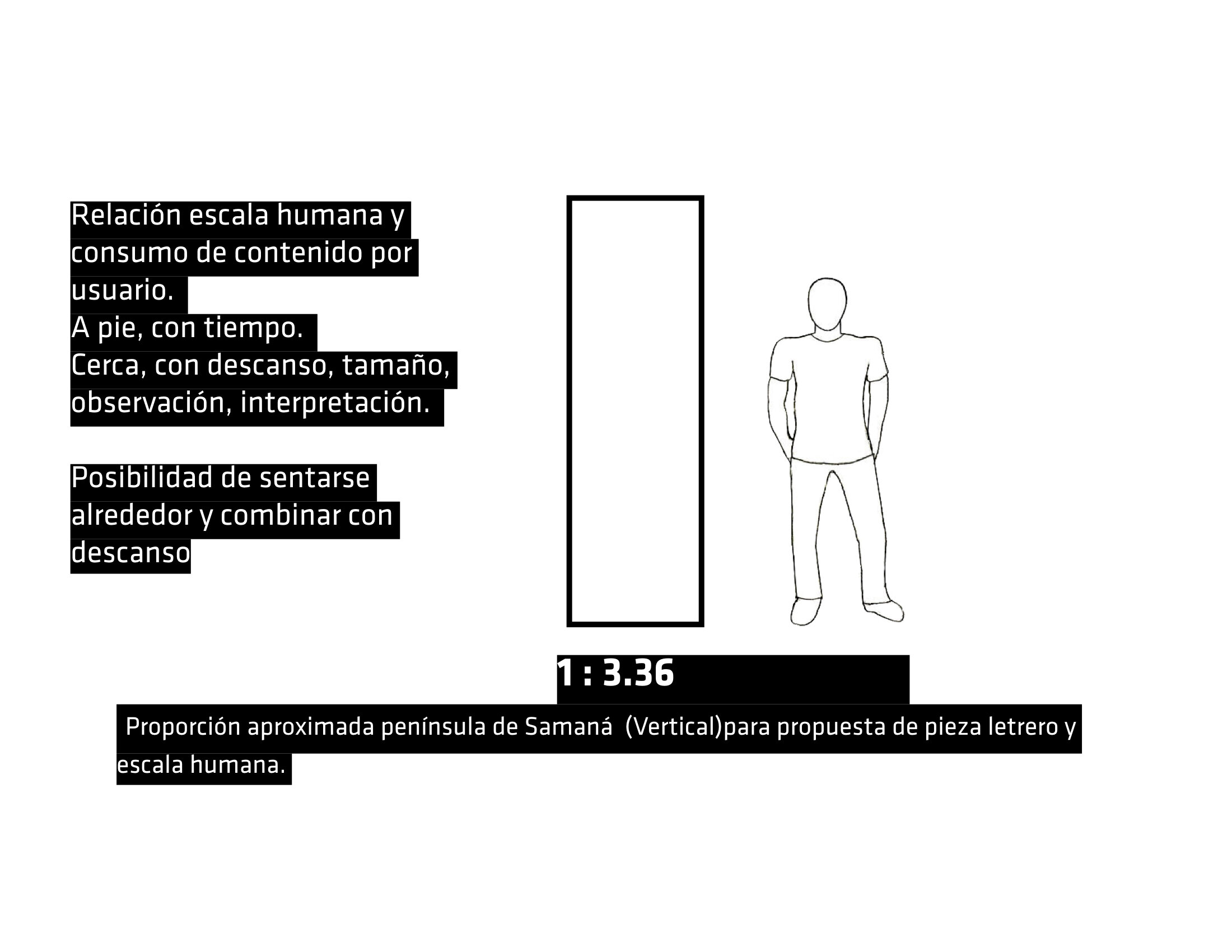
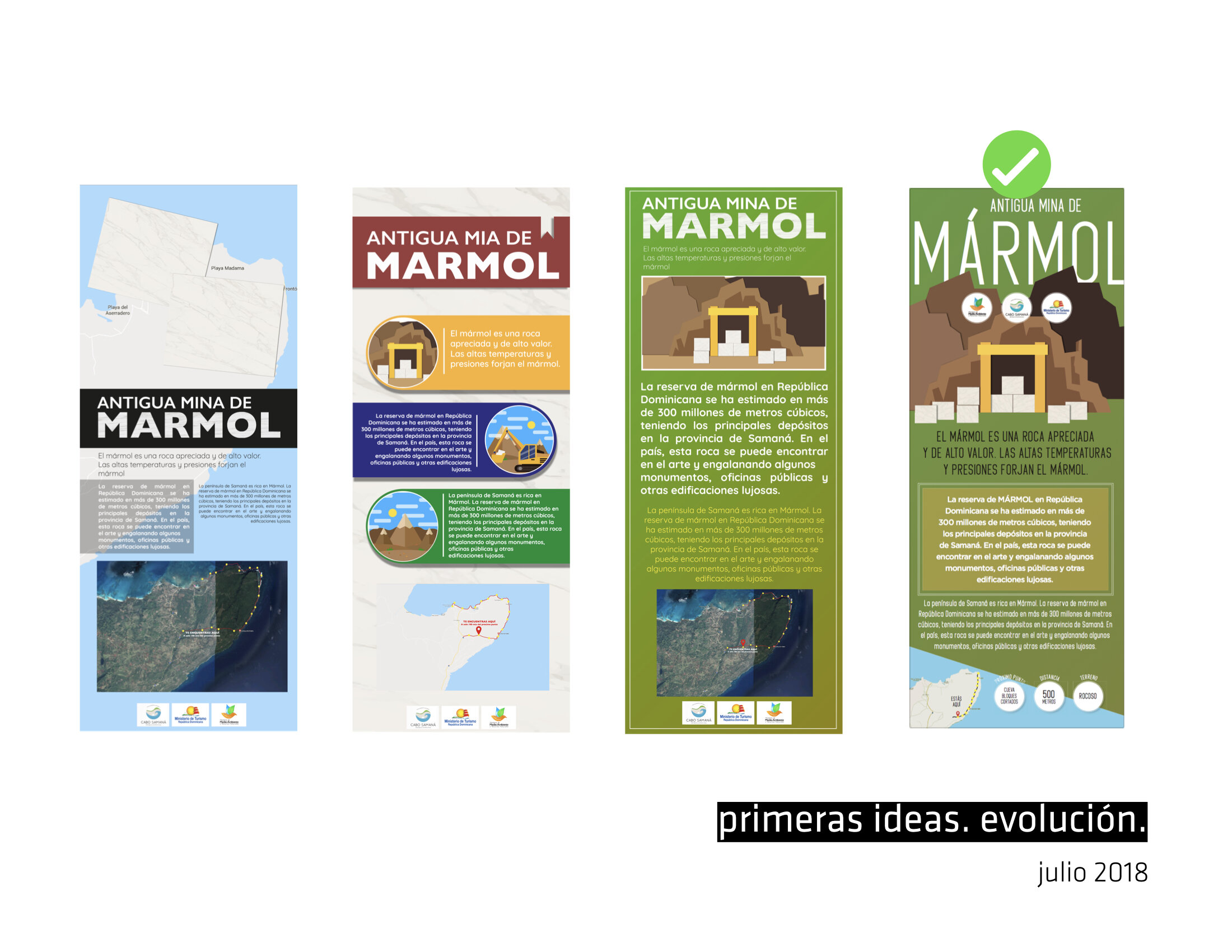
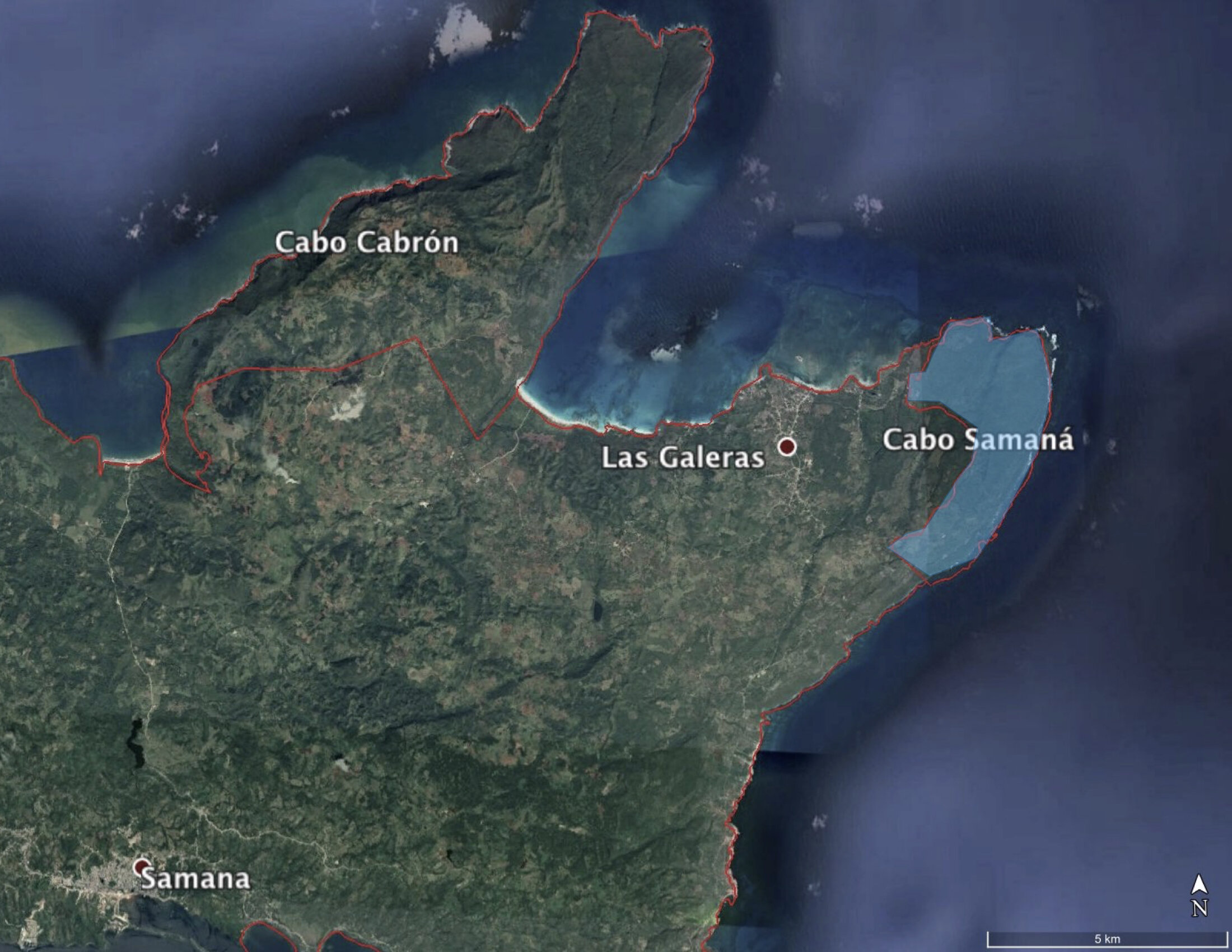
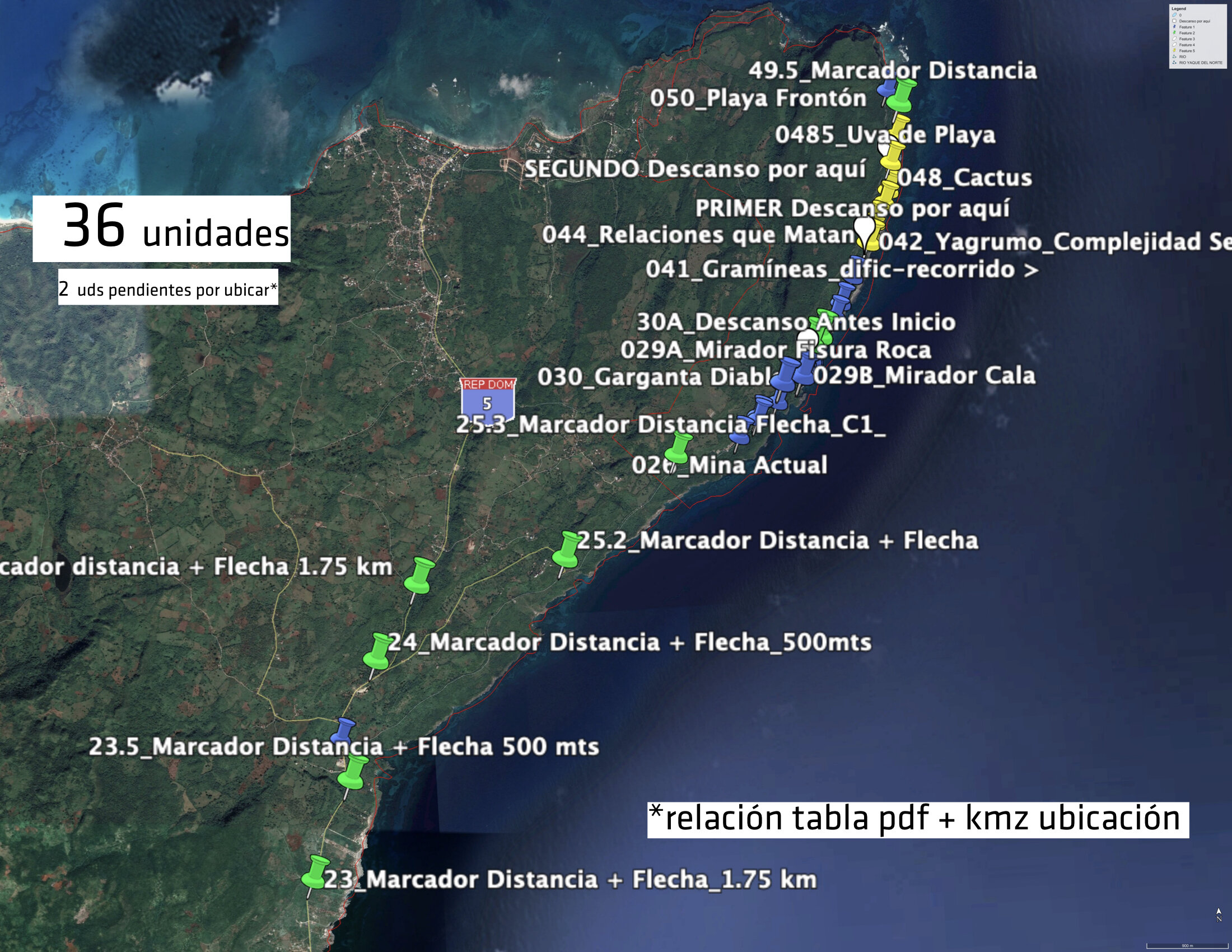
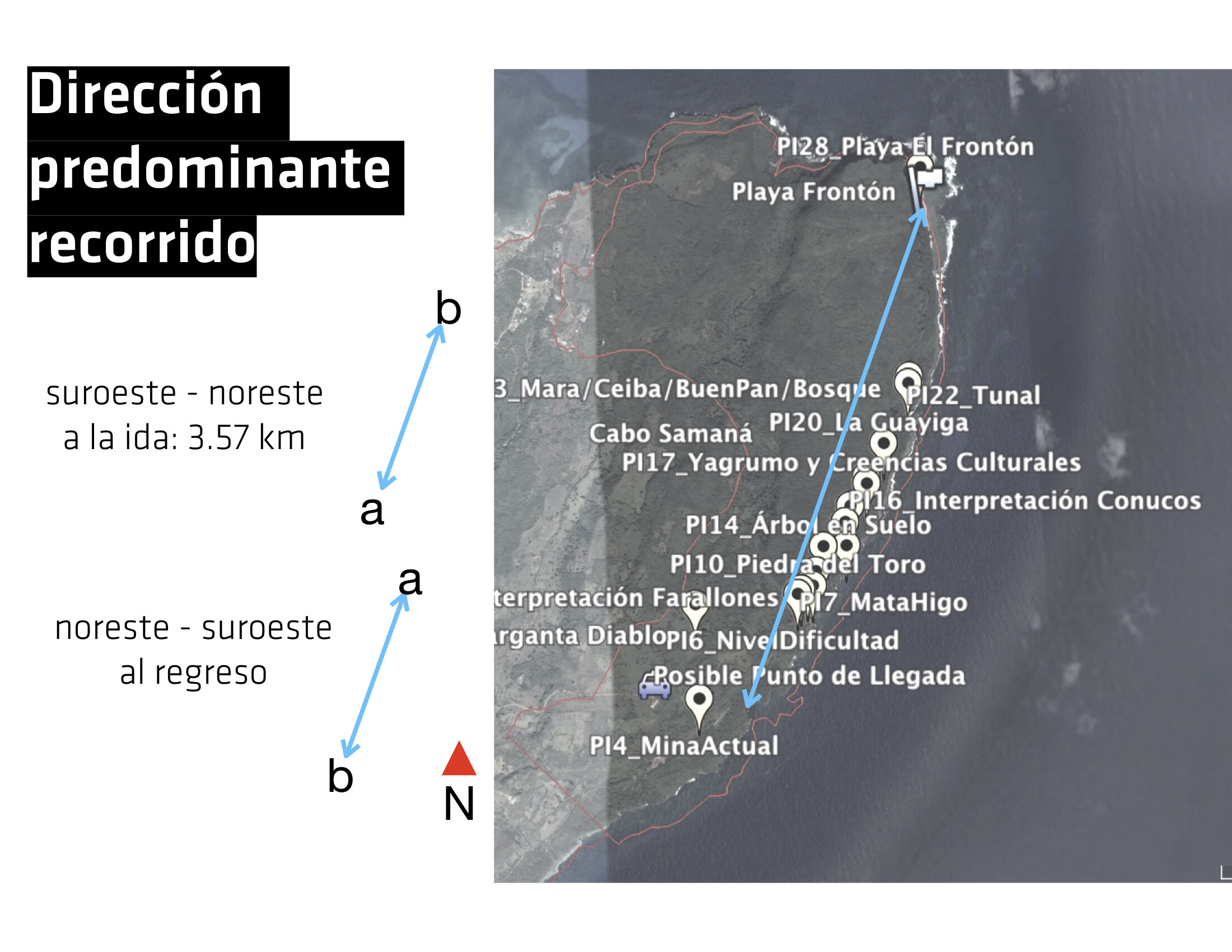
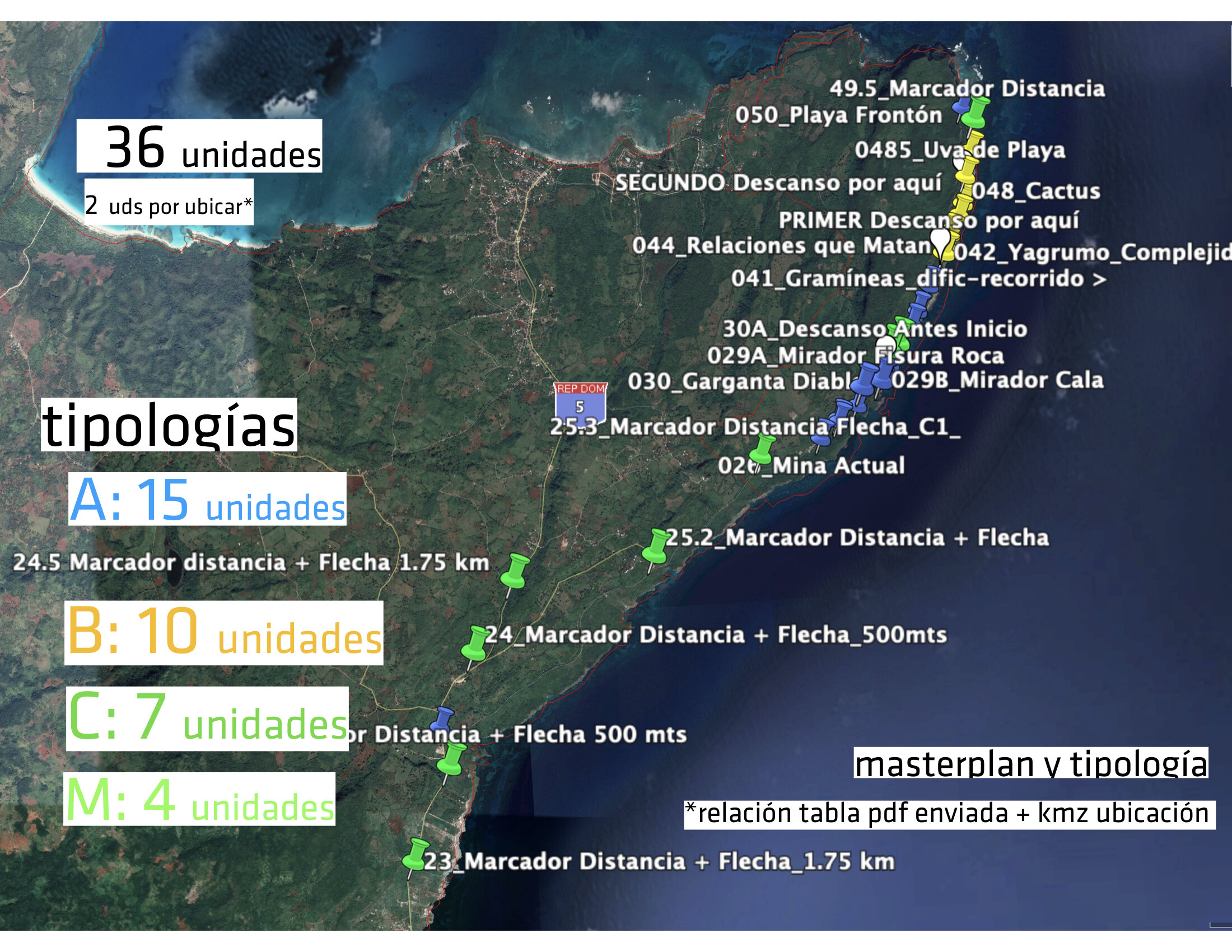
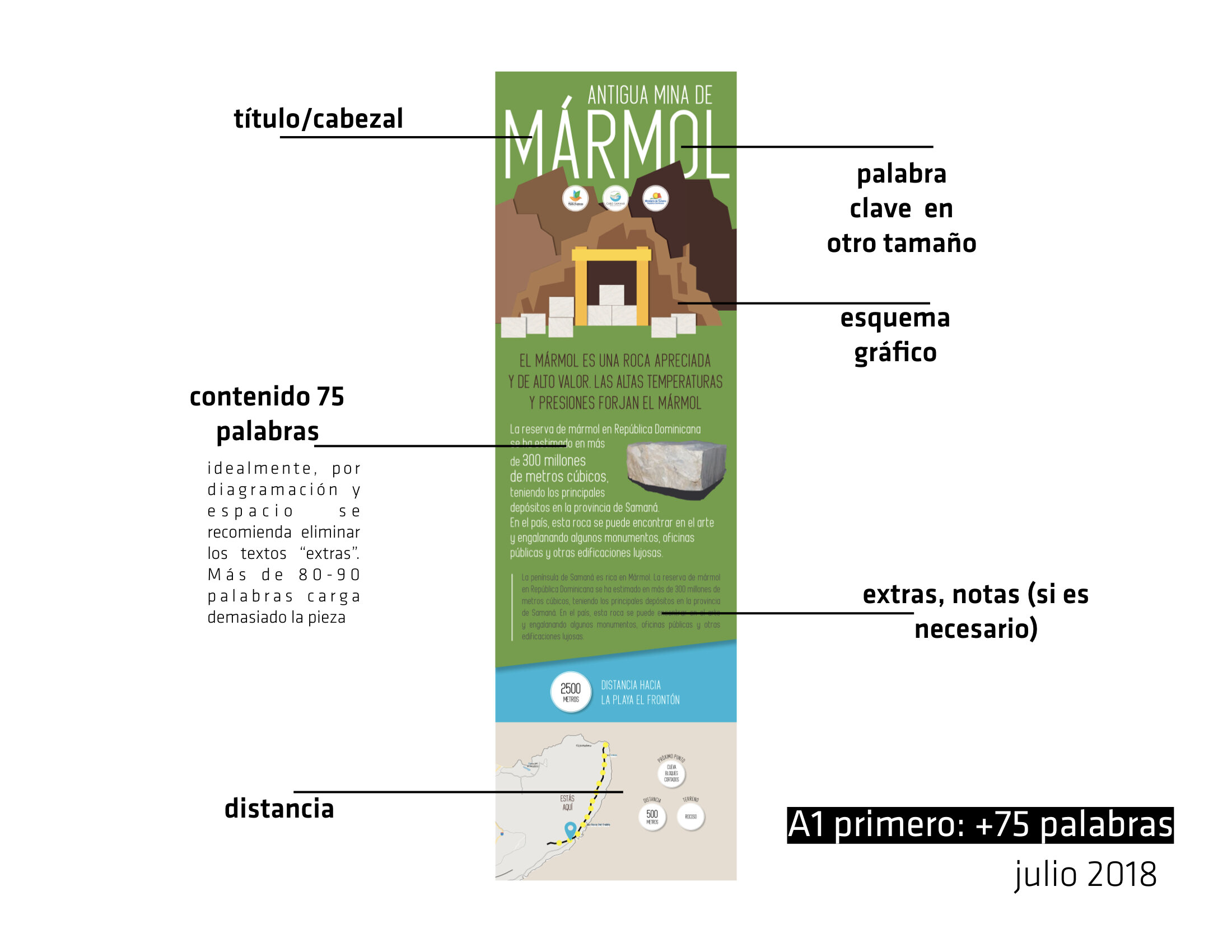
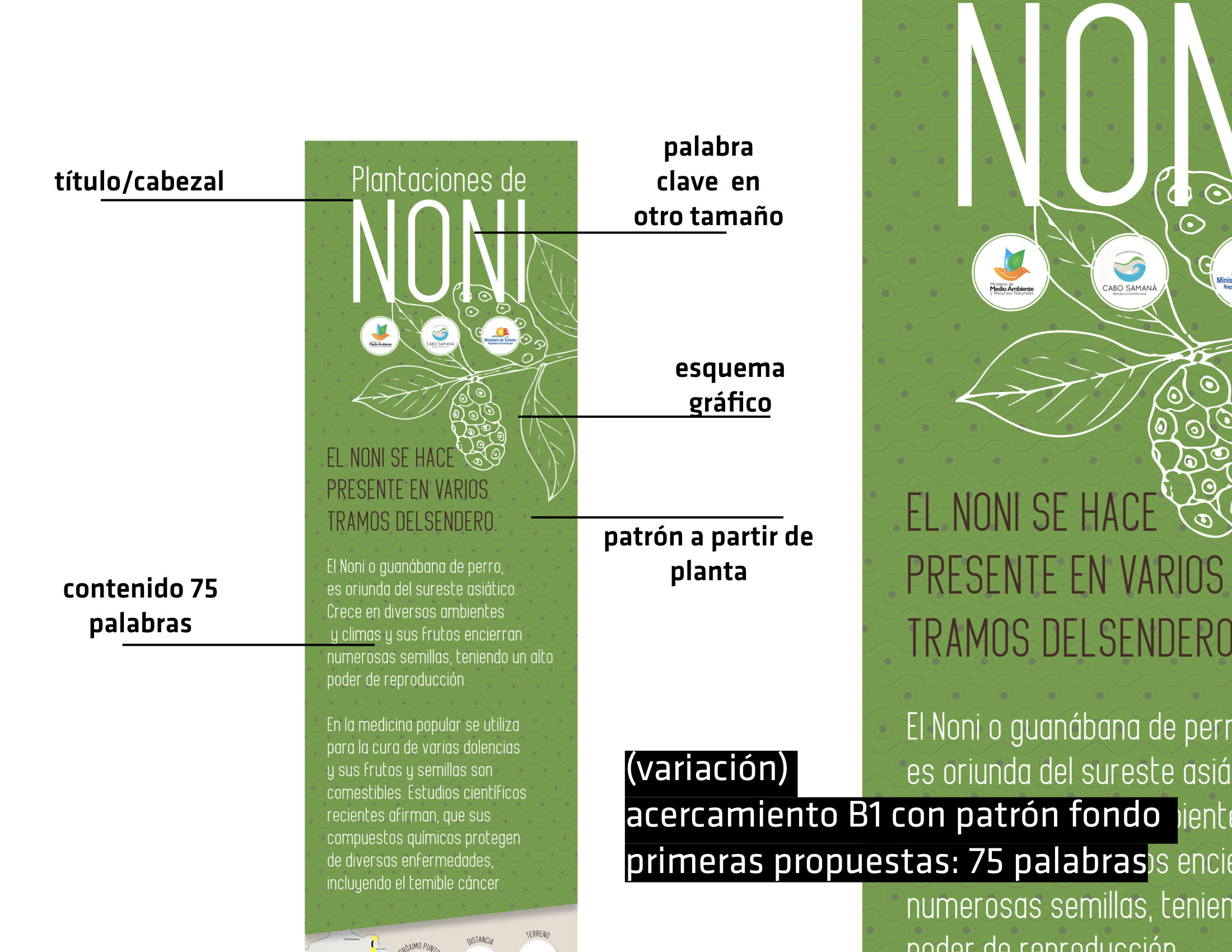
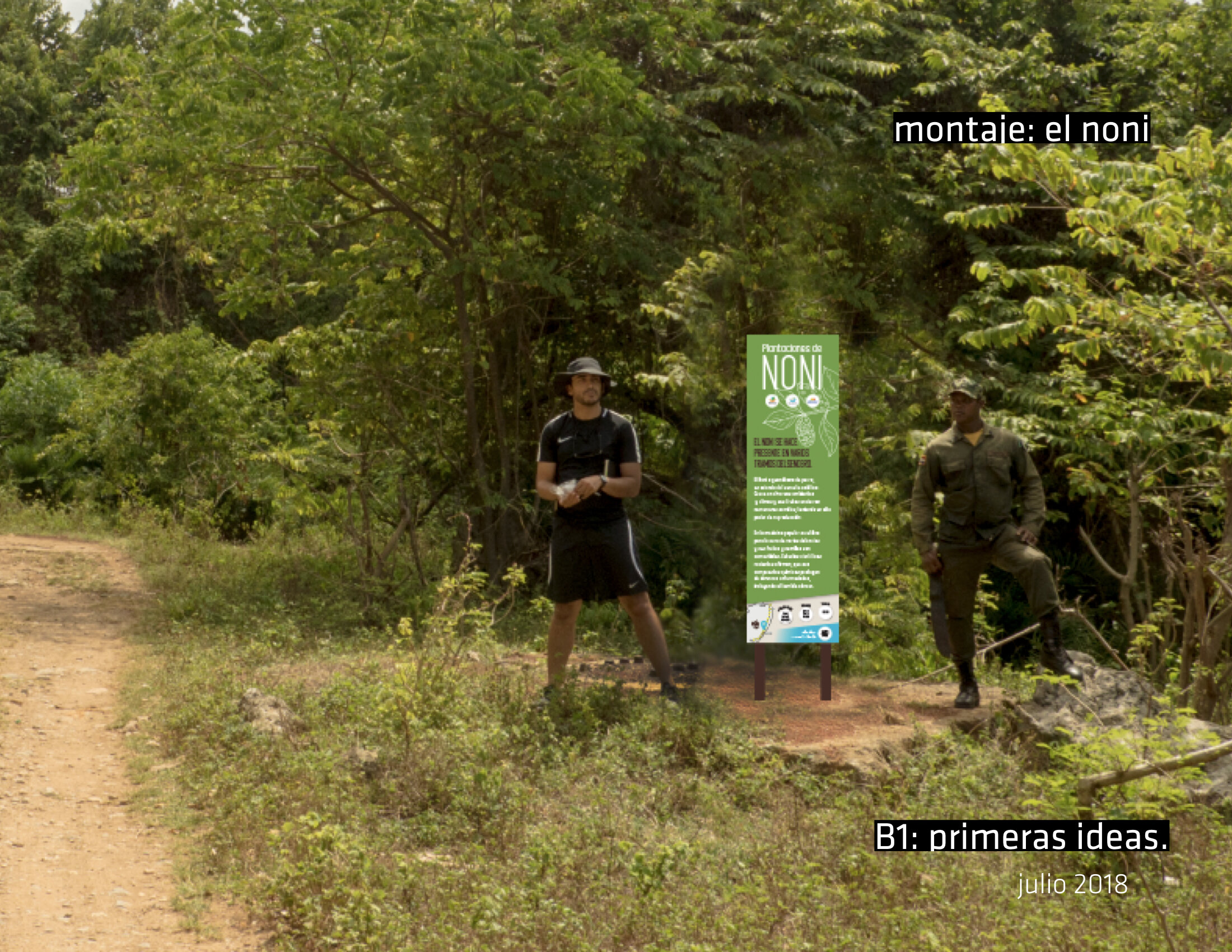
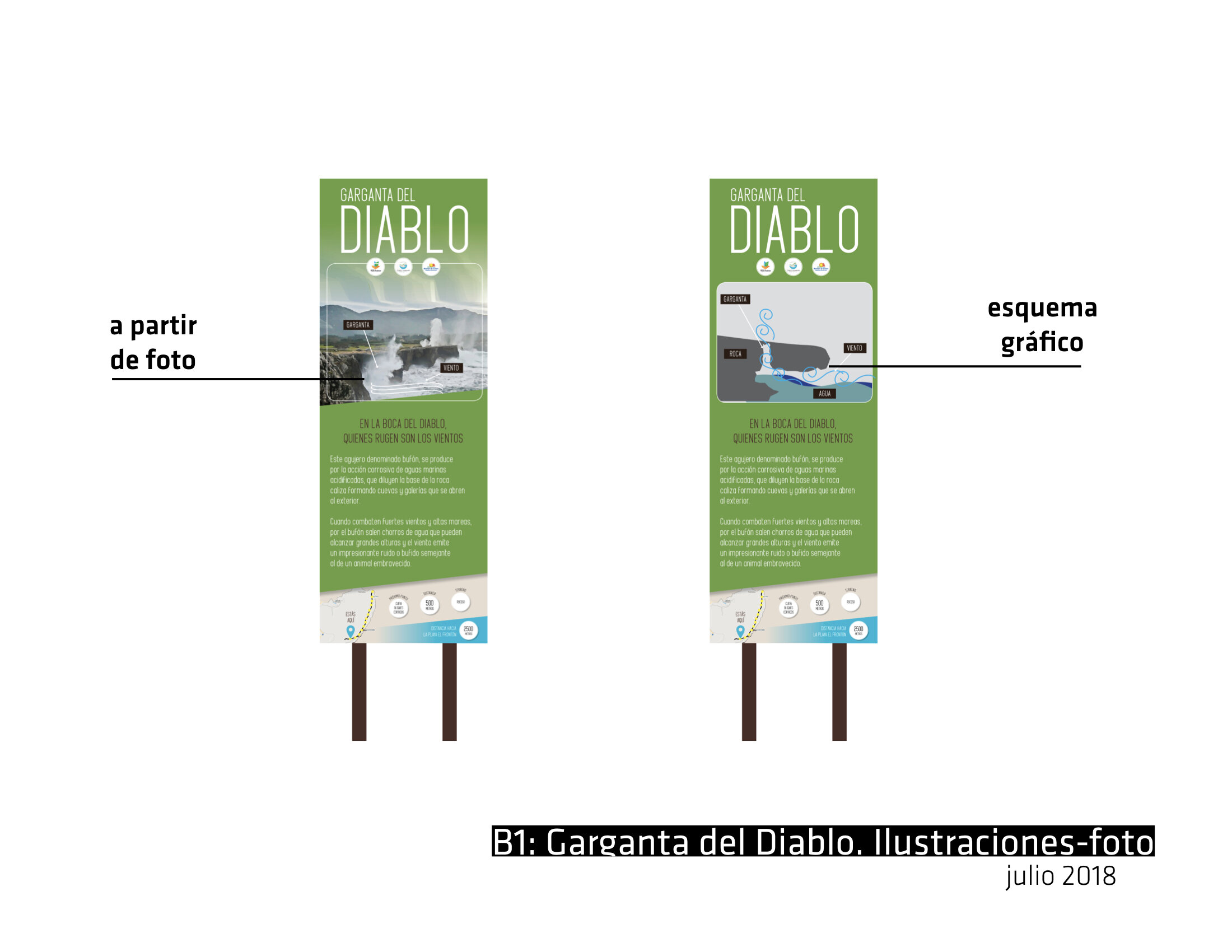
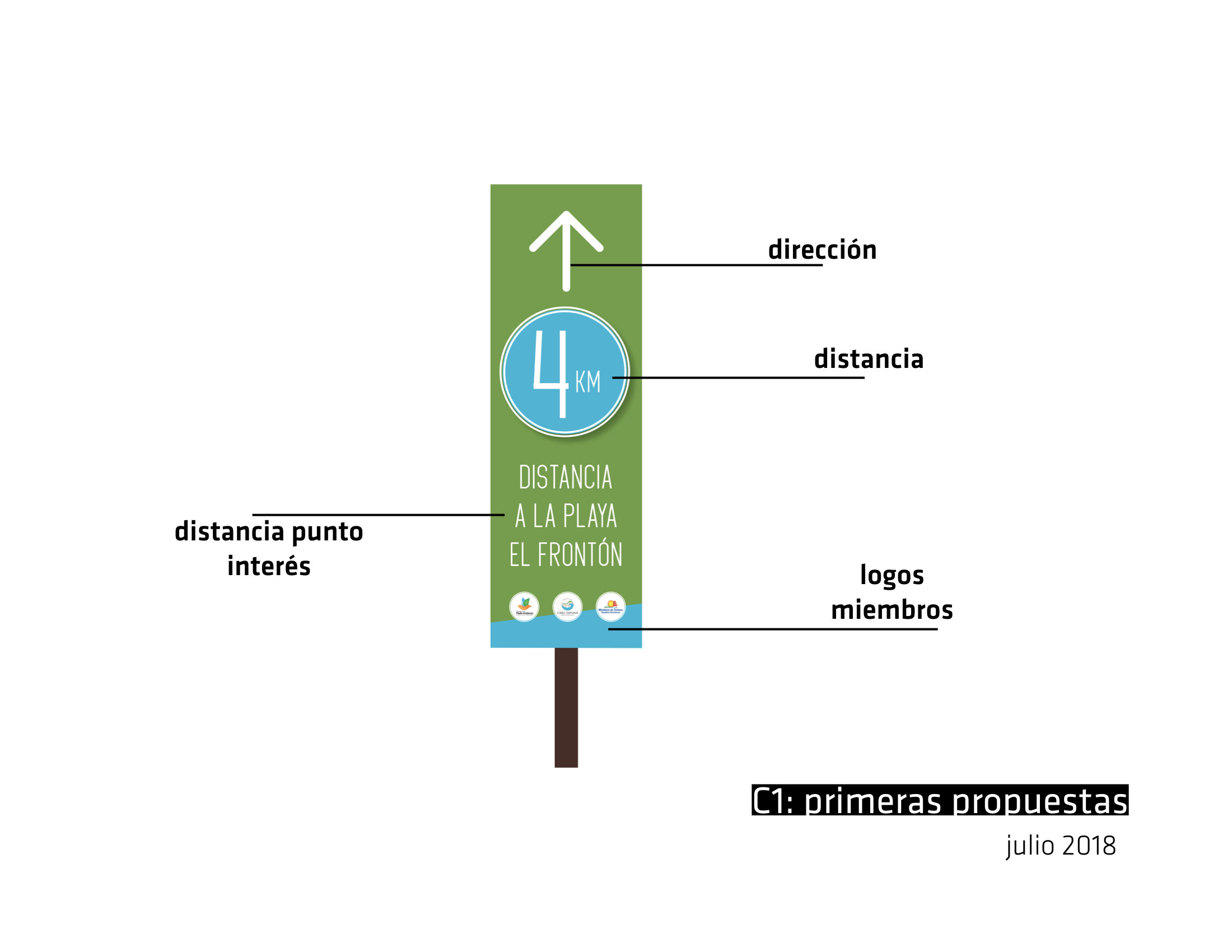


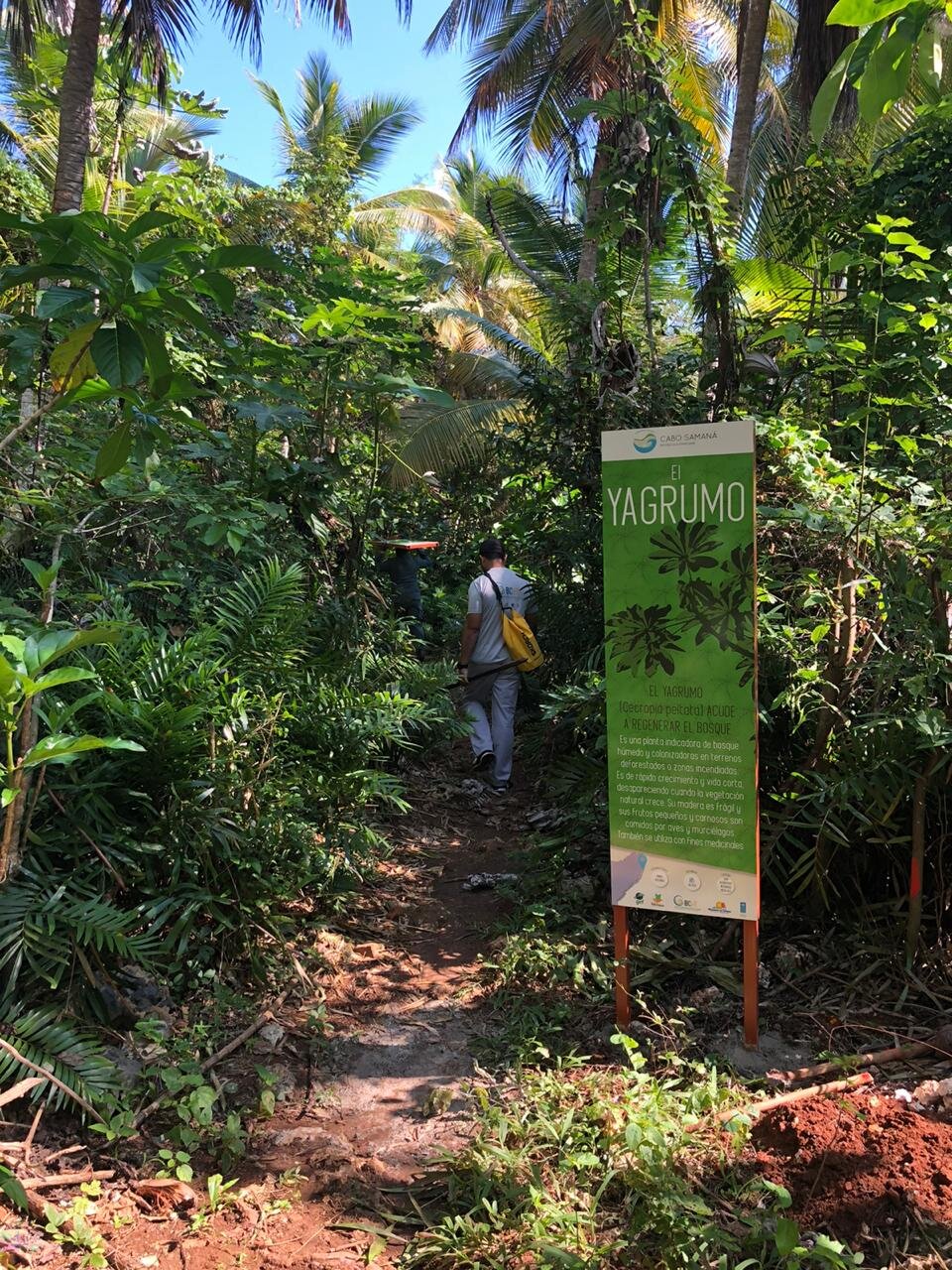
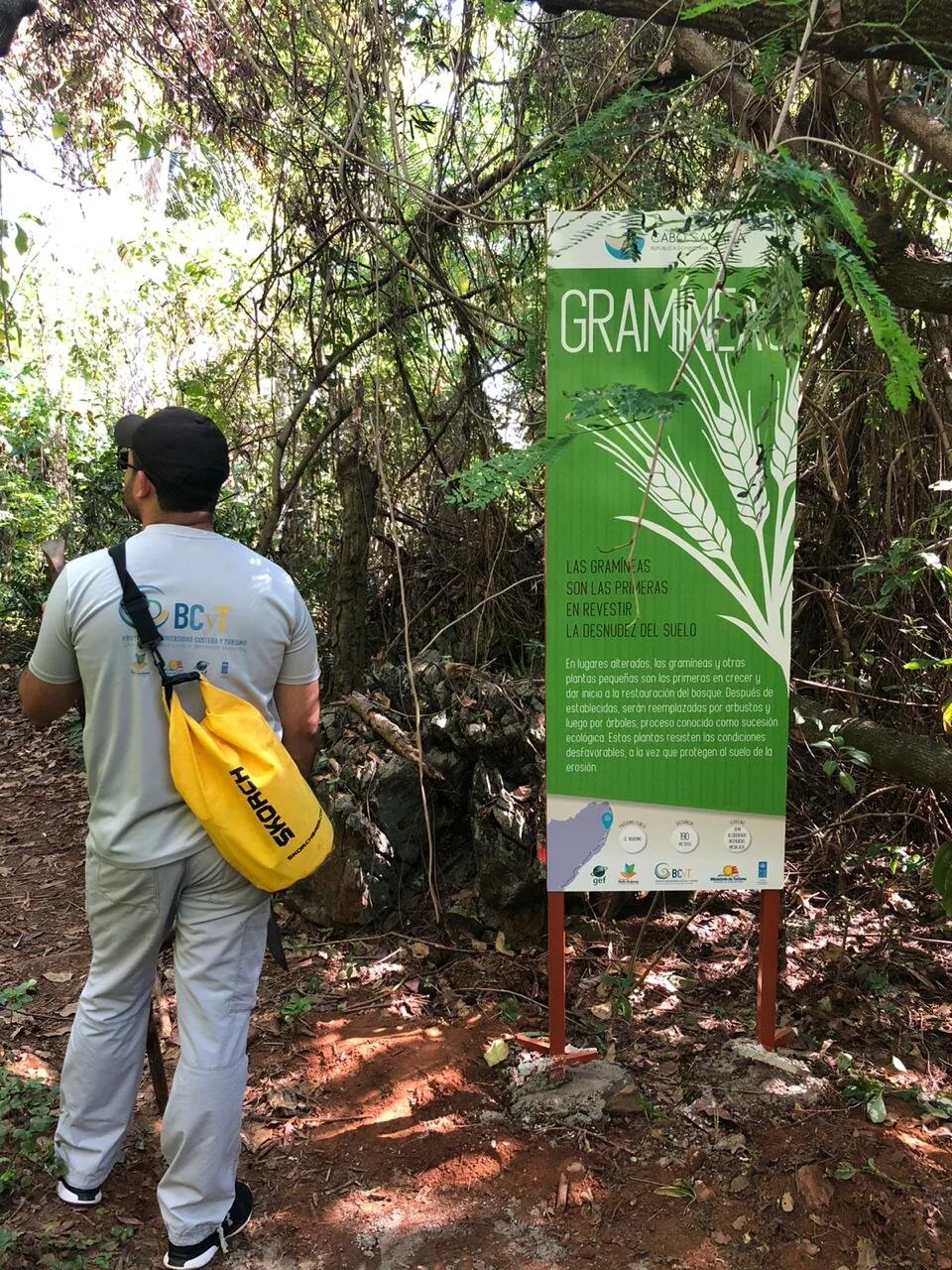
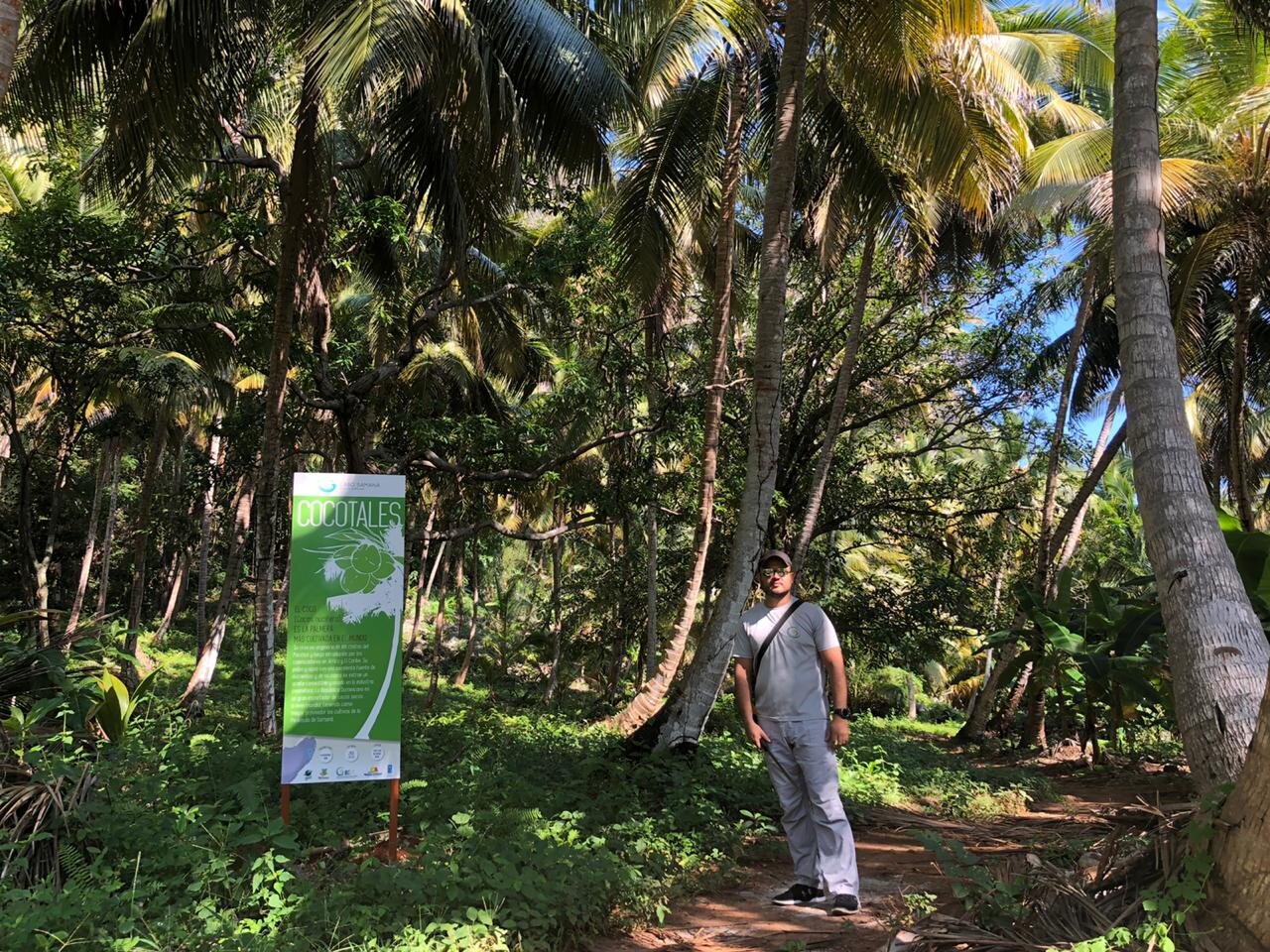
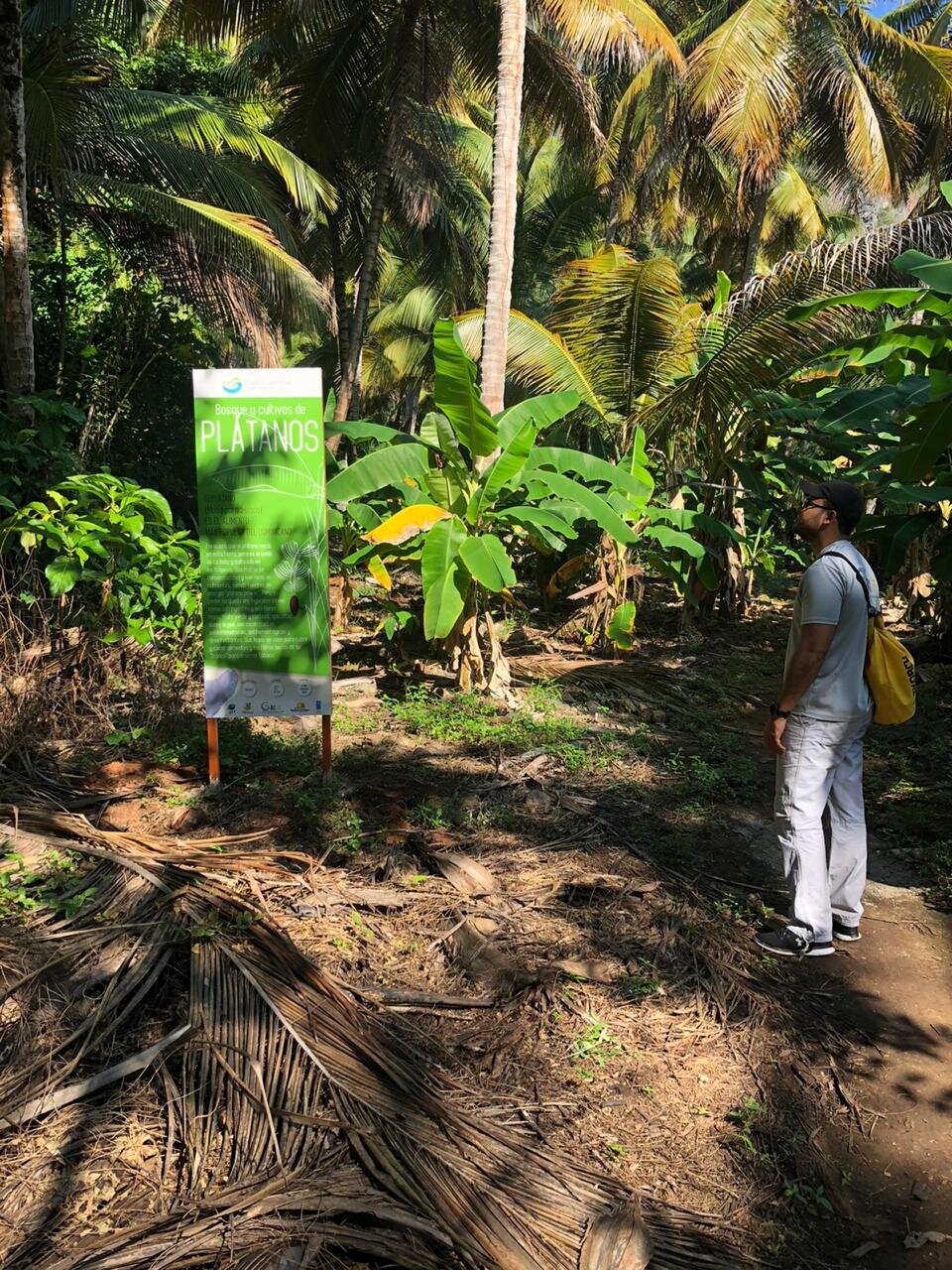
Sendero de las Cruces.
El Morro, Montecristy.








Academia: film and the city
Study with our Design 8 students from School of Architecture of films produced in Dominican Republic and how they used exterior locations.












Scientific Publications
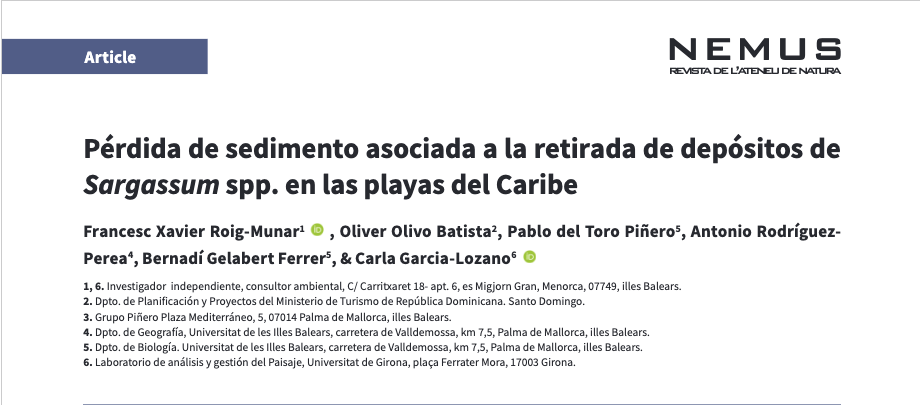
2022
La retirada de restos vegetales de Sargassum spp. depositados sobre la playa emergida constituyen una parte dela limpieza de playas en el Caribe. Estas gestiones realizadas a lo largo de las últimas décadas han dado lugar ala pérdida de superficies y volúmenes de playa y dunas. El estudio analiza los volúmenes de sedimento retiradosmediante la limpieza deSargassum spp. en 12 playas de México y República Dominicana, cuantificando el volumentotal en 18.987,3 m3, con un 61,23 % de sedimento intercalado, equivalente a 9.872,36 T de arena. Este tipo de ges-tión supone un impacto geomorfológico continuo con una importante pérdida de sedimento anual que afecta a laestabilidad del balance sedimentario del sistema playa.
Palabras clave: Caribe, Sargassum spp., limpieza de playas, erosión.
Loss of sediment associated with the removal of deposits of Sargassum spp. on thebeaches of the CaribbeanPart of the cleaning of beaches in the Caribbean islands involves the removal of Sargassum spp. that remainsdeposited on the emerged beach and dunes. The study analyses the volumes of sediment removed with the Sar-gassum spp. at 12 beaches in México and the Dominican Republic, quantifying the volume of material removedat 18,987.3 m3, of which an estimated 61.23 % (or 9,872.36 T) was sand. This kind of management involves a conti-nuous geomorphological impact with an important loss of sediment that affects the stability of the sedimentary balance of the beach system.
Keywords: Caribbean, Sargassum spp., beach cleaning, erosion
(PDF) Pérdida de sedimento asociada a la retirada de depósitos de Sargassum spp. en las playas del Caribe. Available from:

Analysis of the erosive effects of palms (Cocos nucifera L.) in the beach-dune systems of the Dominican Republic. This study examines the impact of coconut (Cocos nucifera L.) distribution on the beaches of the Dominican Republic and its relationship with coastal erosion and beach-dune system dynamics.A total of 31 beach-dune systems were compared using 17 qualitative variables to assess the influence of palm trees planted for agricultural or touristic purposes on beach morphology, anthropic occupation, and dynamics. The results indicate that beaches with palm trees planted for touristic purposes exhibit higher compaction, slumping, and erosion, as well as lower resilience in the beach-dune system. These beaches also have a higher presence of tourist complexes, mechanical cleaning, and removal of vegetal debris, which contributes to the alteration of the beach profile and native vegetation. Palm trees can also act as wave flow accelerators, exacerbating sediment loss and increasing the risk of the palms themselves falling, which entails personal risks. It is concluded that the removal of coconut palms and comprehensive beach restoration, including the recovery of dune fronts and associated vegetation, are necessary actions to improve the stability and dynamics of Dominican coasts. Furthermore, the importance of developing planning and management strategies that promote the conservation and restoration of beach-dune systems in touristic and agricultural areas is suggested.
Key words: beach, Caribbean, palm tres (Cocos nucifera L.), erosion.
Análisis de la Vulnerabilidad de las Playas del Sector Oriental de la Costa de la República Dominicana
publication dateSep 1, 2011 publication descriptionAvances en Geomorfología Litoral. VI Jornadas de Geomorfología Litoral
(publication description pages 83-86)
In the framework of a cooperation project and a technical assistance the state of conservation - management of 27 beaches in the Dominican Republic has been evaluated and, subsequently, a recovery plan has been developed. The use of 53 indicators has allowed to assess the vulnerability of sandy coastal to disturbances (both natural and anthropogenic) over a sector of the Dominican Republic coast. Once the data were collected, a cluster analysis has been performed. The analysis has allowed to group the different variables into three distinct groups, where beaches are grouped according to their vulnerability.
The first group corresponds to the most natural beaches showing lower vulnerability, the second group, includes the beaches with intermediate values of MG / IV, which are however the average, and finally a third group, which includes the beaches with the lowest values of MG / IV, all below

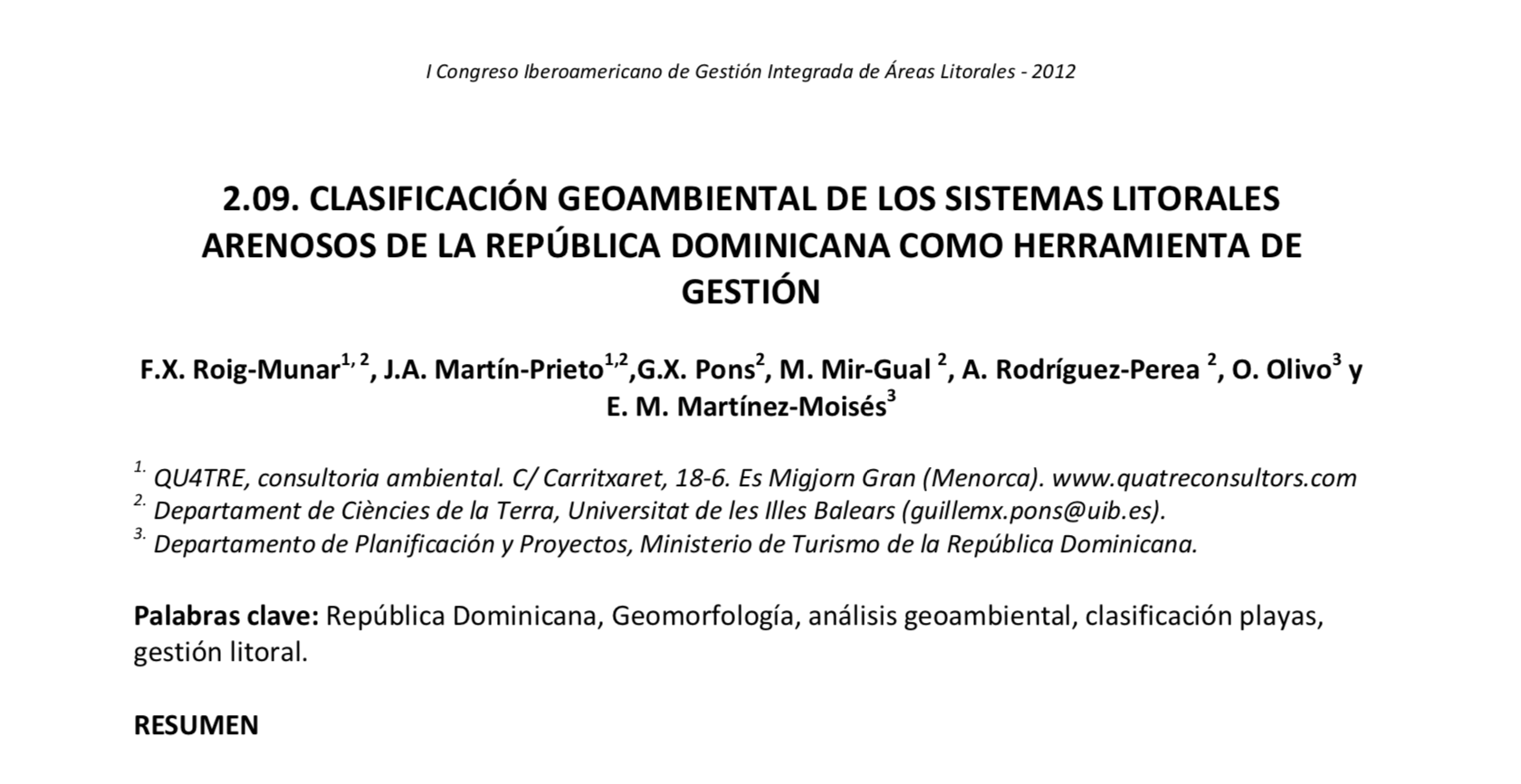
Clasificación Geoambiental de los Sistemas Litorales Arenosos de la República Dominicana como herramienta de gestión
publication date Jan 25, 2012 Congreso Iberoamericano de Gestión de Integrada de Áreas Litorales
(publication description pages 481-491)
La República Dominicana es el destino turístico insular más visitado del Caribe, recibiendo cuatro millones de visitantes al año, y siendo sus playas su principal atractivo. Este turismo genera el 37% de los ingresos totales del país, concentrado en aquellas regiones costeras que contienen amplias playas
y numerosos complejos hoteleros con una presión directa sobre los sistemas litorales. Como resultado de esta presión, los ecosistemas costeros se ven amenazados por el desarrollo turístico sostenible. Uno de los principales obstáculos para una mejor gestión litoral es la falta de conocimiento sobre estos ecosistemas litorales. Una gestión eficaz depende de la disponibilidad de información que pueda evaluar objetivamente estos ecosistemas con una monitorización geoambiental de indicadores de sostenibilidad como herramienta útil para el desarrollo de un modelo de gestión basado en criterios geoambientales, sociales, económicos y paisajísticos.
Publication here
Environmental Analysis and Classification of Coastal Sandy Systems of the Dominican Republic
Abstract:
The Dominican Republic is the most visited insular tourist destination in the Caribbean, being its beaches its main attractiveness. This tourism generates 37% of the total revenues of the country, concentrated in coastal regions. As a result of this pressure, the coastal ecosystems are threatened by the increasing tourist development. Parameters such as site and dune morphology, beach condition, surface character of the seaward 200 m of the dune, pressure of use and recent protection measures make good regional comparison of beach-dune systems. A checklist was developed to calculate Vulnerability Index (VI) and Management Measures (MM) in 99 beach-dune systems of Dominican Republic allowing to identify and prioritize the different pressures. This method of study, associated with Geographical Information Systems (GIS), give more visibility to beach-dunes conditions, and by this facilitate the necessary decisions in the context of a sustainable management of coastal areas. The results indicate that the risk of beach erosion and degradation is directly related to the pressure of use of the coastal area.
Publication here
Academics: Instructor on Masters in Architecture (Module) (2013)


Maestría Arquitectura Sostenible.
Universidad Iberoamericana - UNIBE. Santo Domingo
Marzo-Abril 2013
Durante la clase de Seminarios de Territorios Sostenibles junto con mis estudiantes elaboramos un estudio comparativo de varias tipologías turísticas de la República Dominicana con el objetivo de observar las diferencias en temas de sostenibilidad y consumo de cada tipología.
Academics: Design Workshop 8 Professor
The following work was presented by my undergrad students in the School of Architecture PUCMM Santo Domingo from 2009 to 2016
Tourism in Dominican Republic Timeline

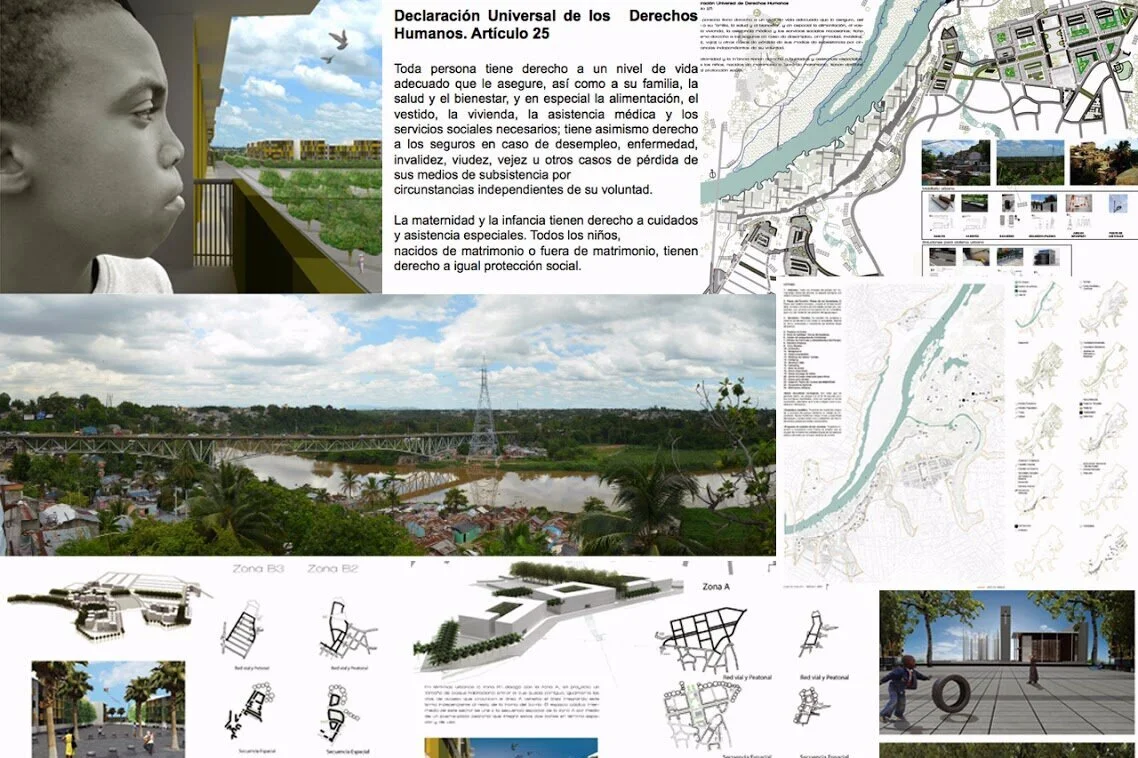
Architecture Competition: La Barquita (2013)

July 2013. Santo Domingo.
Head Architects
Andres "Yuyo" Sánchez
Cesar F. Curiel D.
Emilio Martínez.
Team:
Ysel Jáquez-Aleshiang Ben-Andres Sánchez-Cesar A. Curiel-Emilio Olivo Batista-
Oliver Olivo Batista-Lowel Whipple-Clara Portela-Alejandra Ordehi-Elio Fernández-
Indiana Montás-Laura Martínez-Dilia Lahoz-Mariel Ciprián-Juan Raul Ruiz-Mariel Demorizi
Portfolio 2004-2013
Other Works, Projects and Collaborations 2004-2013
Page by page Slideshow Below. Description of every project at the bottom of the page. Fullscreen available.


Architecture School Thesis Panels (partial) - (2007)
Karina Peña & Oliver Olivo
with Thesis Advisor Eduardo Sánchez