

Reclaiming Lost Paradise - Feature Doc (in Development)
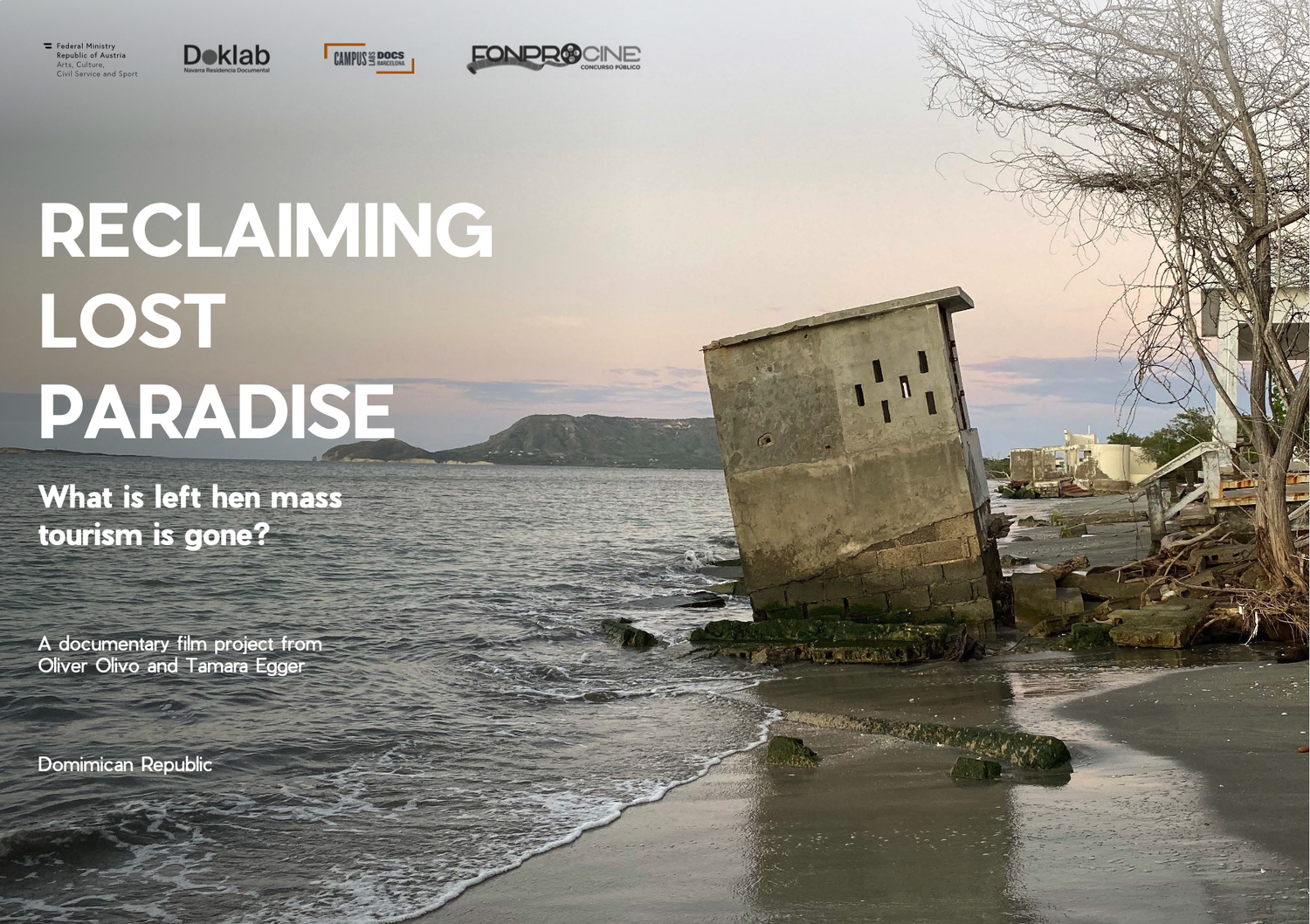
Tamara Egger & Oliver Olivo, Authors.
In the shadows of the Dominican Republic's monstrous tourism resort walls, three locals—a fisherman, a housekeeper, and a former hotel maid—struggle to reclaim their lost paradises, their enduring ghosts haunting the landscapes overtaken by mass tourism.
Los Pasos del Tiempo - Feature Documentary (2025)
For Distribution Inquiries / Pour les demandes de distribution
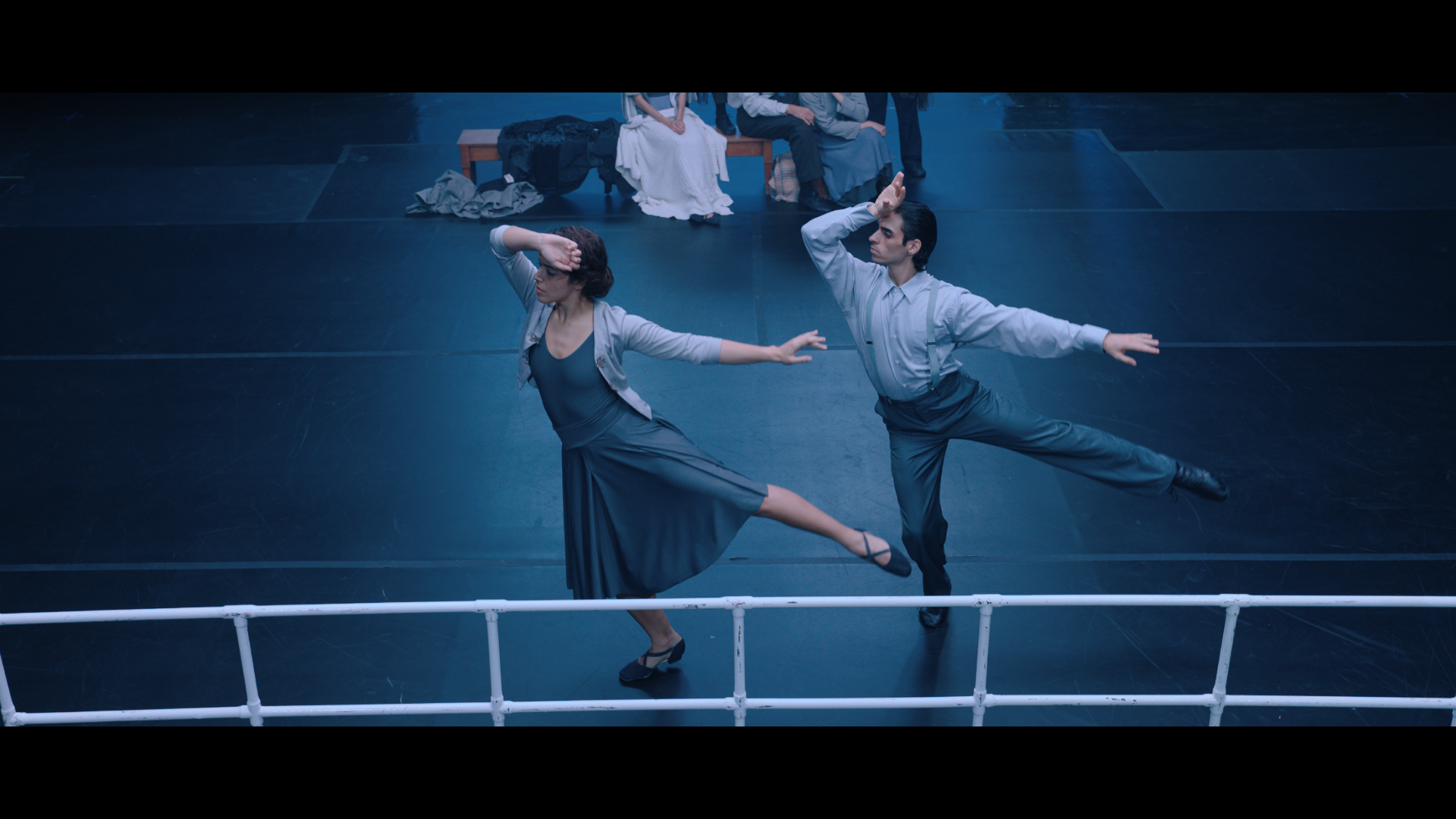
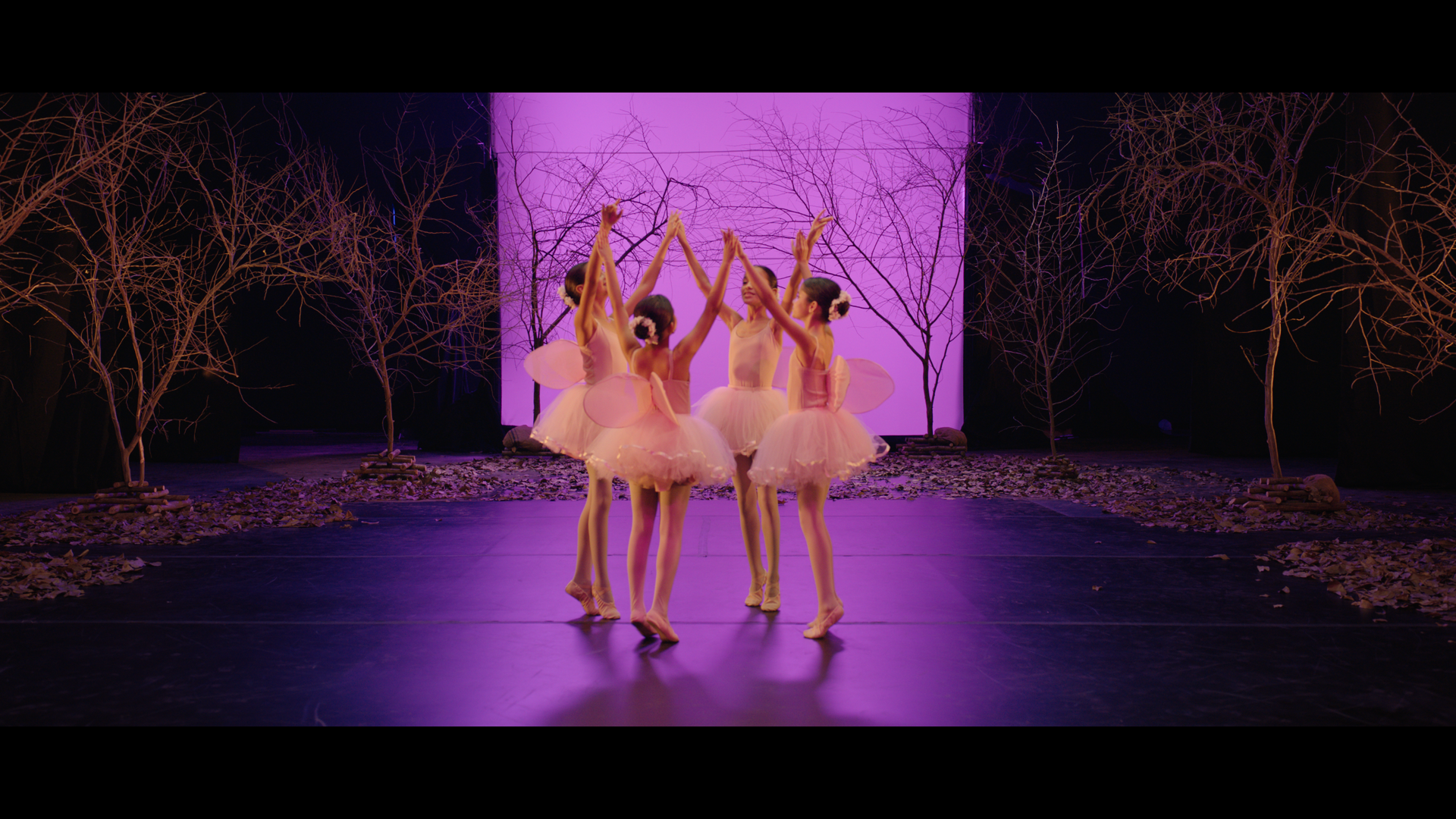
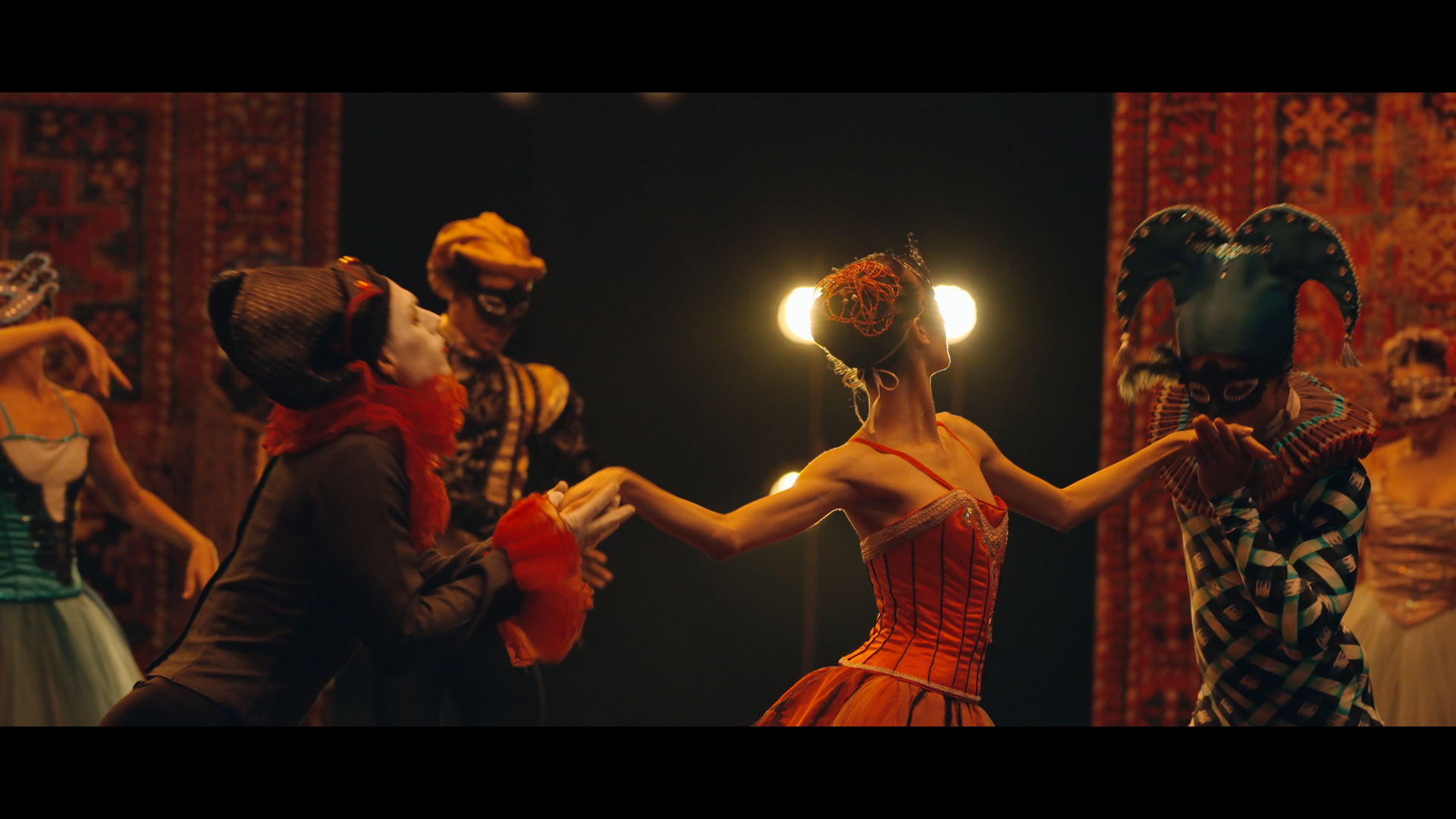
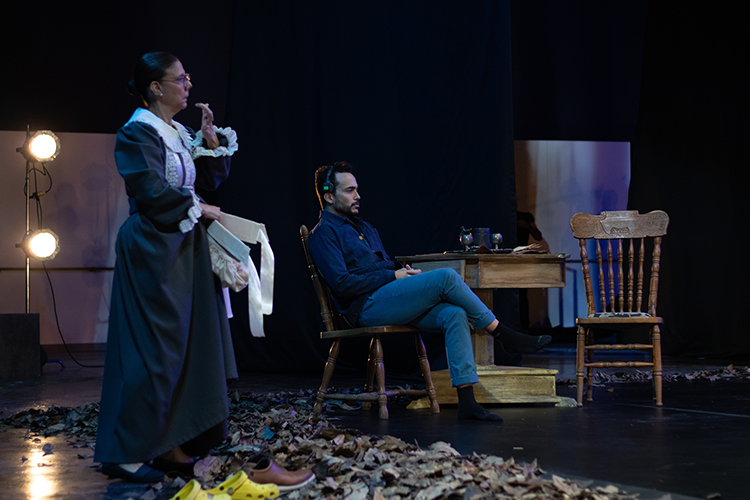
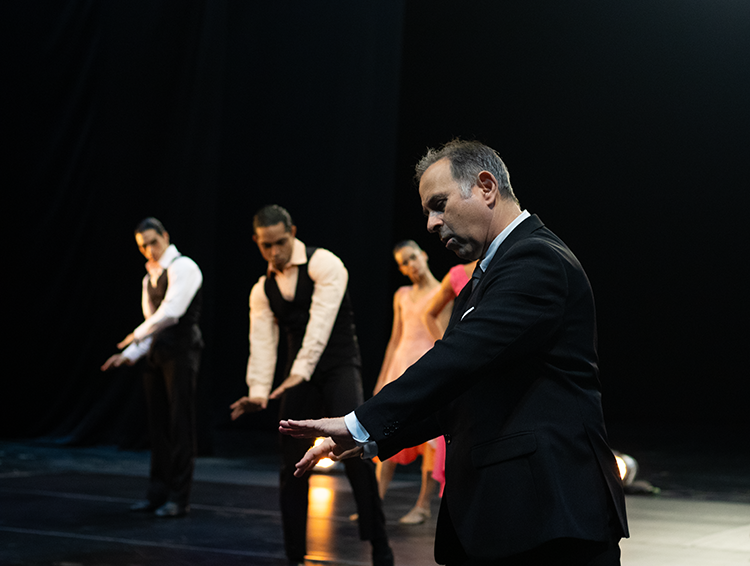
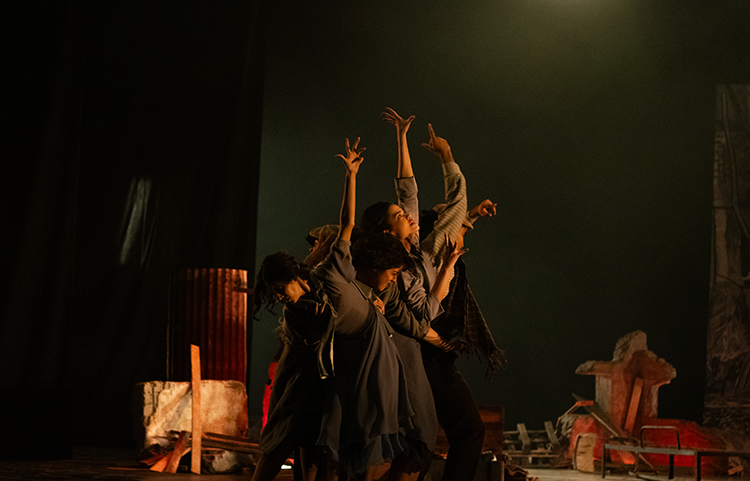
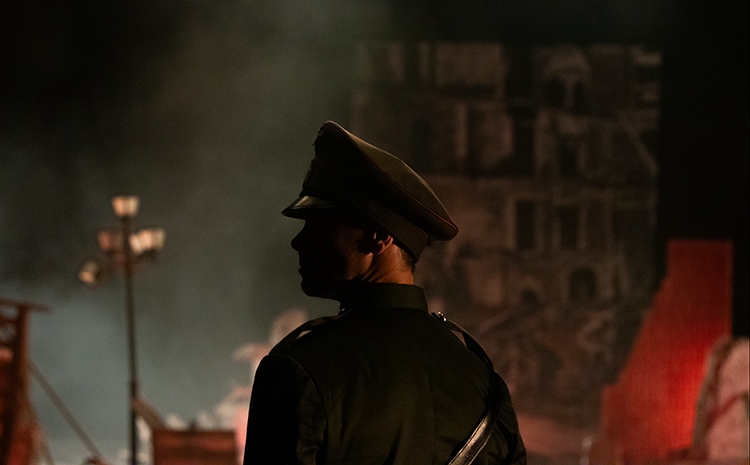
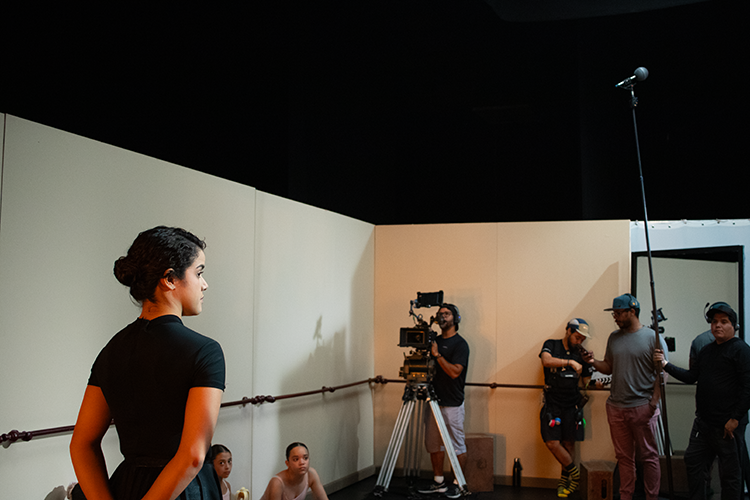
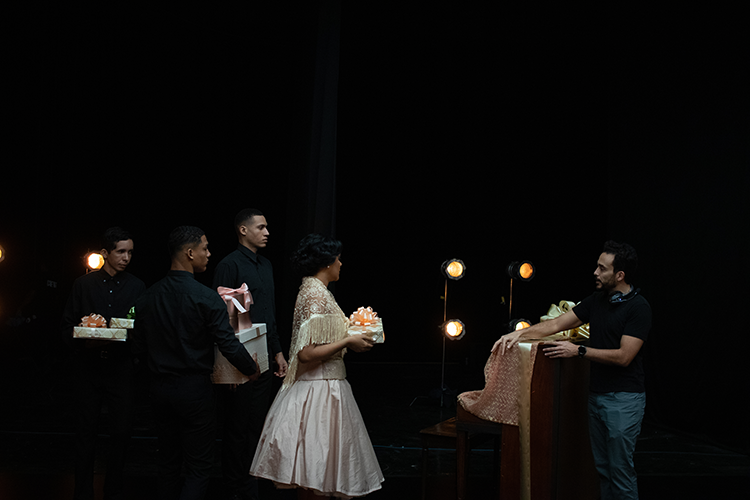
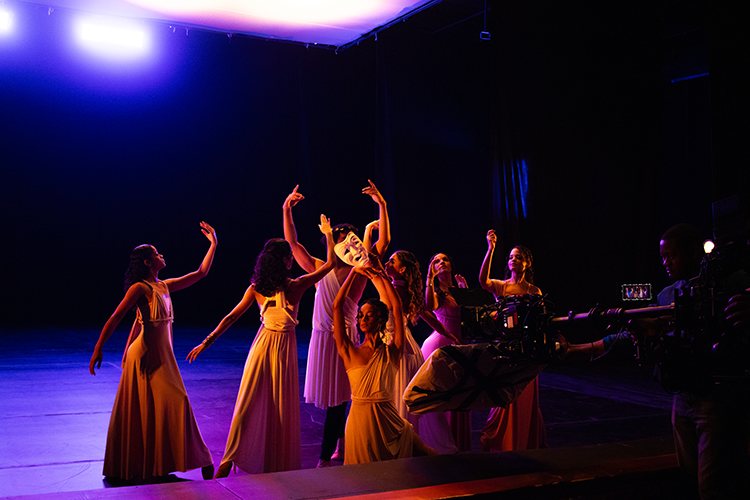
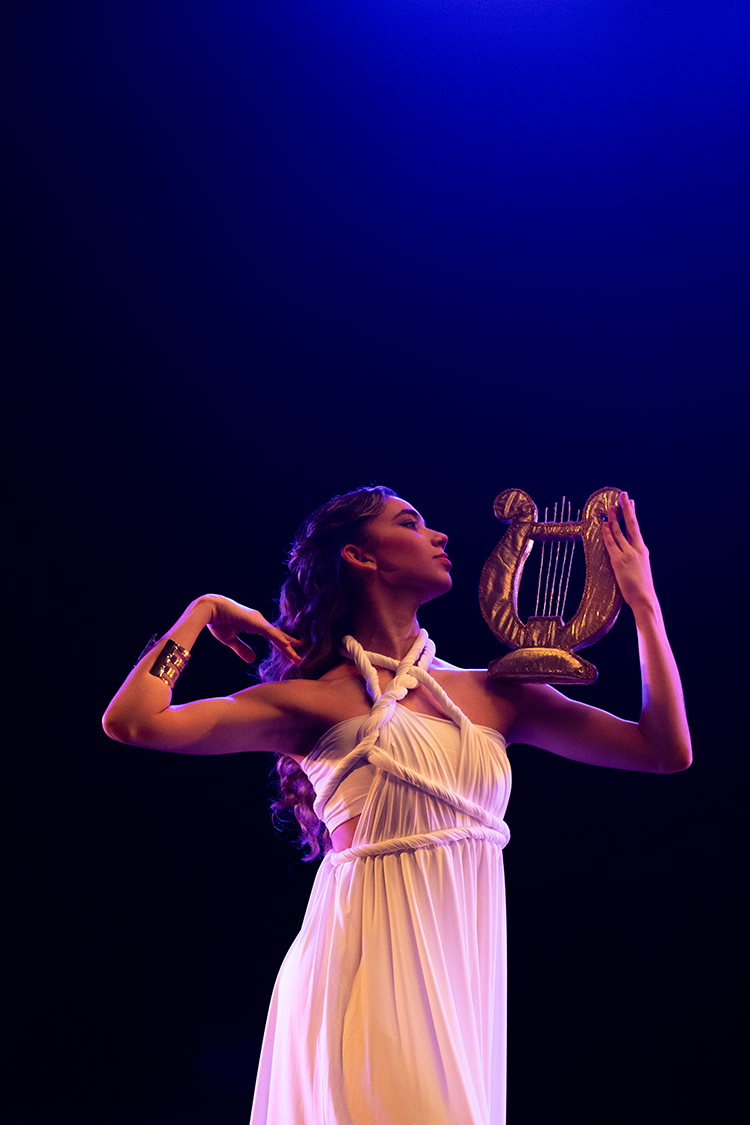
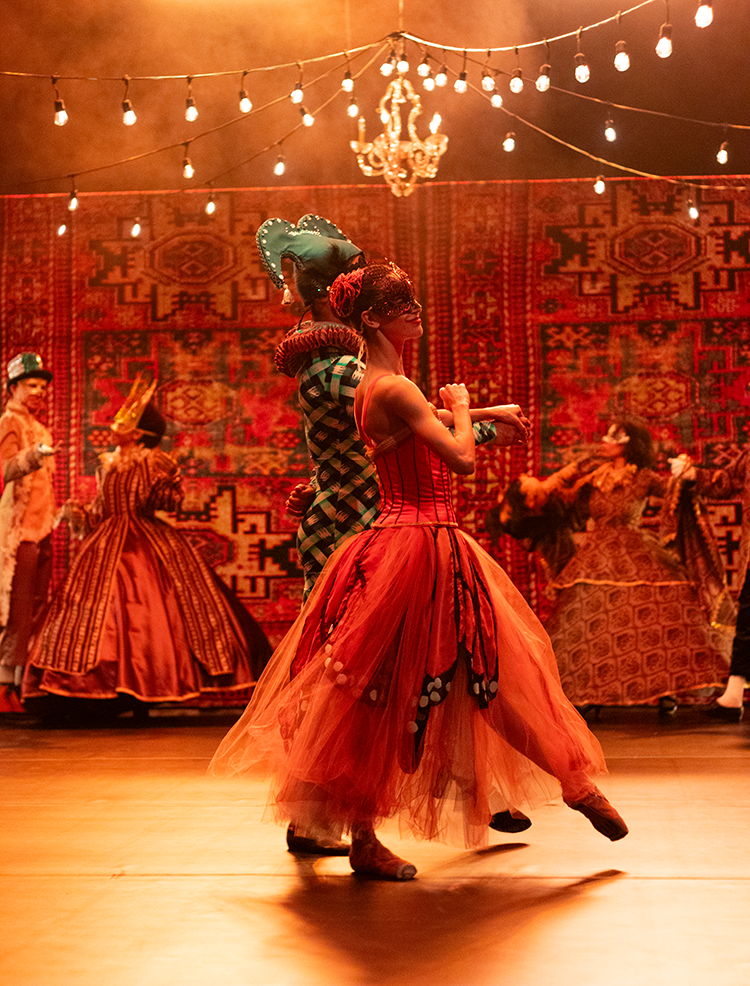
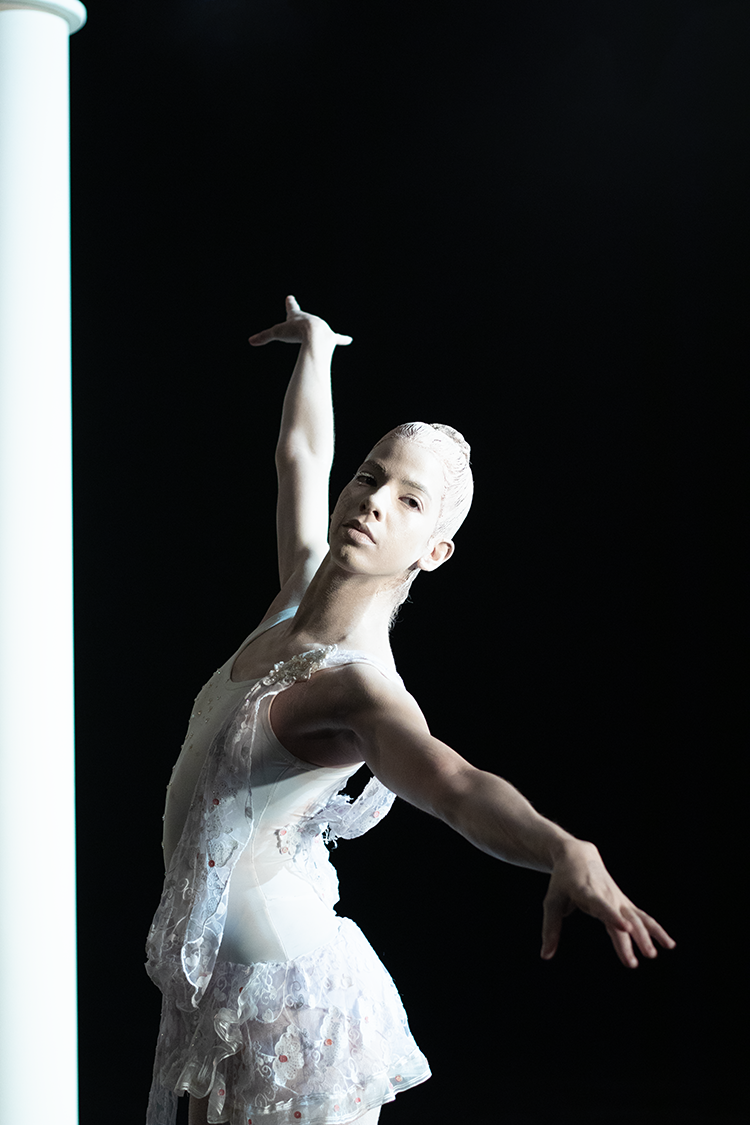
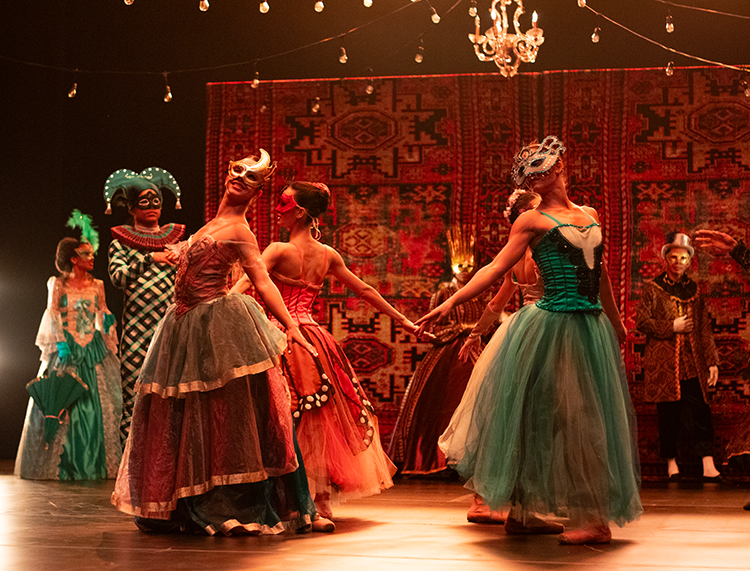
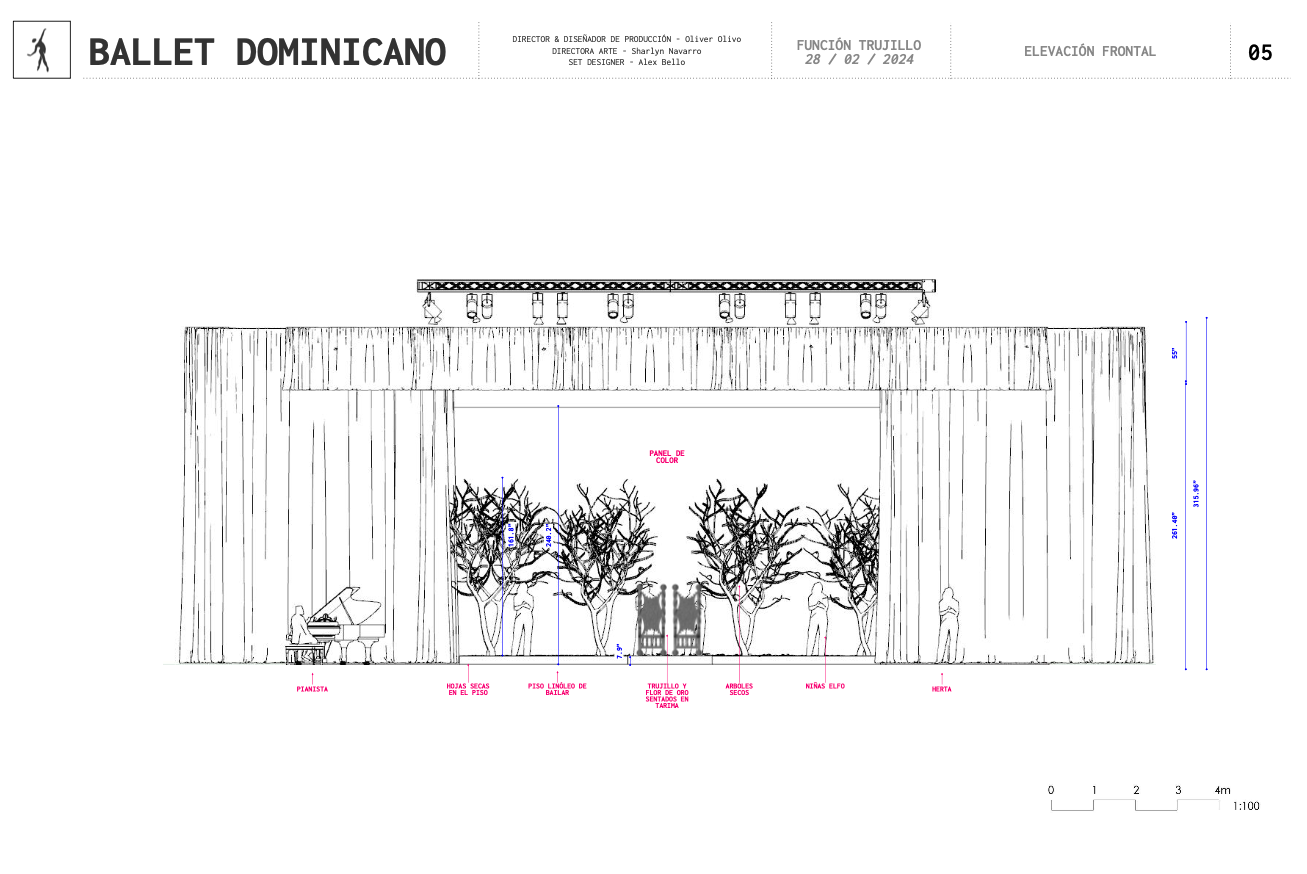
“Los Pasos del Tiempo” tells part of the history of Ballet in the Dominican Republic, which began through foreign influences, mainly from Europe and Cuba, and more specifically in the 1940s. Thanks to three remarkable women, who were the main protagonists, the foundations were laid for ballet to thrive and secure its place today. In this documentary, we recreate some of the most representative ballets of the island and explore the stories of the dancers.
Logline
Three visionary women introduced ballet to the Dominican Republic, laying the foundations for a legacy that, 40 years later, remains alive through Ballet Concierto Dominicano, where passion, discipline, and excellence continue to shape new generations of dancers.
Synopsis
Ballet in the Dominican Republic took root thanks to three visionaries: Herta Brauer, Magda Corbett, and Clara Elena Ramírez, who established the foundations of this art form in the country. Over the years, Clara Elena Ramírez solidified her legacy through teaching and the founding of Ballet Concierto Dominicano. Today, under the direction of her son, Carlos Veitia, this institution continues to train new generations, celebrating 40 years of excellence and passion for dance.
About
This artistic piece narrates the history of ballet in the Dominican Republic, from its pioneering figures to its current evolution under the leadership of Carlos Veitia.

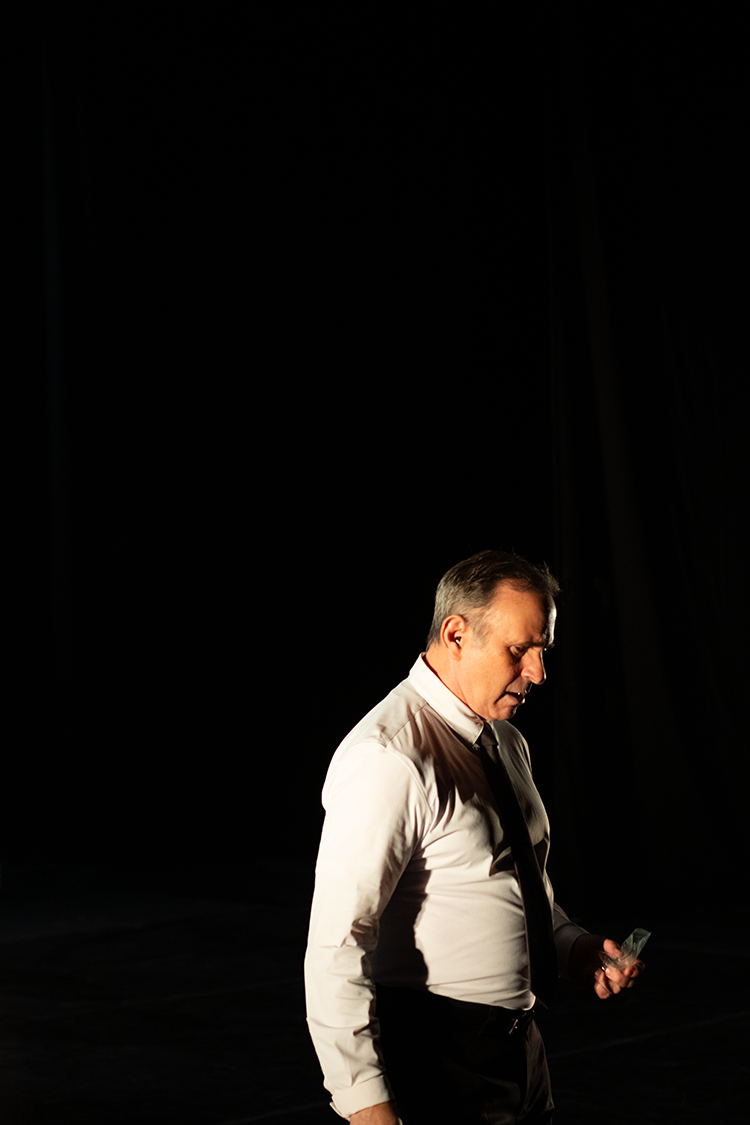
Film Stills






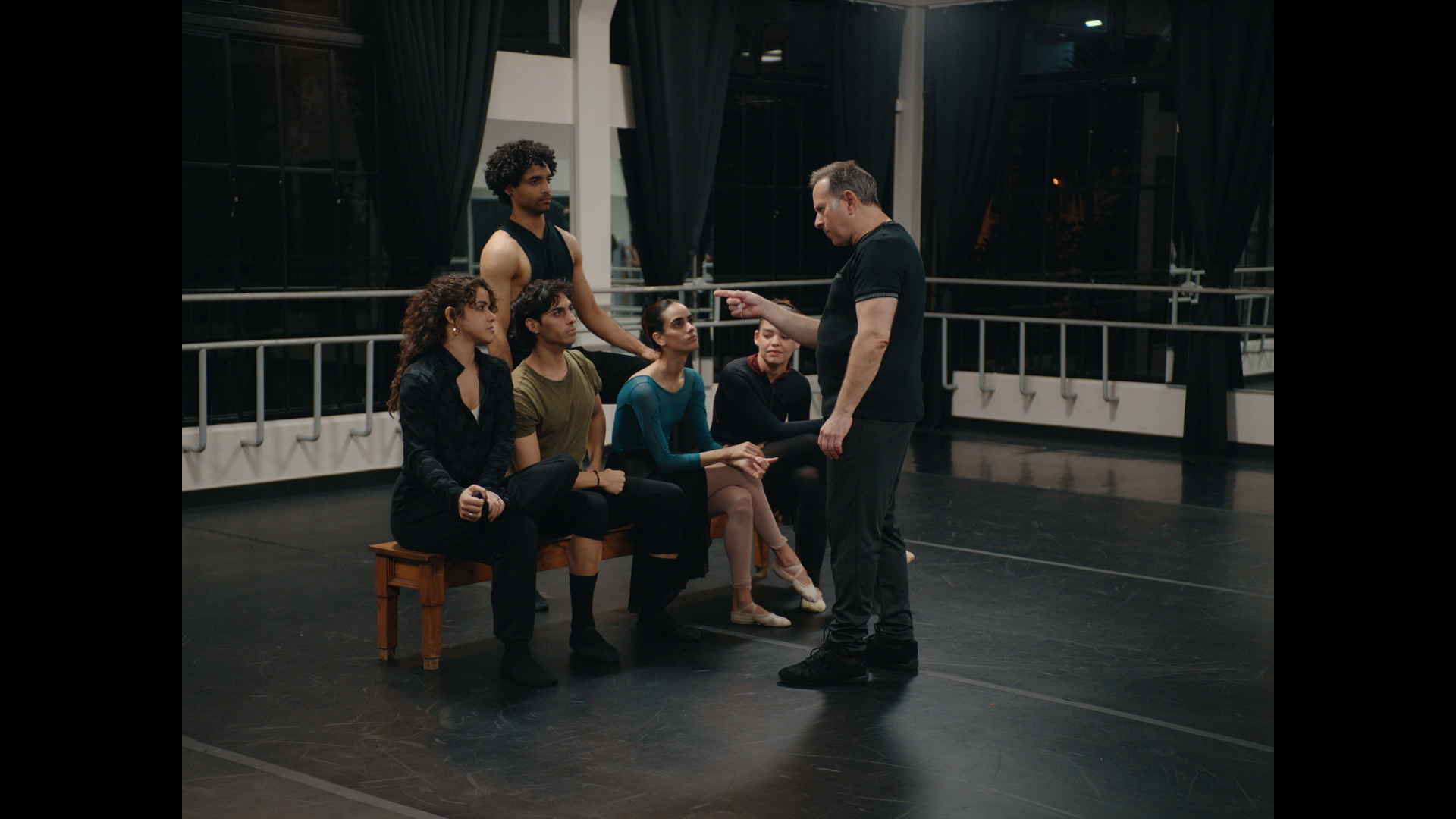


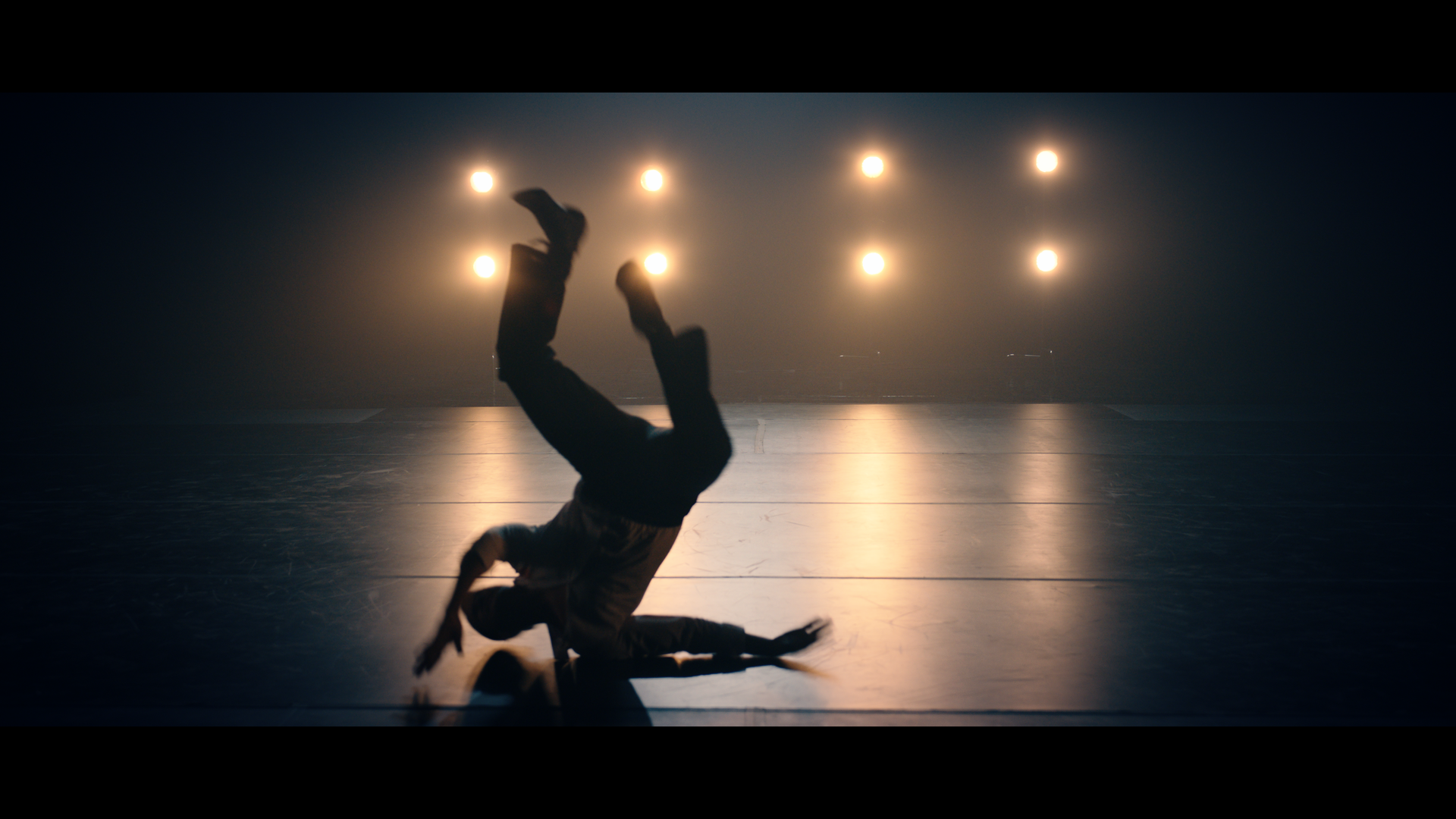


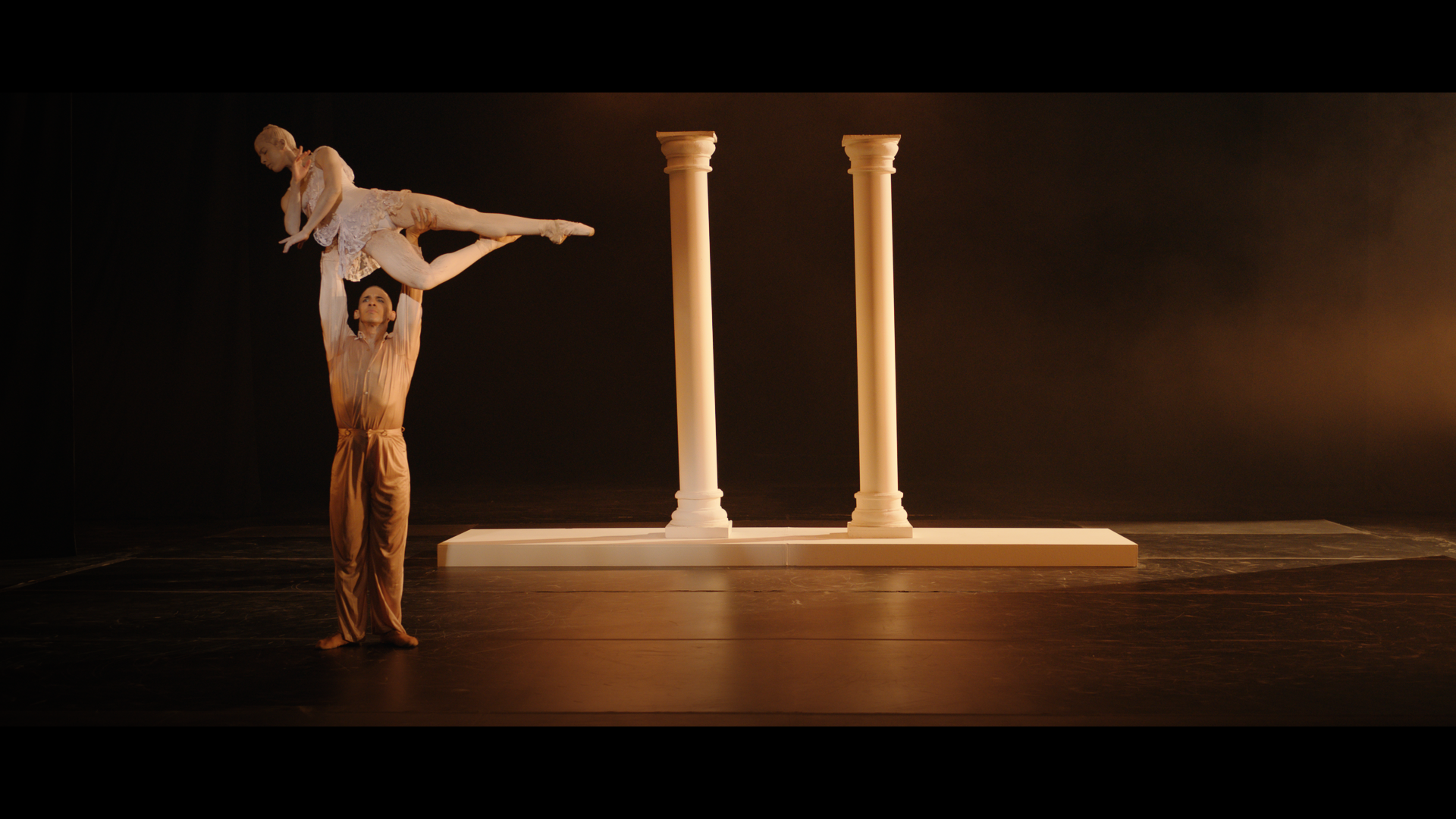



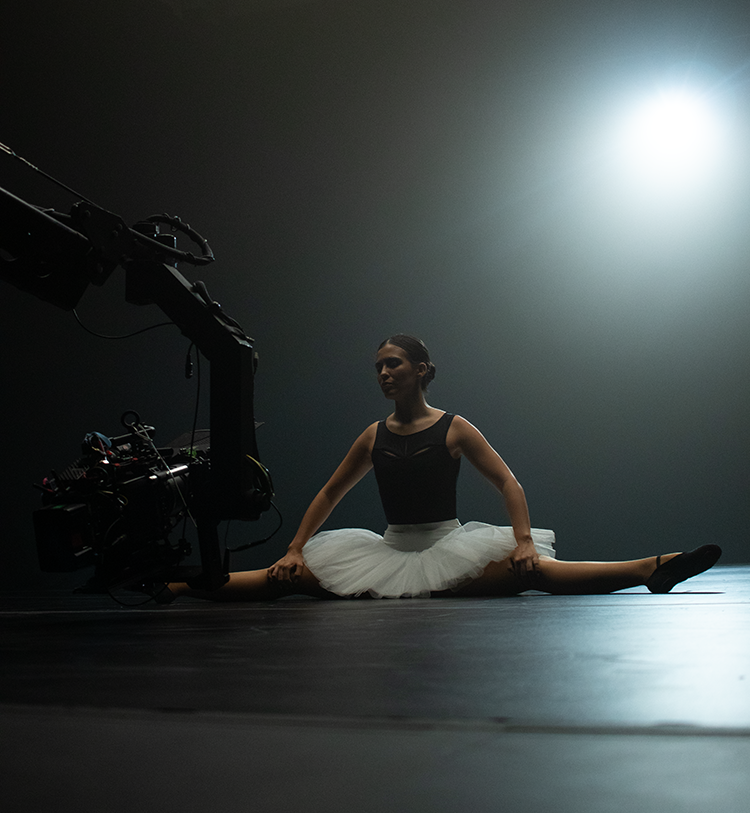
Behind The Scenes Photos


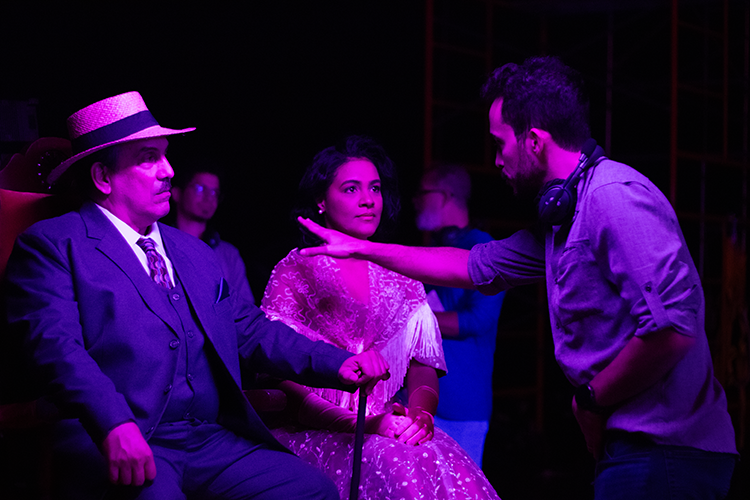


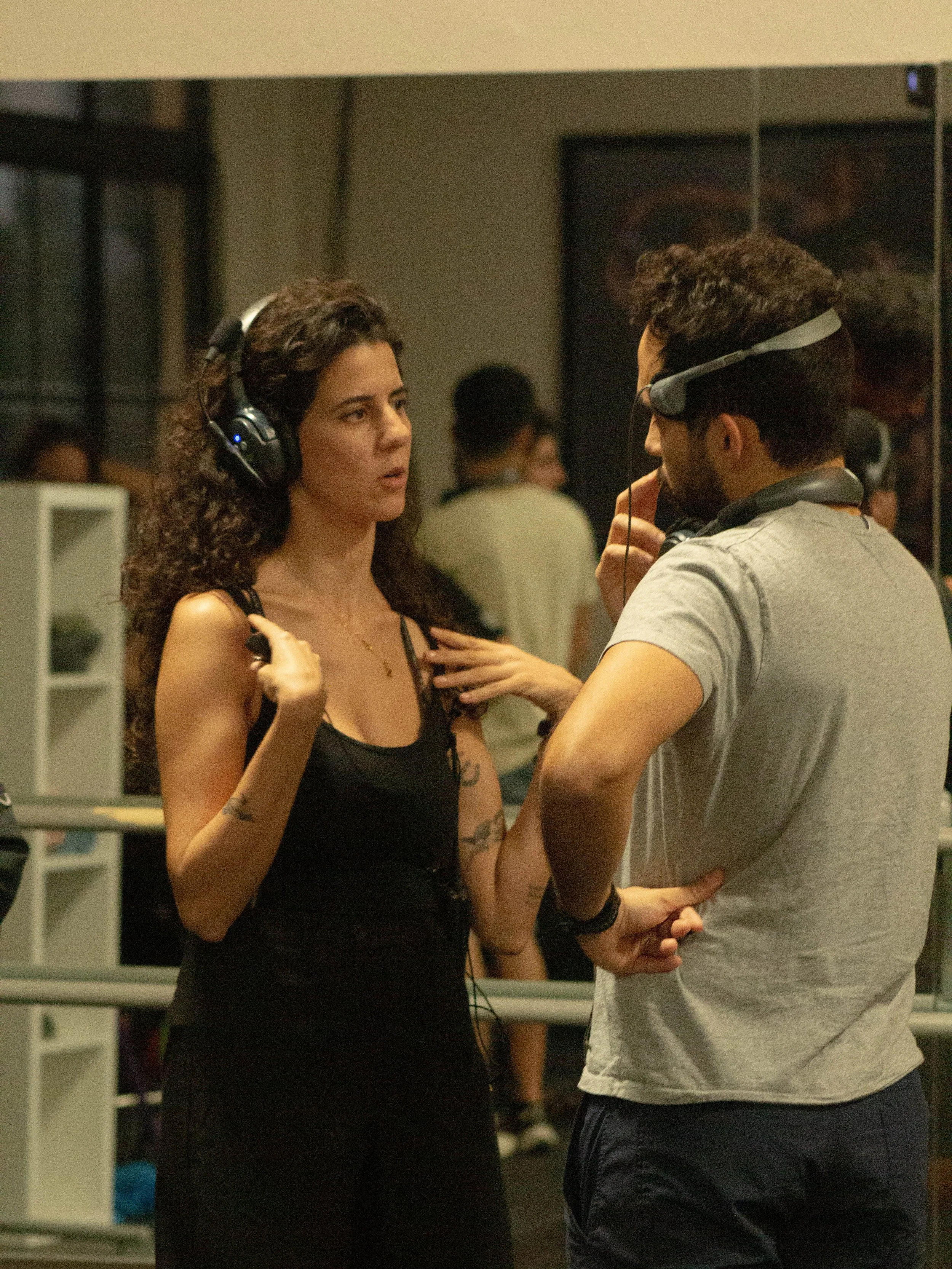


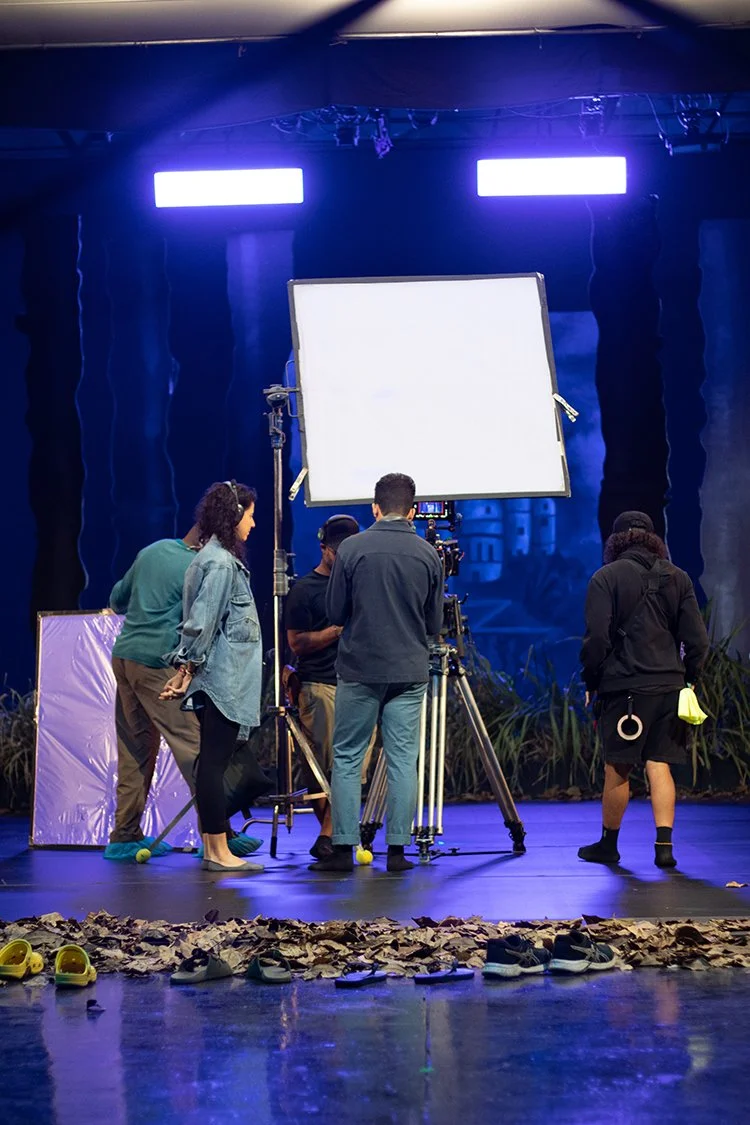


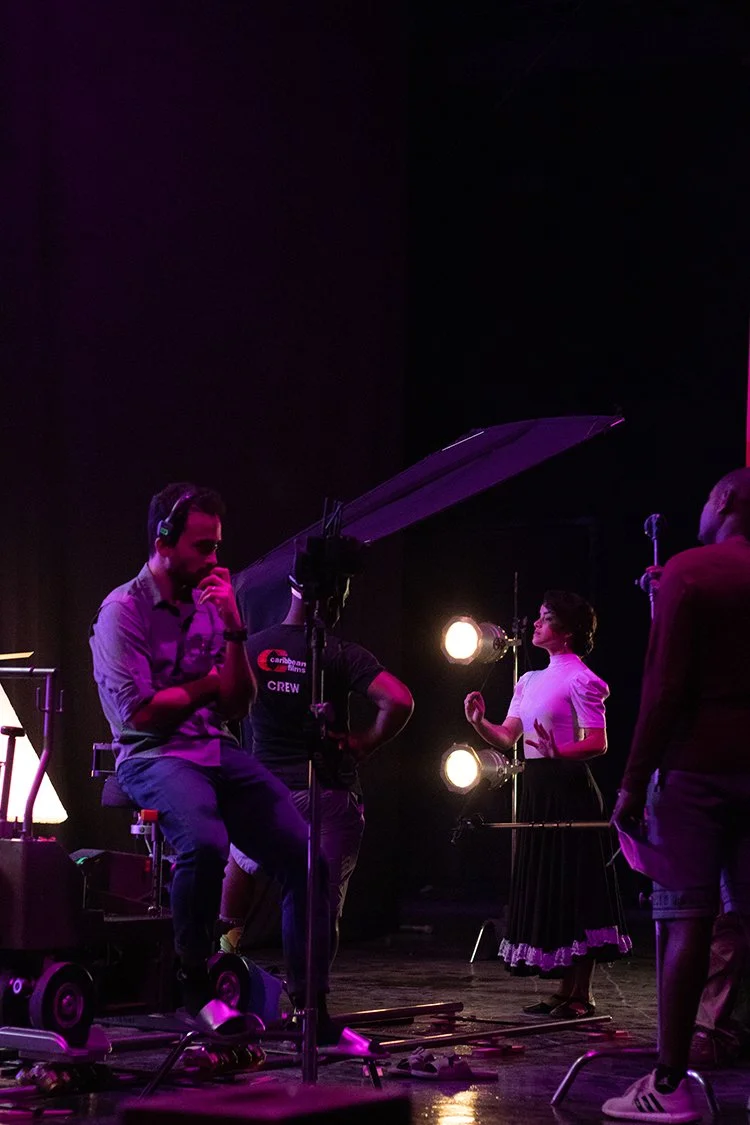

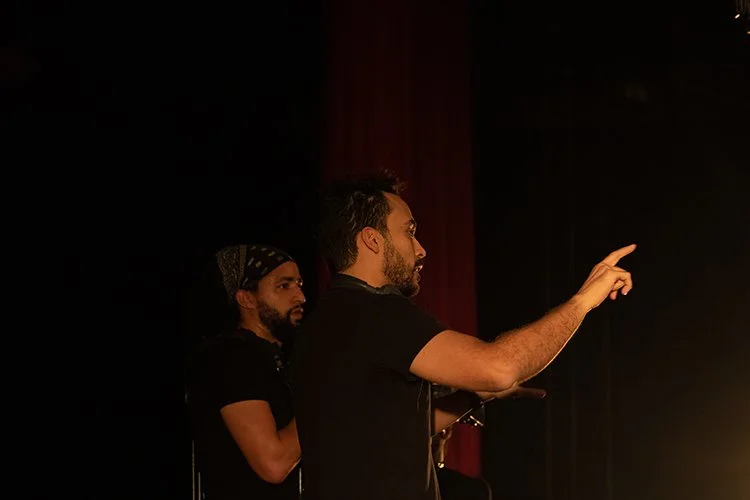


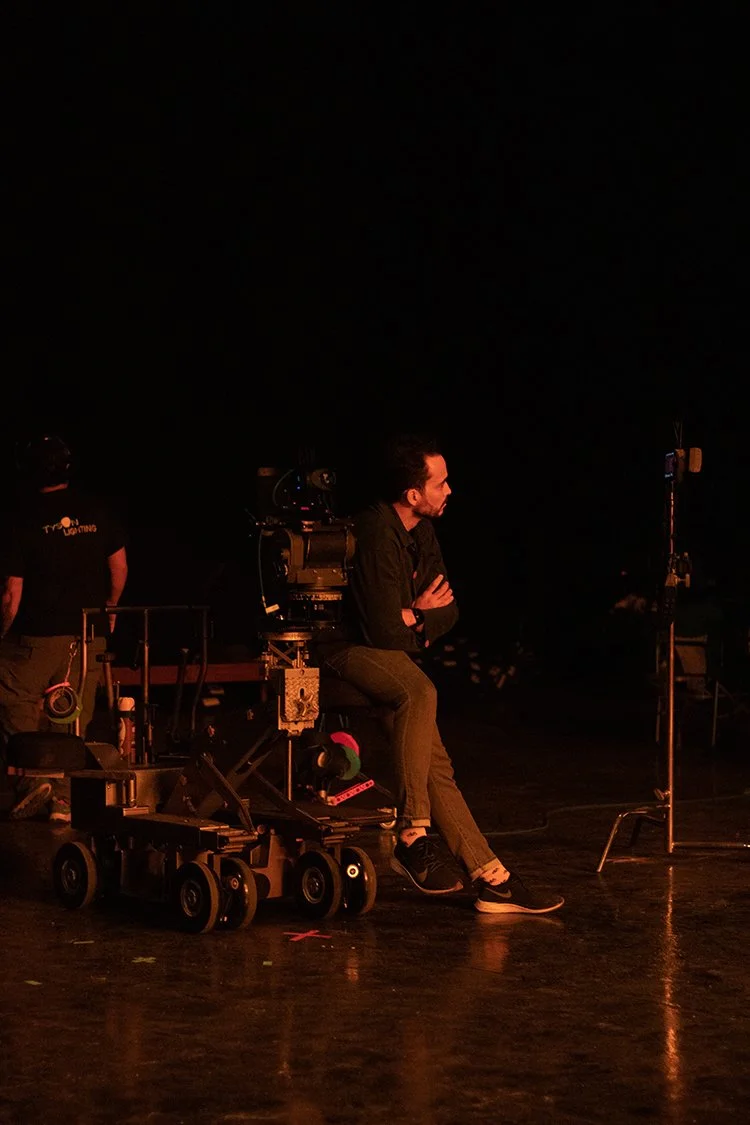


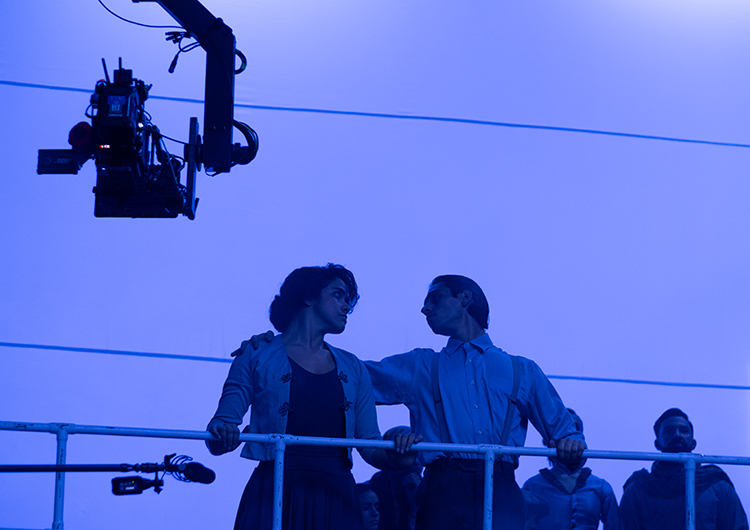
























Producer: Ivette Bautista
Director: Óliver Olivo
Director of Photography: César Zayas
Screenplay: Claudia Galeano
Line Producer: Nicole Quiñones
Production Designer: Óliver Olivo
Art Direction: Sharlyn Navarro
Editor: Francisco Montás
Behind The Scenes + Production Design Photos




4%: Un Documental de EDUCA - Feature Documentary (2024)

Since allocating 4% of GDP to education in 2013, the Dominican Republic has invested a total of 20 billion dollars. Despite this, the country continues to rank worst in math, science and literacy year after year.
Producer - Ivette Bautista
Writer - Darwin Caraballo
Director and Production Designer - Oliver Olivo
DoP - César Zayas / Andrés Miolán
Line Producer - Nicole Quiñones
Film Stills


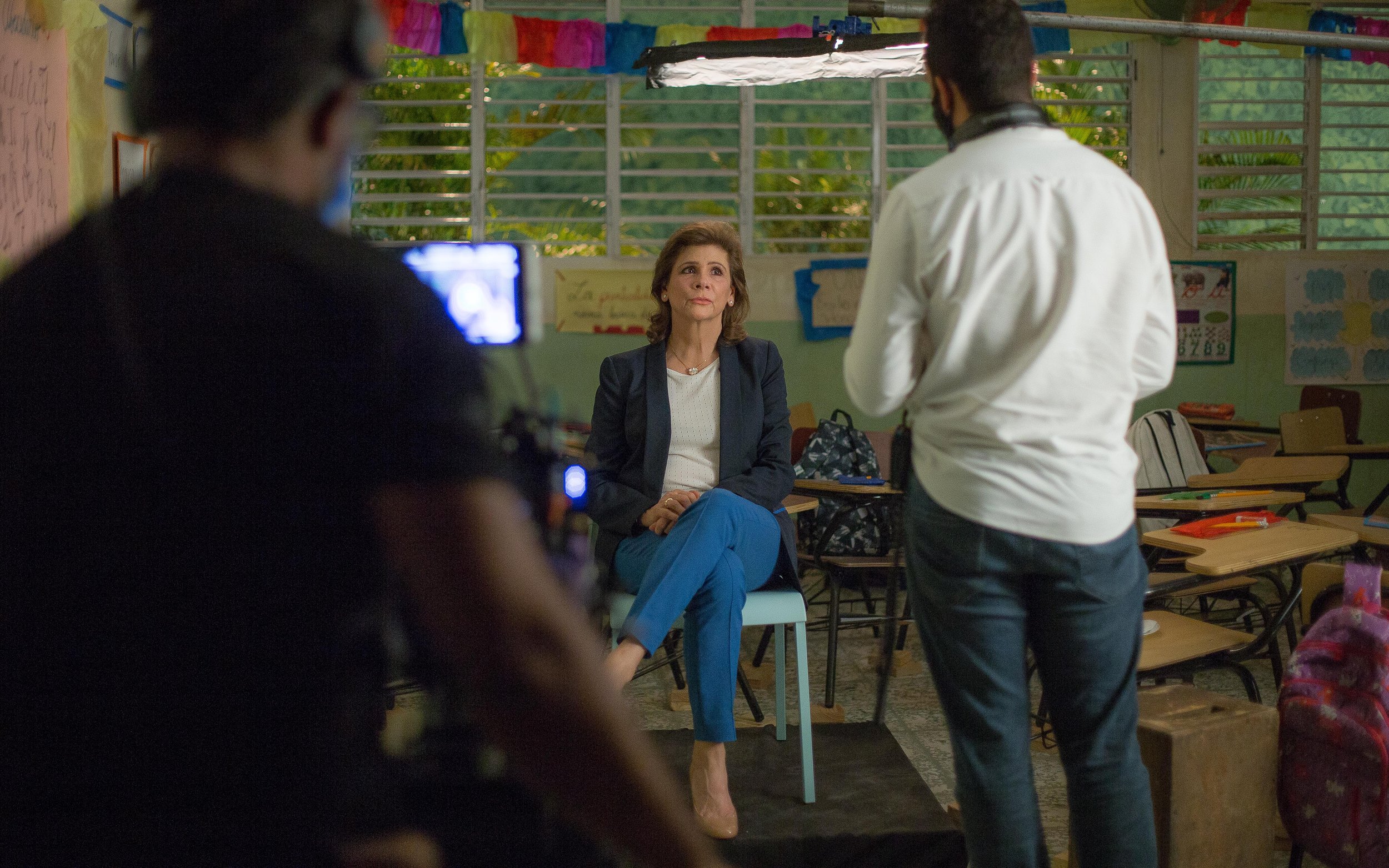
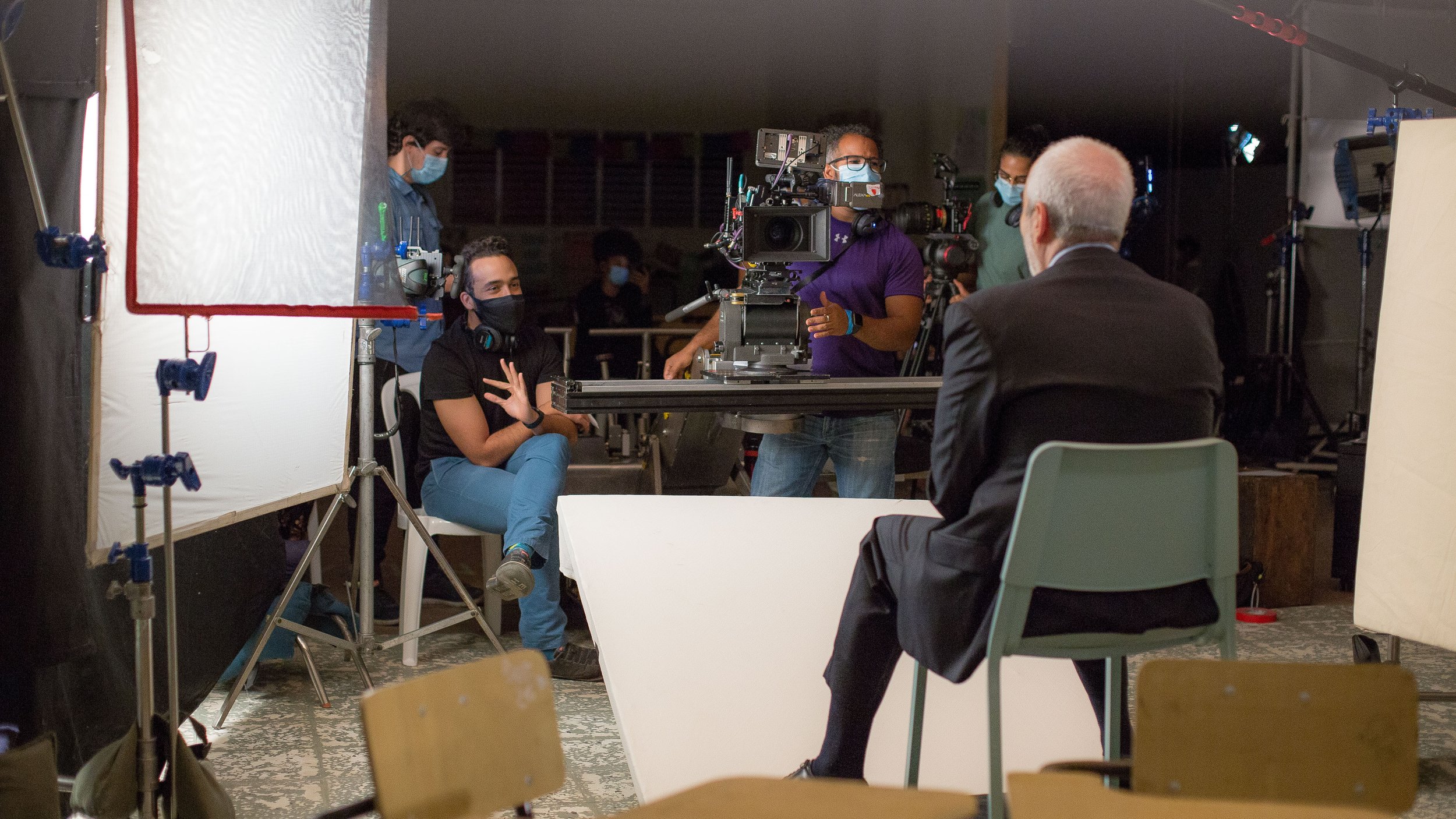
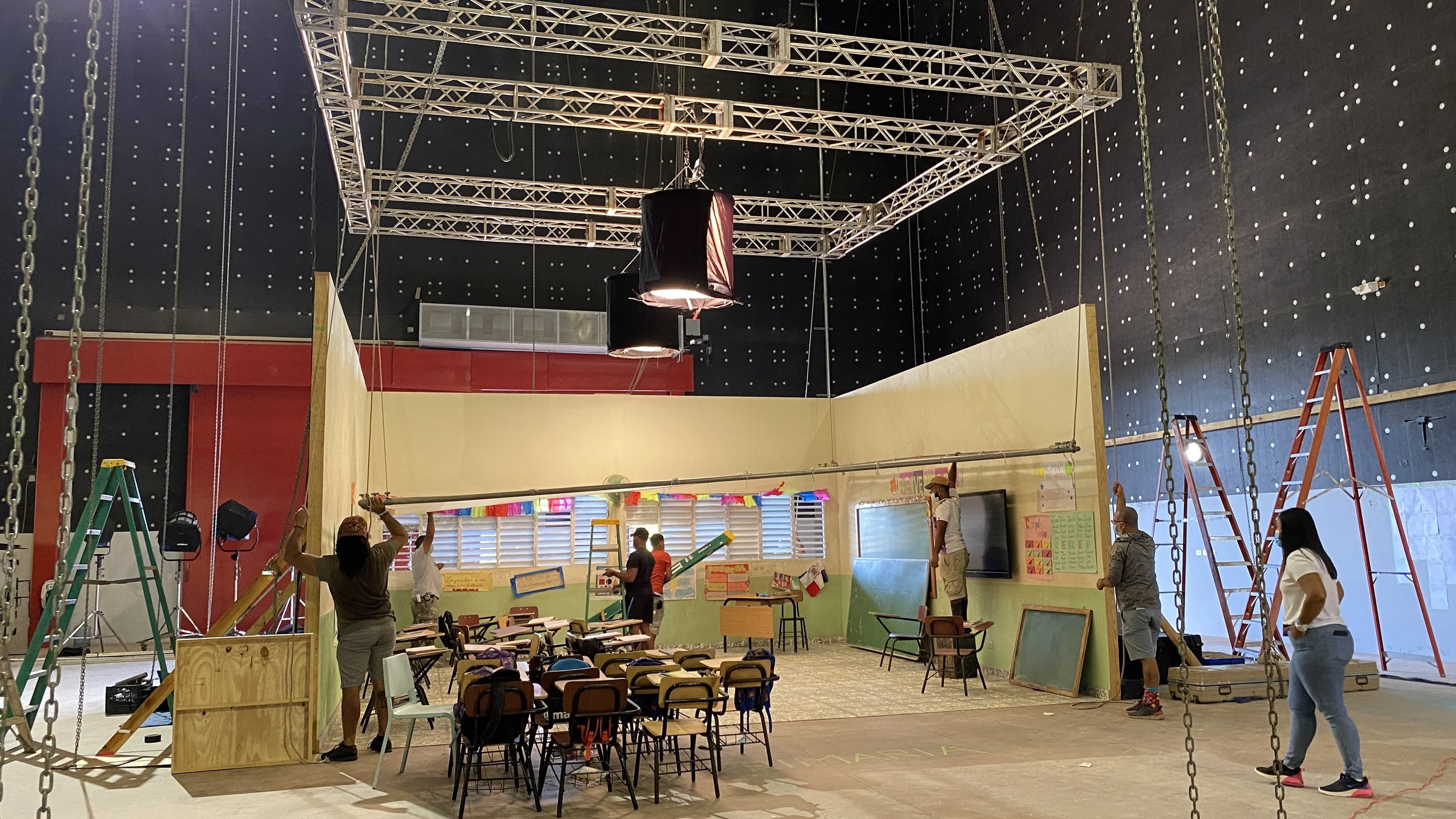
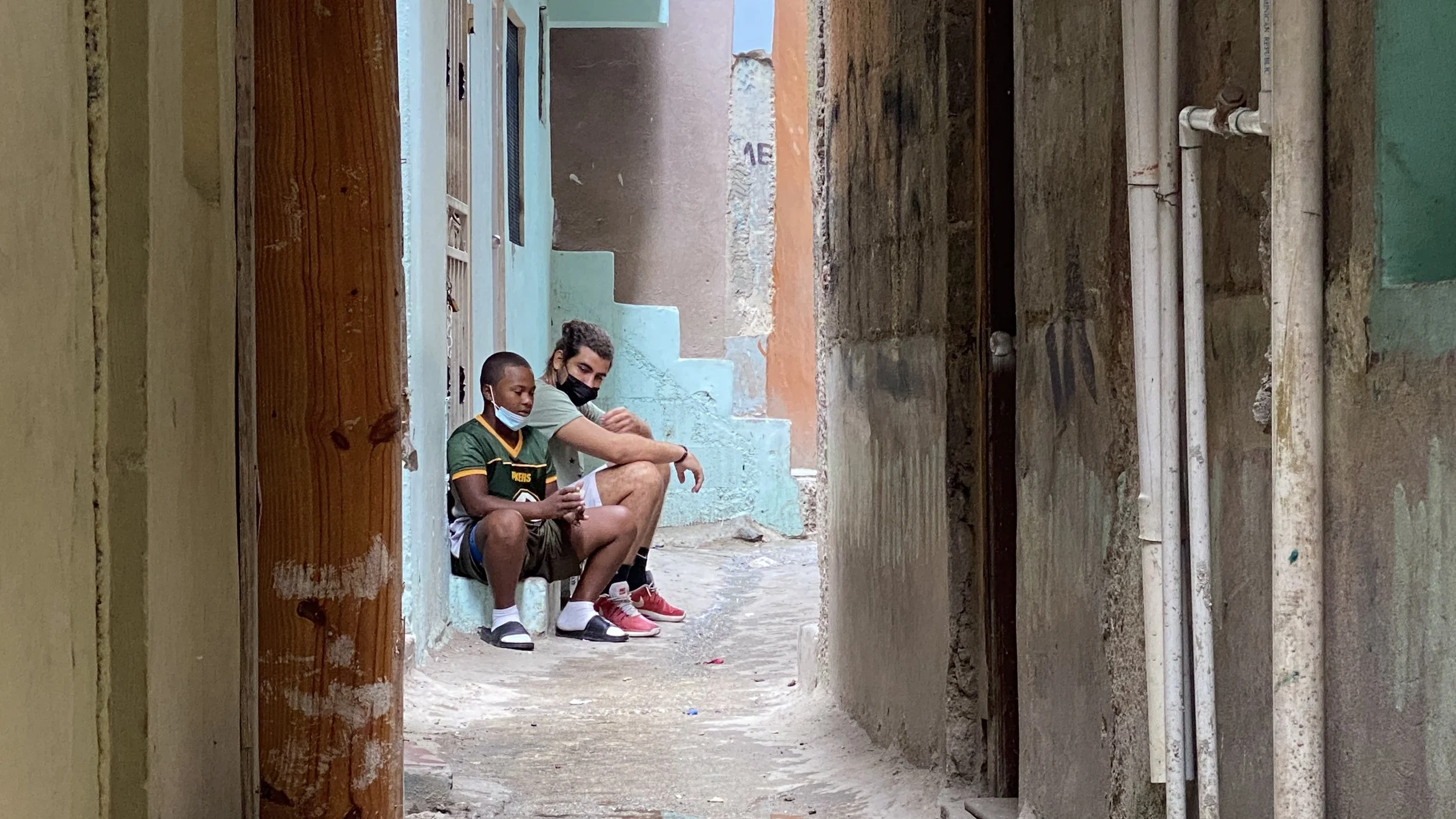
Behind The Scenes Photos


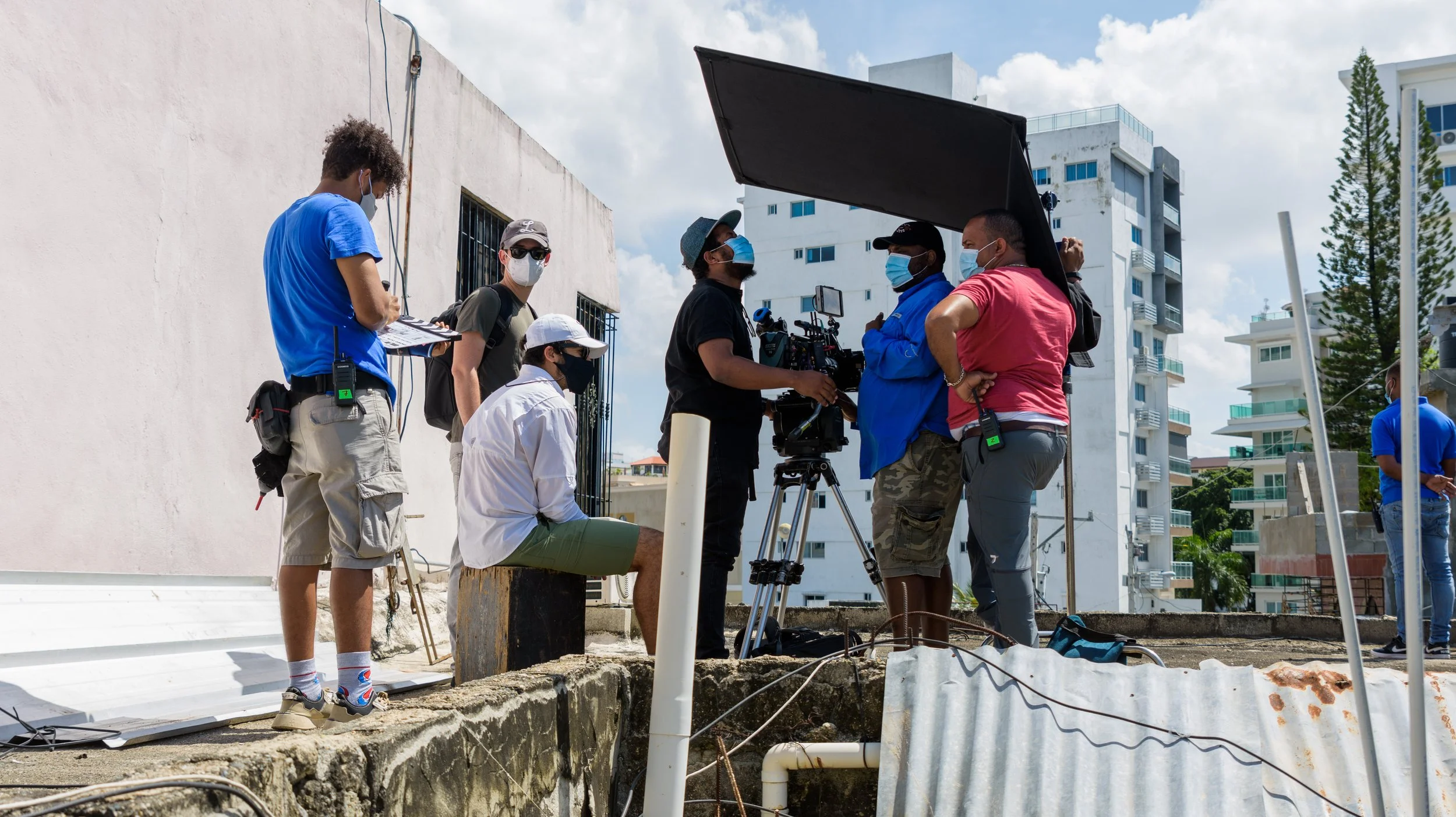


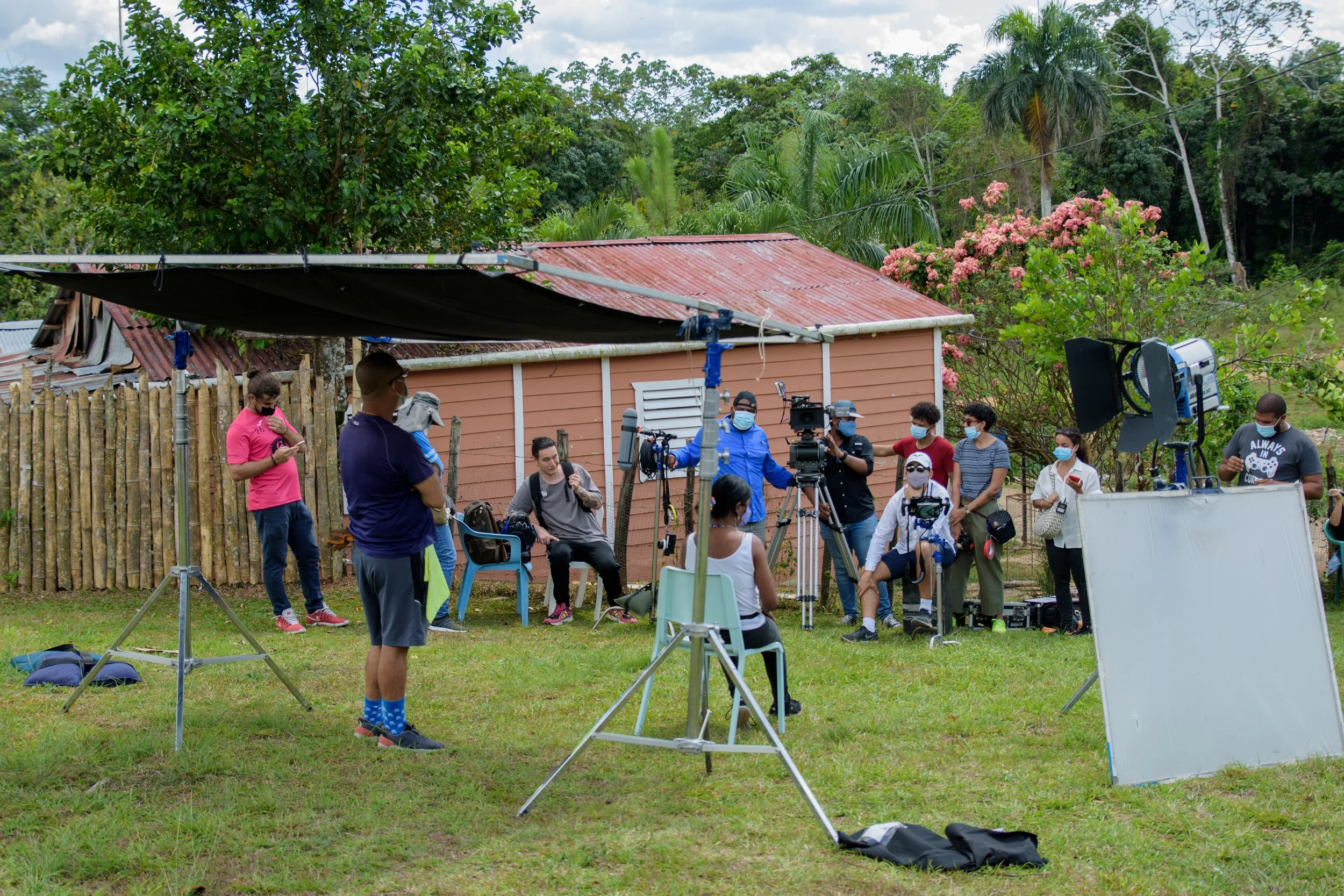


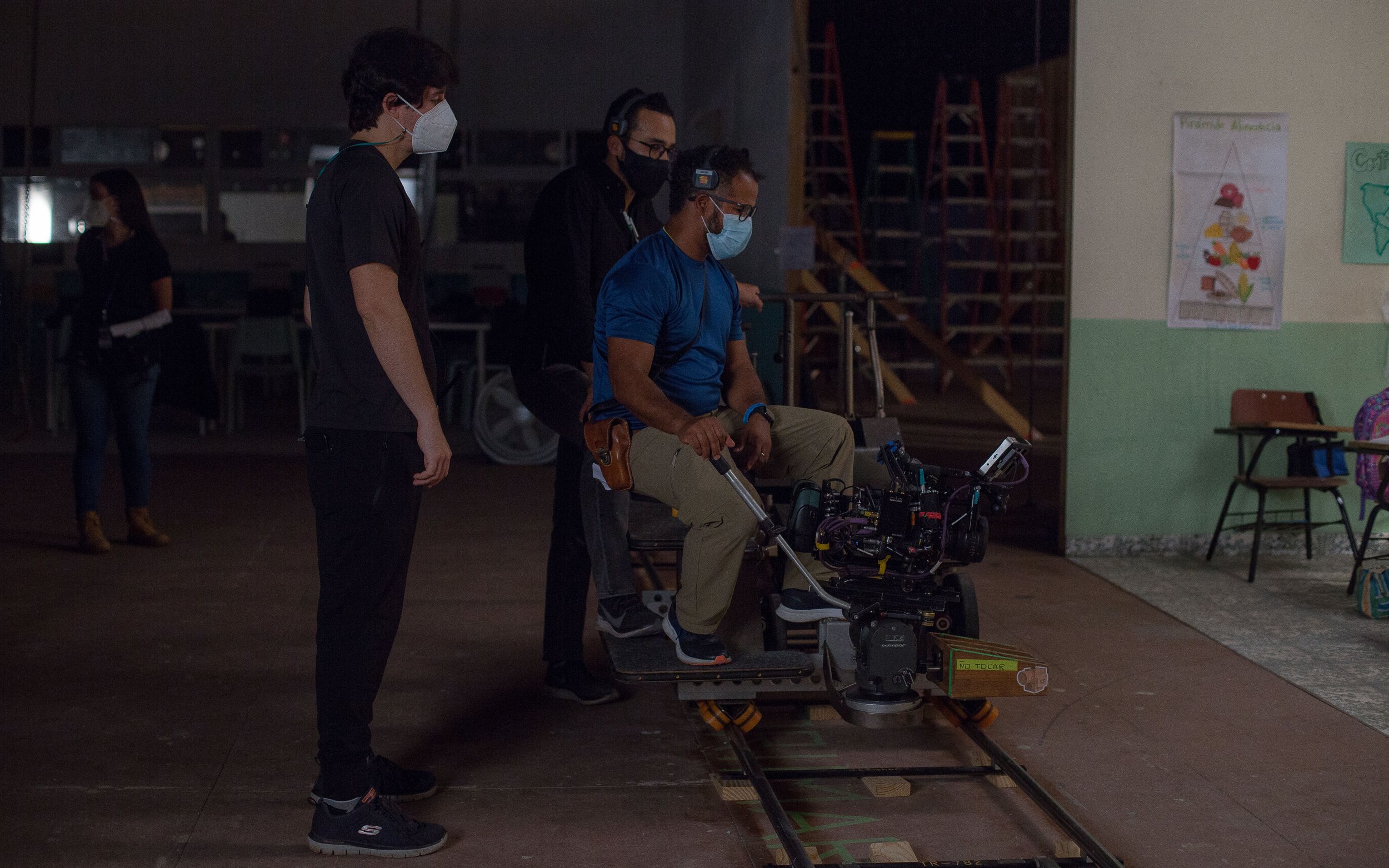










Behind The Scenes Videos
Full Movie








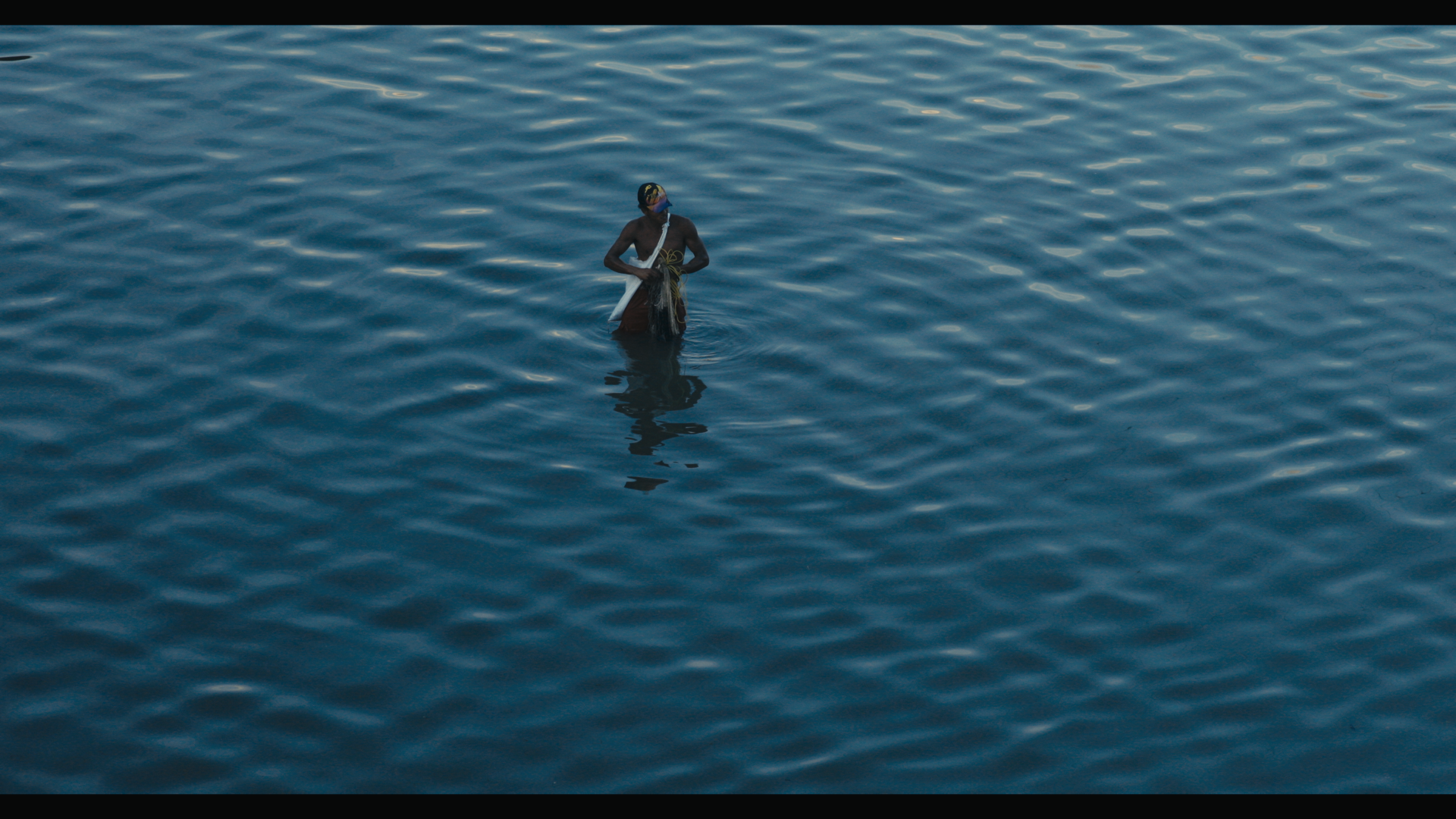
Yaque - Feature Documentary (2023)
Organiza una proyección / Host a screening

Jardín Botánico Nacional, Santo Domingo, RD - 17/10/2024
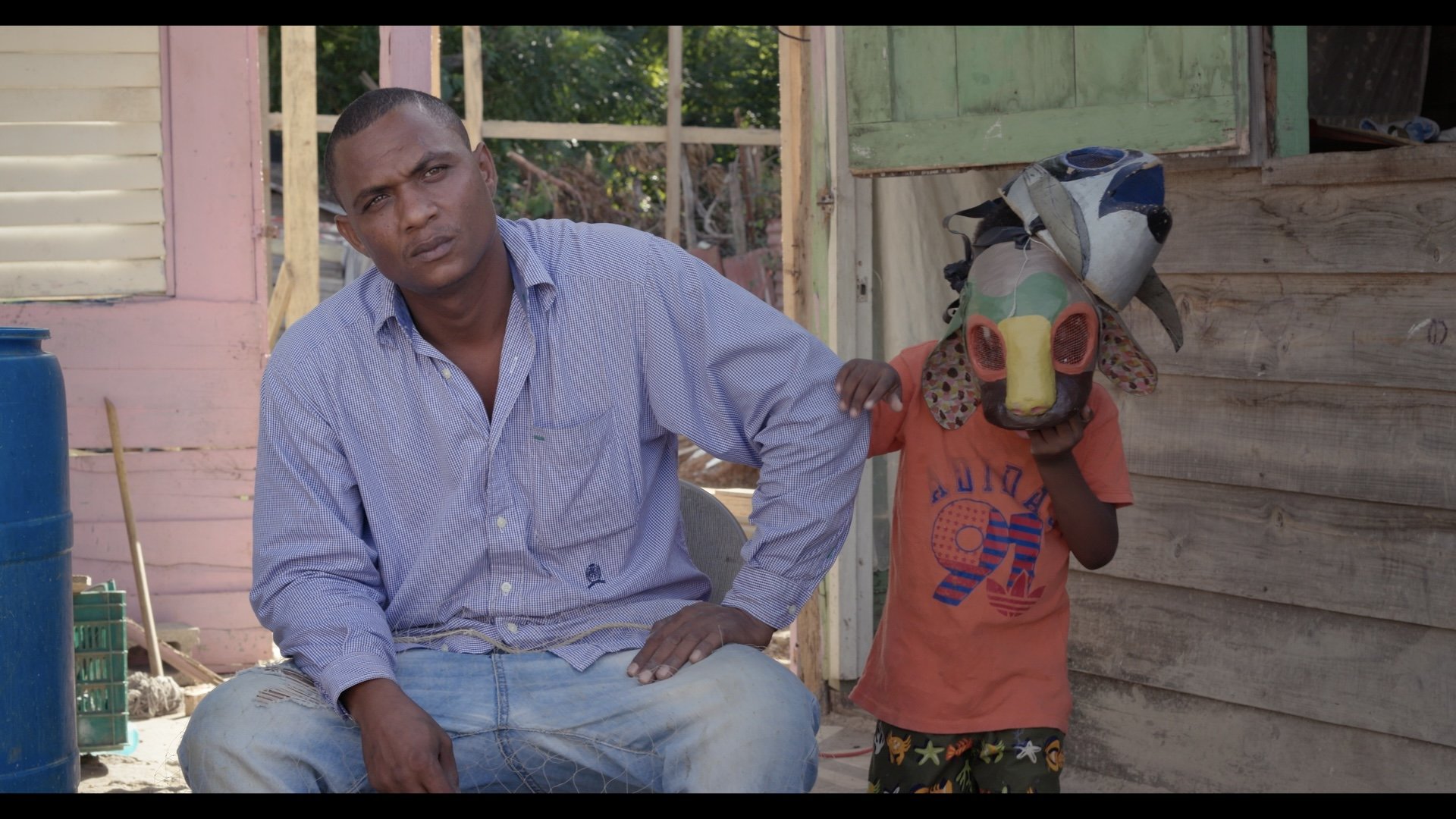
The movie tells the story of the people who live along the Yaque del Norte, the longest and most important river in the Dominican Republic, and how that stream of water plays an essential role in their lives.
La película cuenta la historia de las personas que viven a lo largo del Yaque del Norte, el río más largo e importante de República Dominicana, y cómo ese flujo de agua juega un papel fundamental en sus vidas.


Film Stills




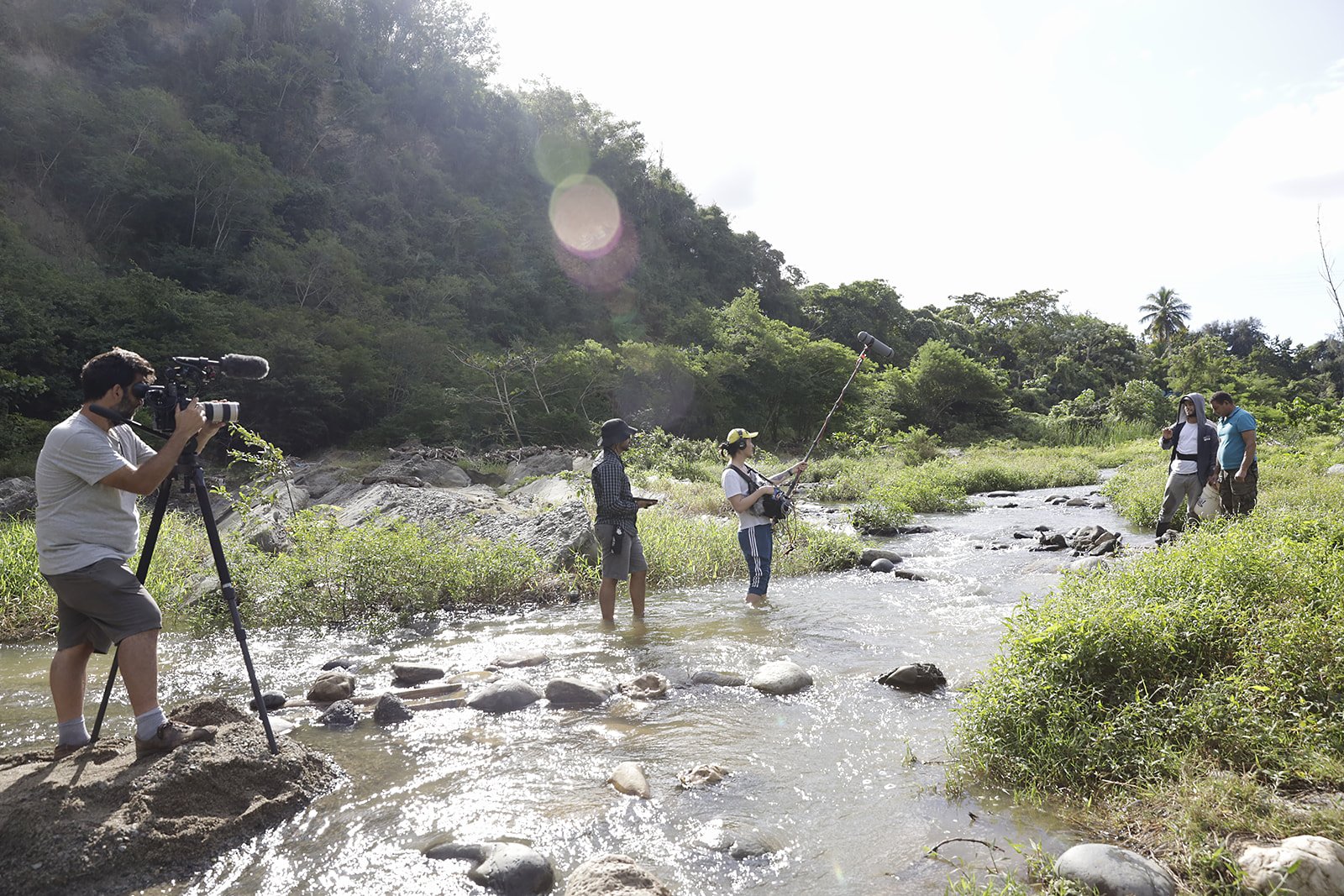
Behind The Scenes Photos




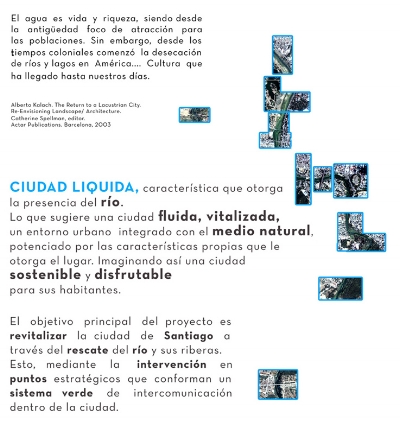
Being born and raised in Dominican Republic, in the Caribbean, did not shape my mind only in terms of post-colonial, new imperialistic and neoliberal relations toward the West; living on an island also means limited resources, limited space, literally and in subtext, and all those socio-political in strong relation to our natural conditions to a great extent influenced my upbringing and early years spent on the island. The connection between the geology of islands with its very specific qualities and limited hydrography system based on the lack of mountains and the size of the island and on the other hand communities dependent on these natural sources had attracted my attention already as I was pursuing my undergraduate in architecture and urbanism. In 2007 I was involved in the project with the focus to Yaque del Norte River, the longest river in the entire insular Caribbean. The initial idea was to develop and apply an urban revitalization plan for the part of the river and its banks, where it crosses the city of Santiago, the second largest city in Dominican Republic. Exploring the river and its path inspired me to start working on a project that combines my passions and professional backgrounds in architecture, visual arts and filmmaking. I want to use all of those different media, knowledges and skills to draw a portrayal of diverse community life and uses, benefits and risks, at different levels and parts of Yaque del Norte River.
With its 296 kilometers snaking around one third of the Dominican Republic territory, it follows the life of communities on its banks and affects approximately 1 million people. In the birth of the river, in the mountains communities, it is used mostly for ecotourism, tourism and recreation; in the middle it is used as a source of water consumption and as a dump; and on the longest and last part it is an important water source for agriculture and consumption of thousands of people. It is a source of life on the one hand, but at the same time it presents several risks and dangers to the people living next to it. On the basis of the preliminary insights, I started to develop a documentary-feature film concept, to investigate and tell the story of the people living along the river; I ask what life-stories can we hear along the 296 kilometers of the river? How does the life of the communities living in the mountains, close to its spring, differ from the life communities at the countryside, just before the river enters the ocean? With those leading questions I would like to explore, study and understand the personal narratives influenced or/and contextualized inside of broader social problems, like poverty, pollution, social stratification etc.
In the focus are different levels and qualities of life along the same river: the individual portrayals show the great polarization, seen through the clothing, visual appearances, daily activities, religious and moral beliefs, survival strategies etc. Hence, the project aims to show not only how we as human beings exploit natural resources, but also how the organization of our social and political life influences the places of settlements. The population settled at different parts of the river, for instance, shows also the social (class, racial, etc.) division and which places are conquered by which groups. As for instance upper parts used for the tourism as an activity in the domain of upper classes and privileged groups; lower, polluted parts, used by lower classes, sometimes also racially isolated. In addition to showing the benefits of communities that settled around the river, it is important for me to expose also its darker sides: throughout the years it has changed and had been impacted by deforestation, and pollution as factors of human activities, but also it has been exposed to the powerful storms and hurricanes.

Map of the river and its basin along all the communities.
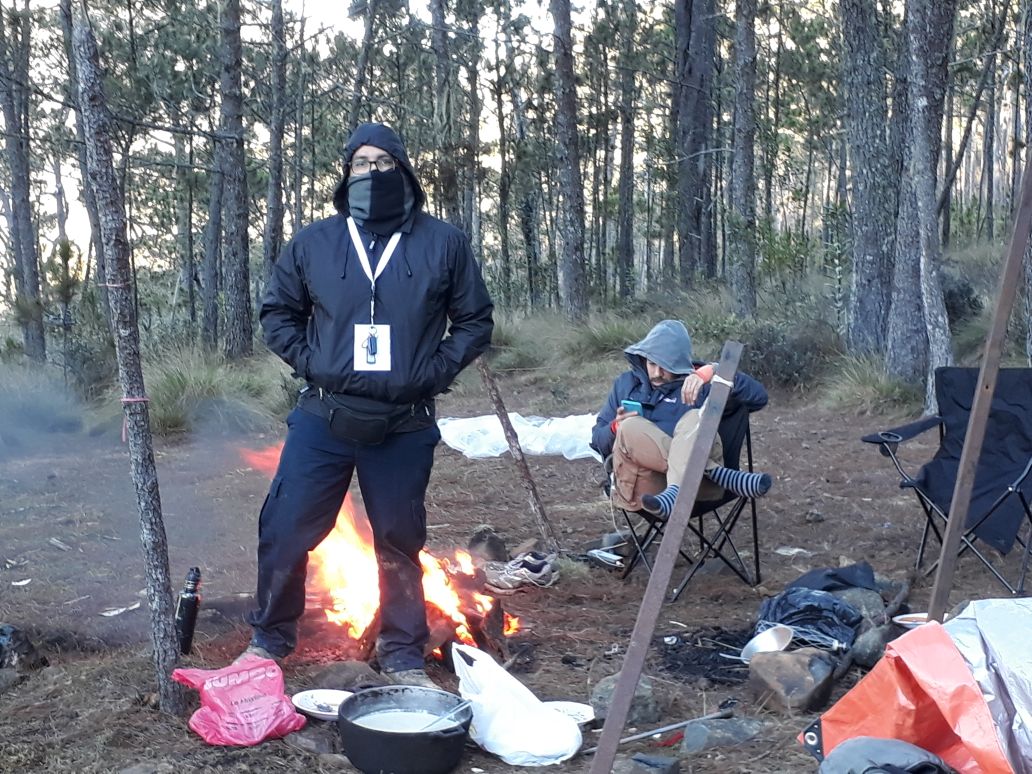
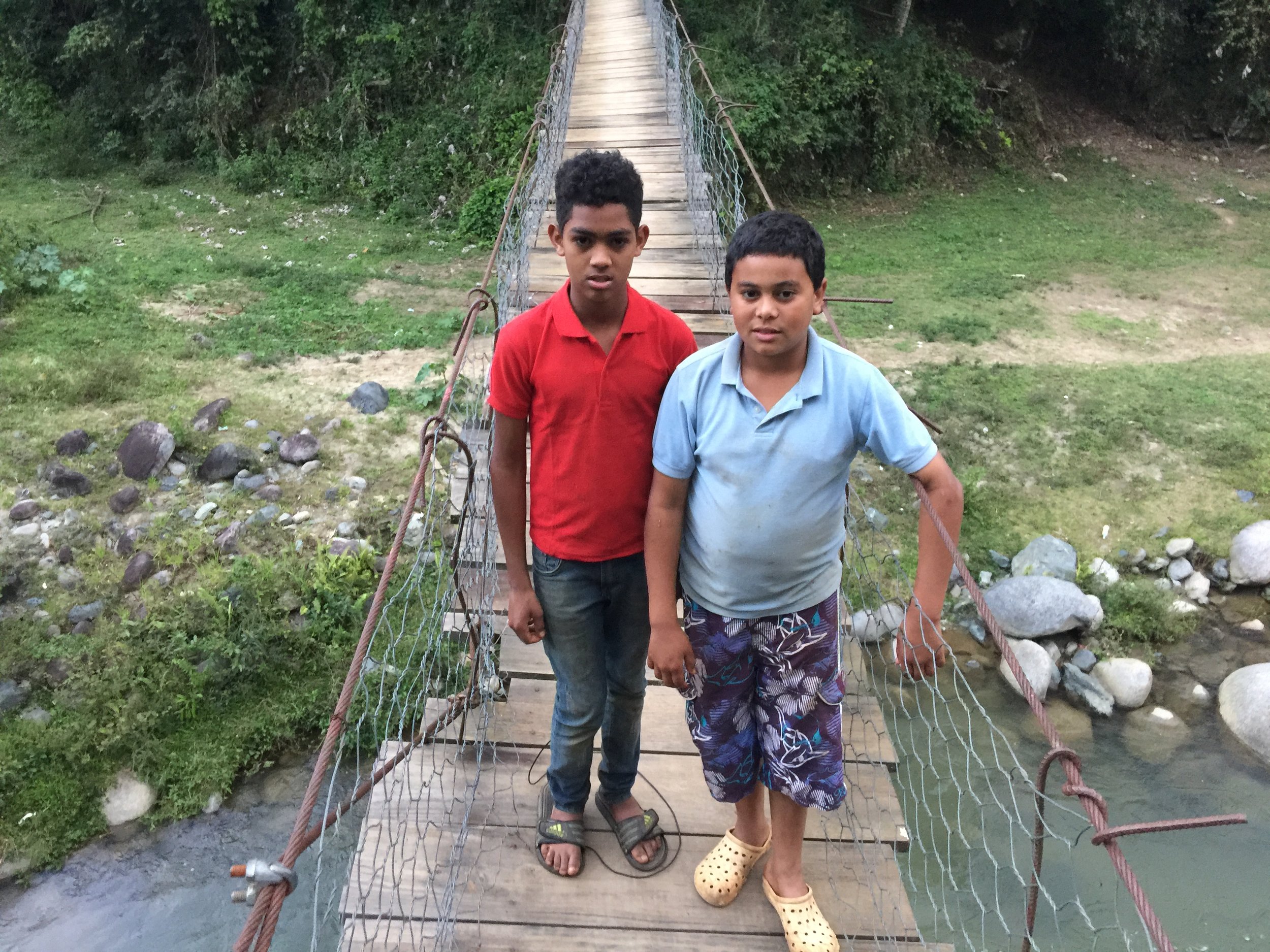
Below Photos from the Fieldwork and Documentation from the origin to the river mouth.






Oliver Olivo - Writer/Director/Producer
Nicole Quiñones - Producer

El Proyeccionista Film - Art Department (2017)

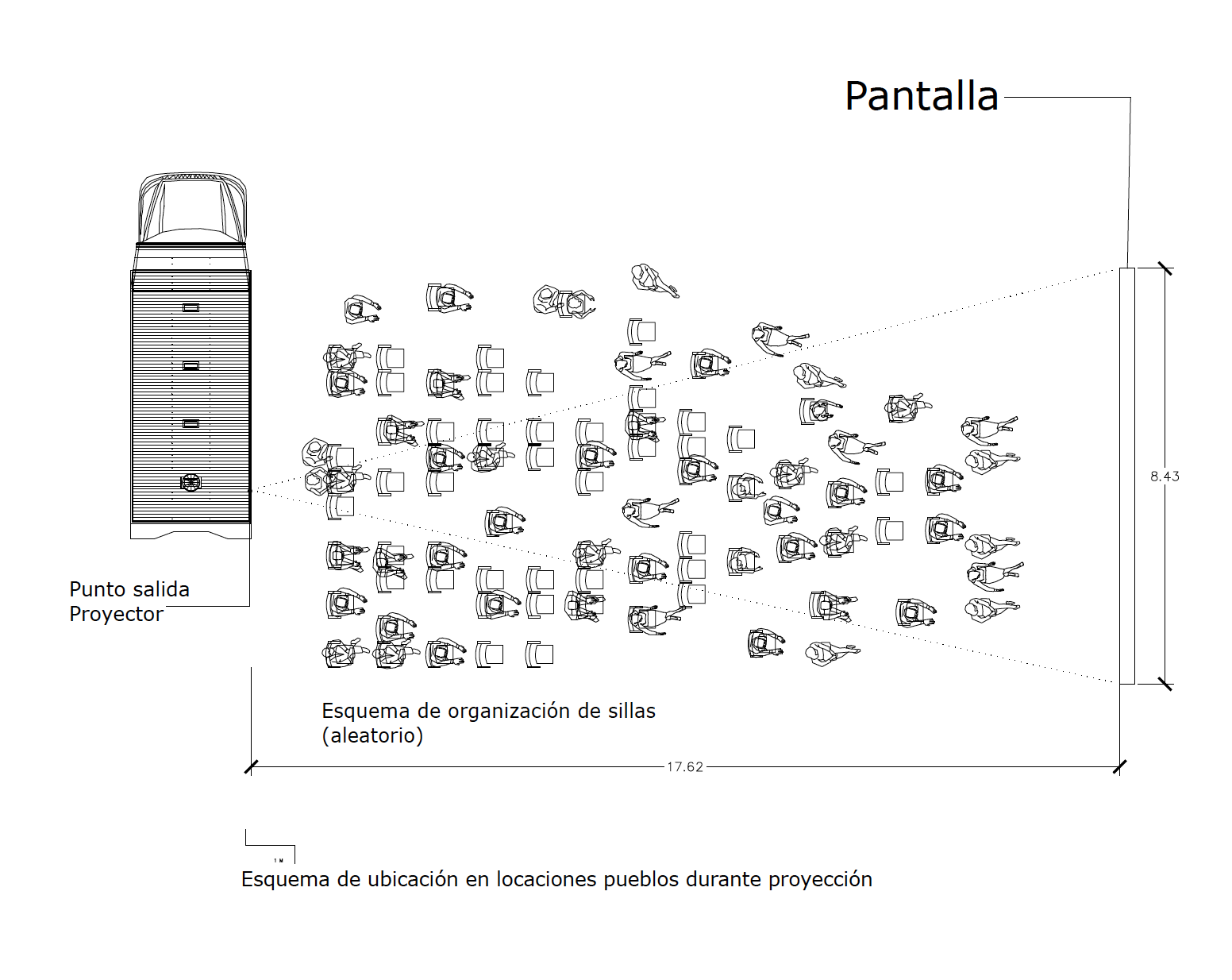
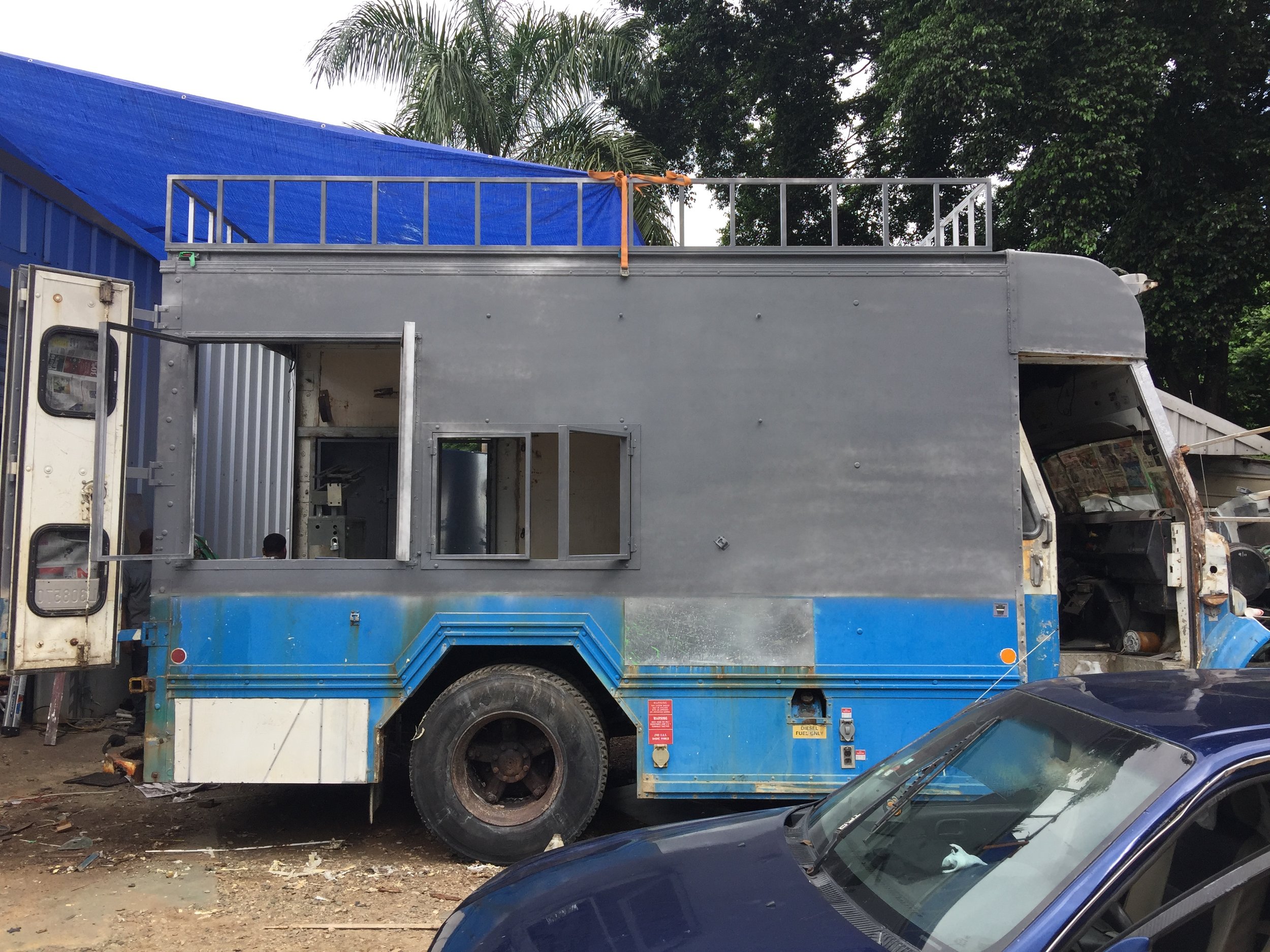
La Guagua del Cine / The Movie Van
Jose Maria Cabral - Writer Director
Juan Basanta - Producer
Rafi Mercado - Production Designer
Ezequiel Reyna - Art Director
Gabriela Sobrino - Set Designer/Decorator
Brandon Russo - Prop Master
Oliver Olivo - Production Designer Assistant and Designer. (in charge of the Truck Design, Construction, Supervision and of the entire setting of the projection scenes including the movie screen - In addition also worked as graphic designer, collaboration with Set Designer on severals set designs throughout the production)
Truck design and construction process photos slideshow. (click over image to slide)






Film Sinopsis
"In the solitude of his house, Eliseo is accompanied by projections of a woman he doesn’t know but whom he is infatuated by. One day, the film rolls get burnt but what remains plummet him in a search to find her. To accomplish it without money he has to appeal to all he knows, project movies, because he finds a film roll of her that indicates a location on the other extremity of the island, and to cover the expenses of the trip he has to project movies from town to town in the most remote and poorest areas of the Dominican Republic. Along the way he meets Rubi, a young woman who is completely the opposite of him but they create an empathy that leads them to discover truths of each other."
Photos slideshow of other works throughout the production process


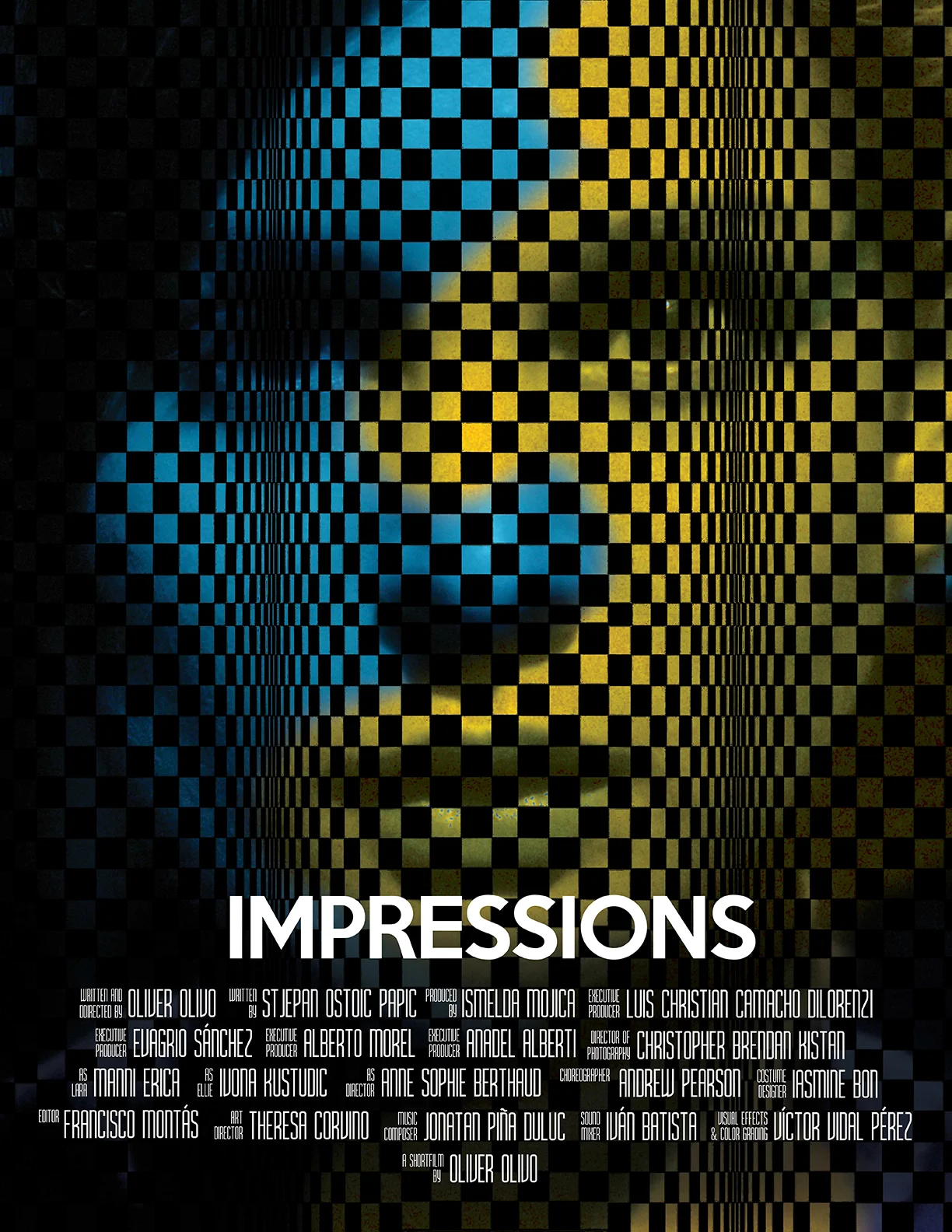
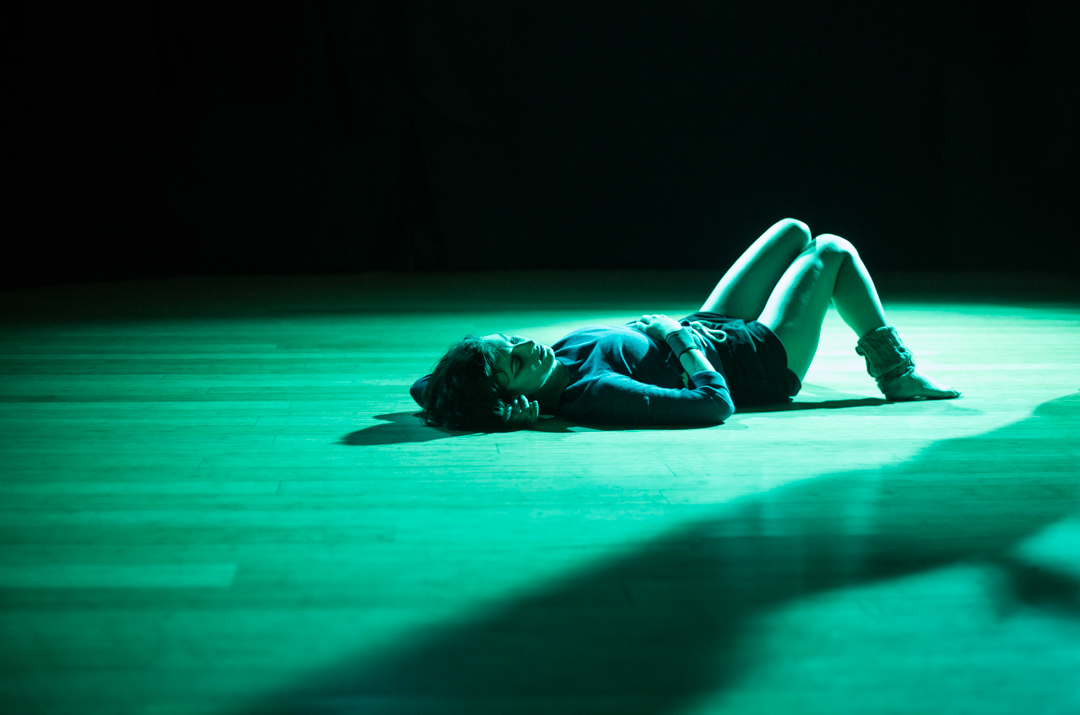
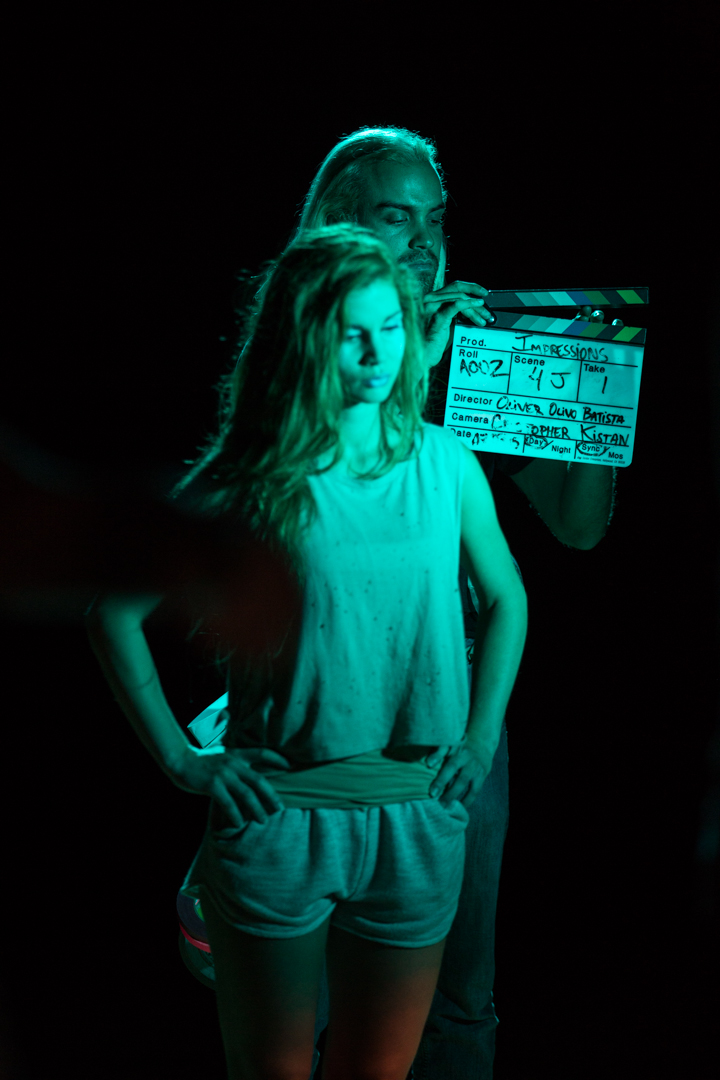
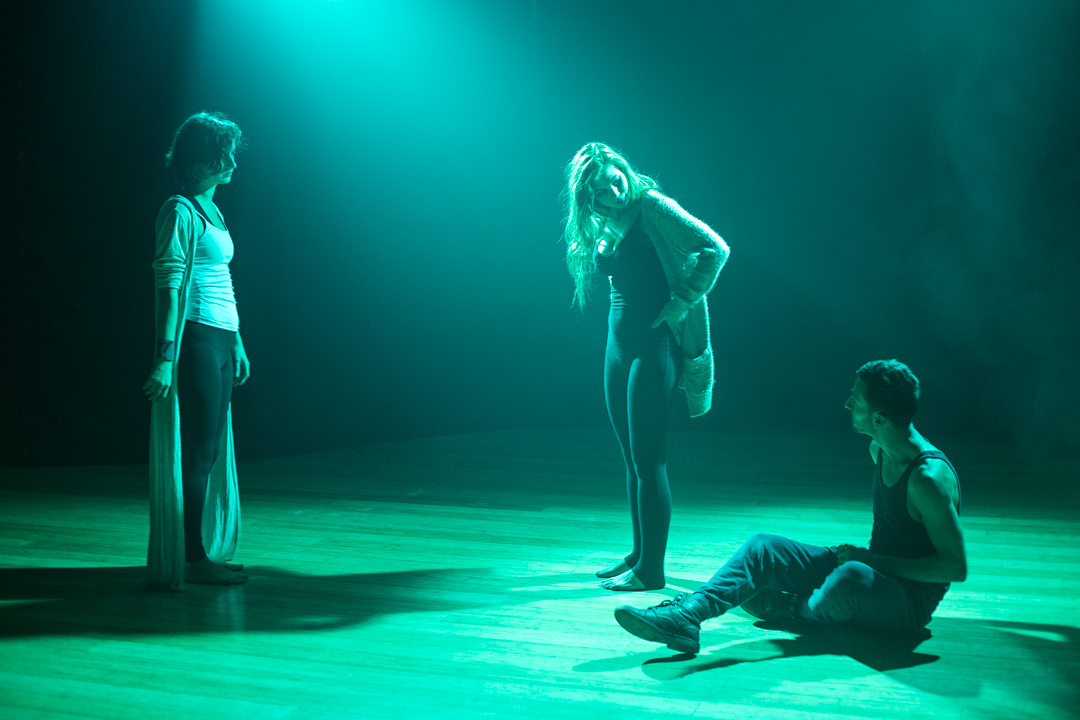
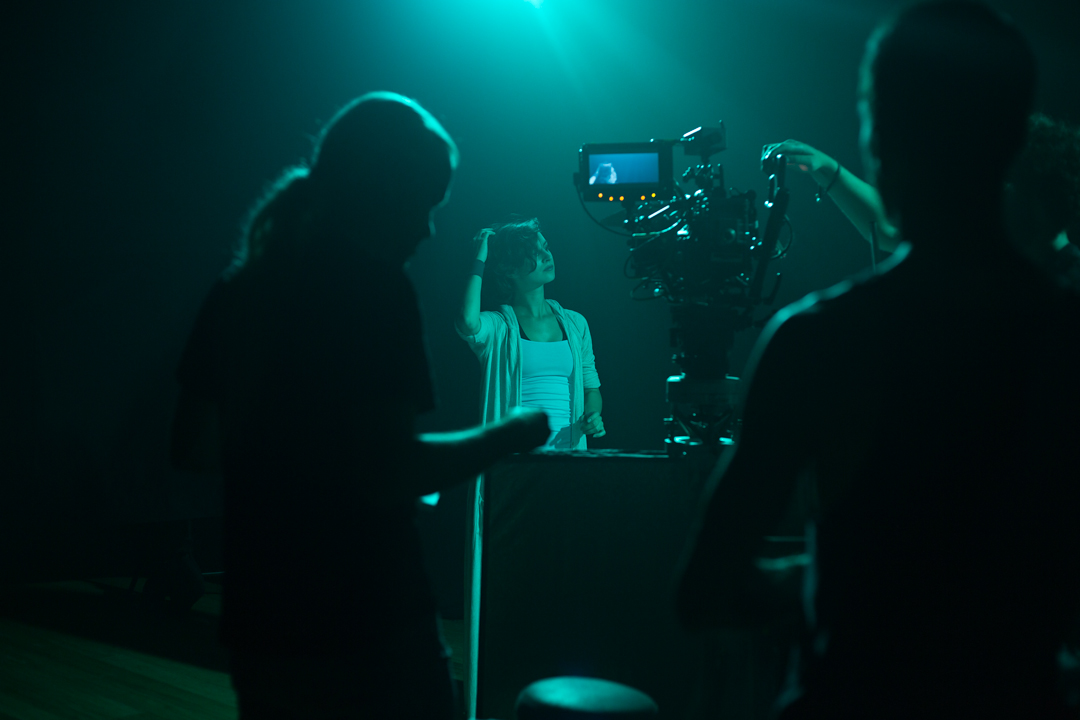
Impressions - (2018)

"A talented, but emotionally unstable dancer competes for the lead role in a production only to find herself struggling to keep her legs from her own demons."
Work in Progress.
Estimated Budget: $$$ / $$$$$
Trailer
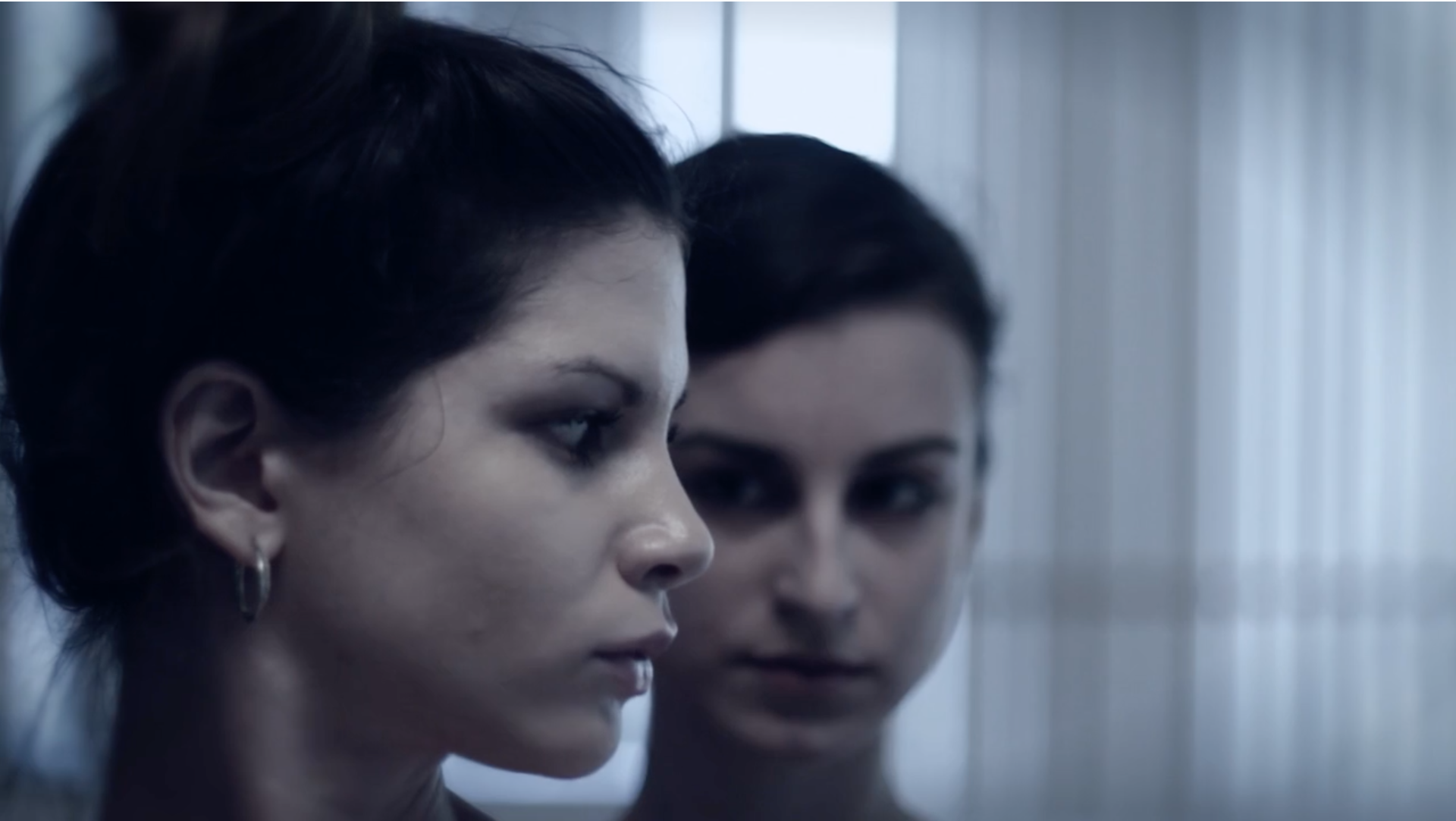
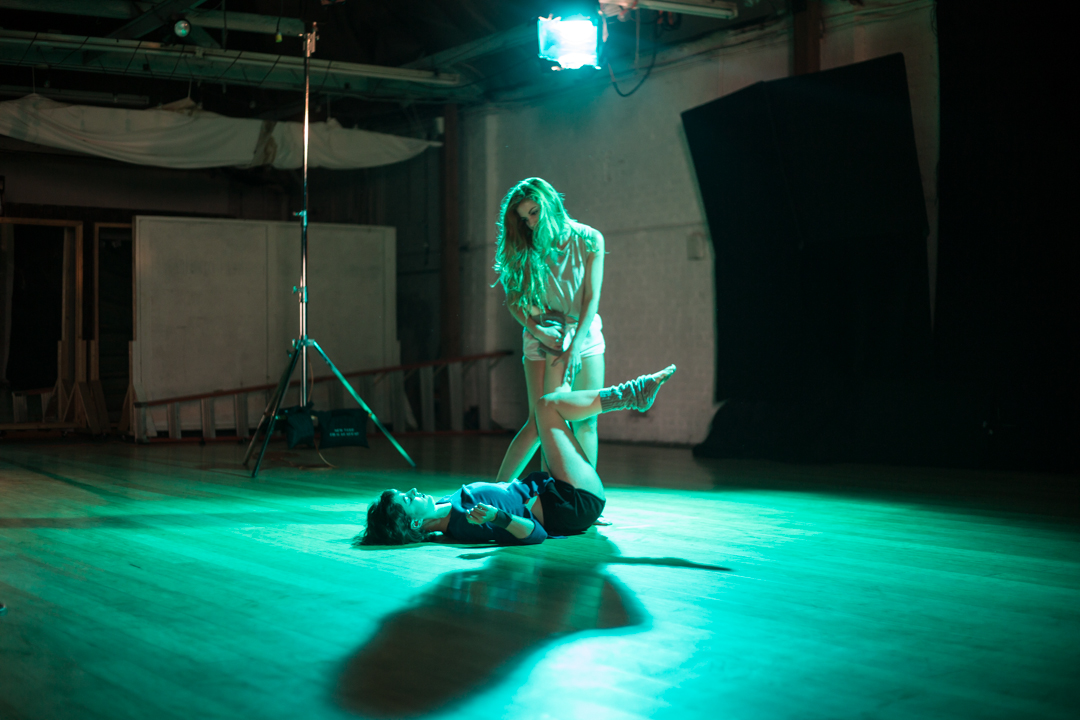
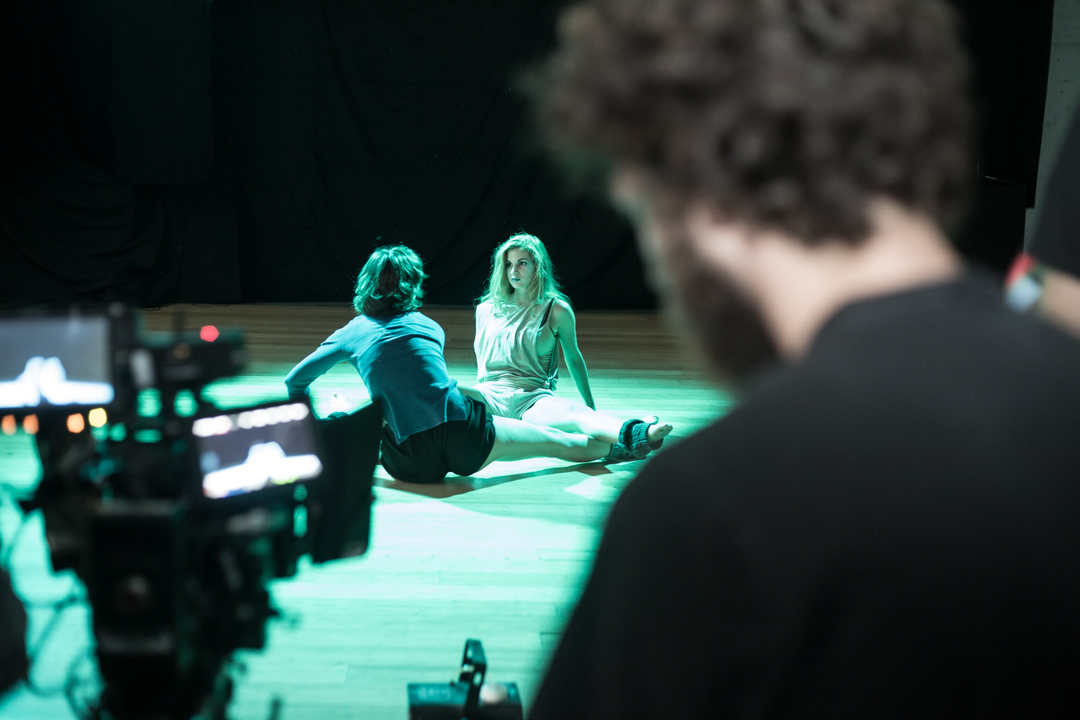
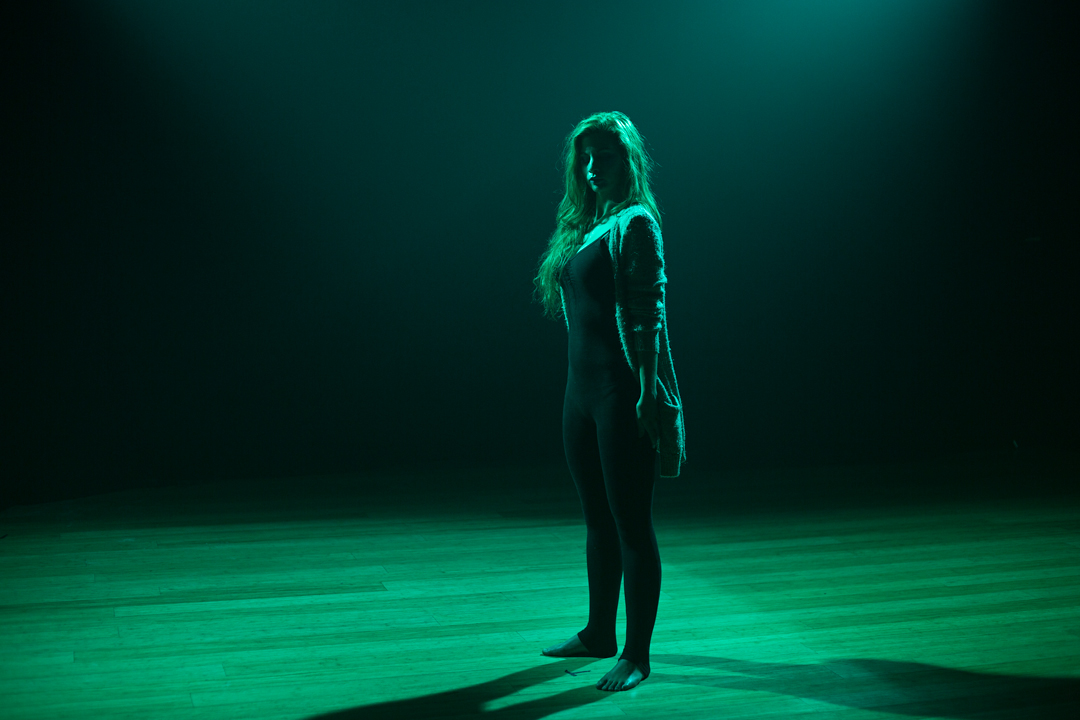
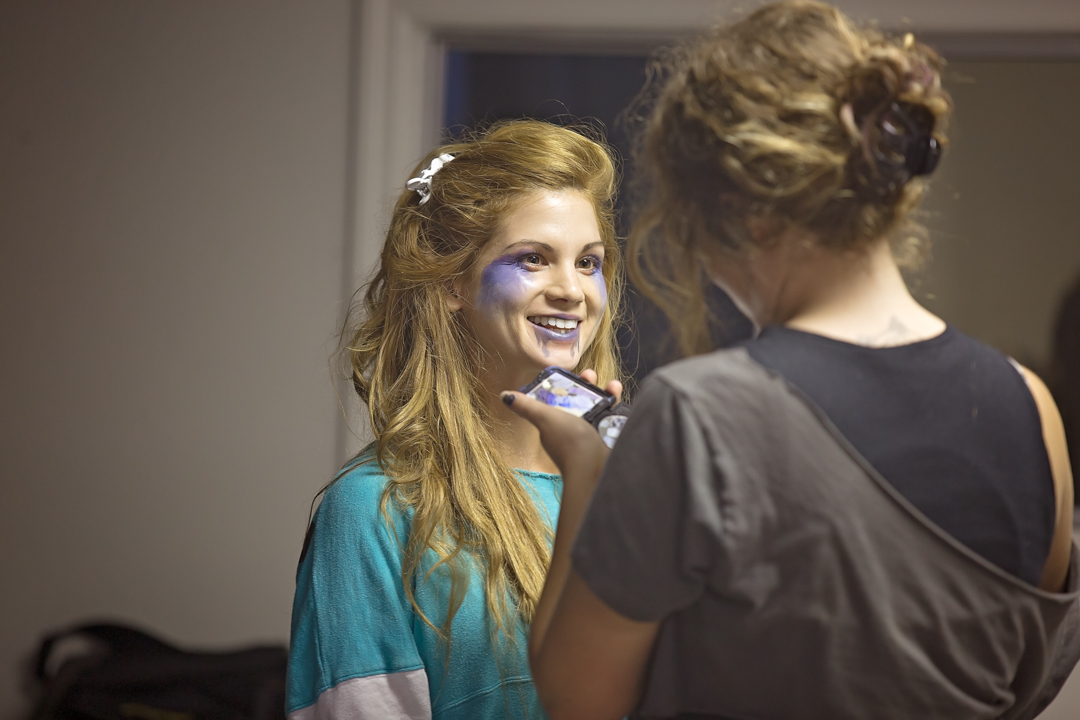
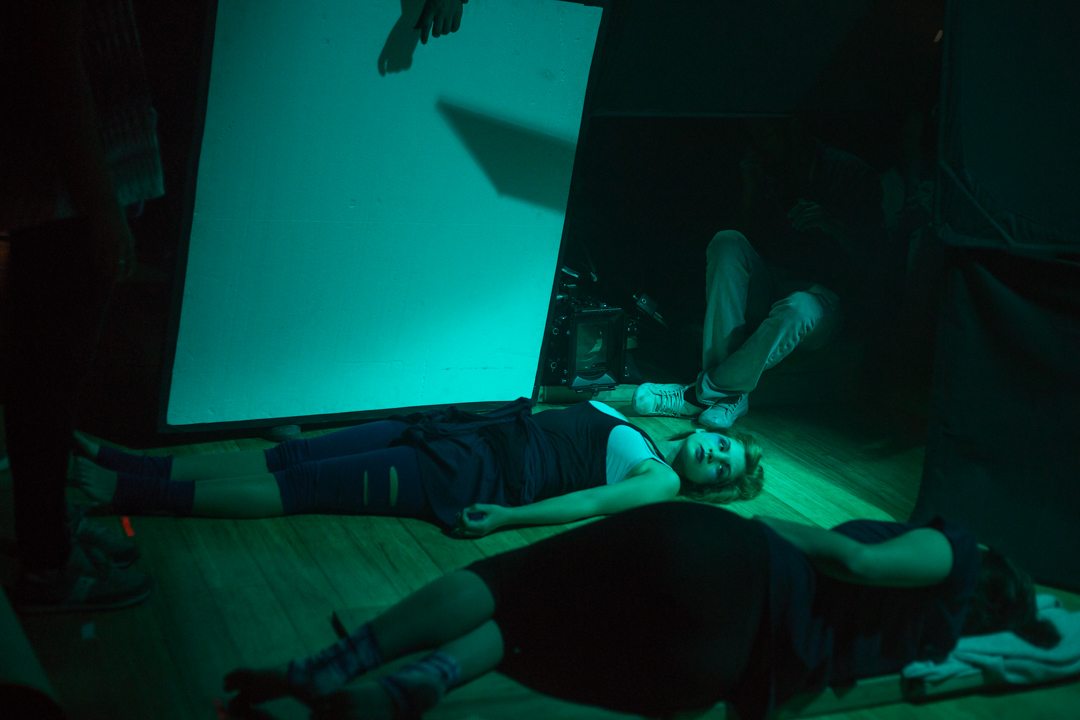
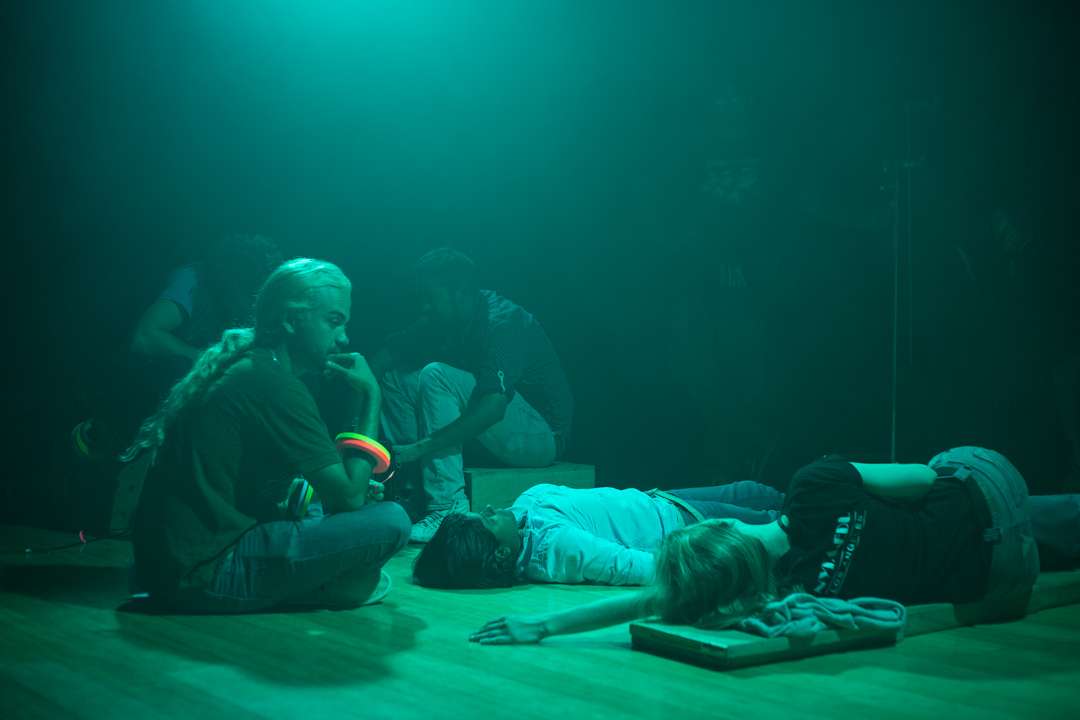
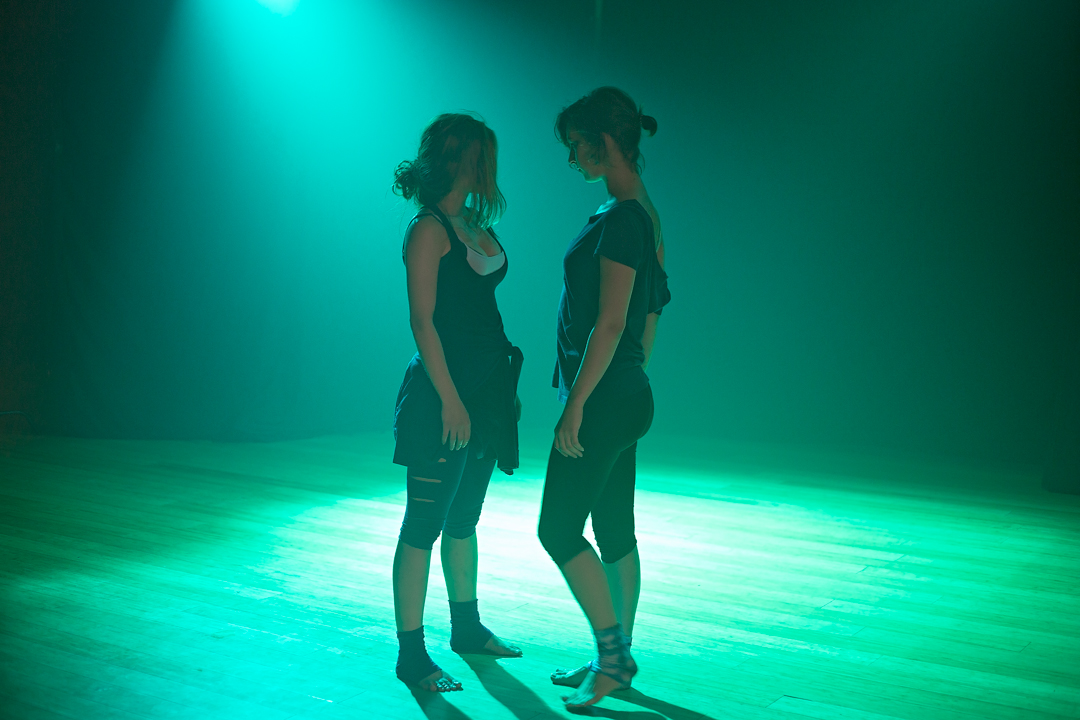
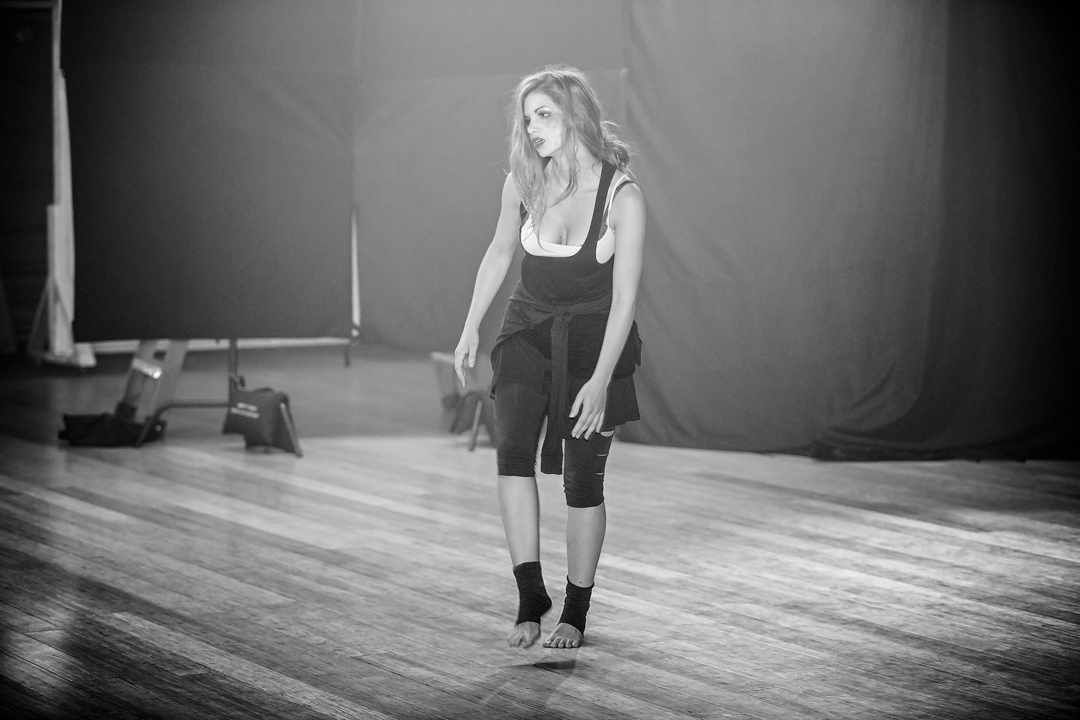
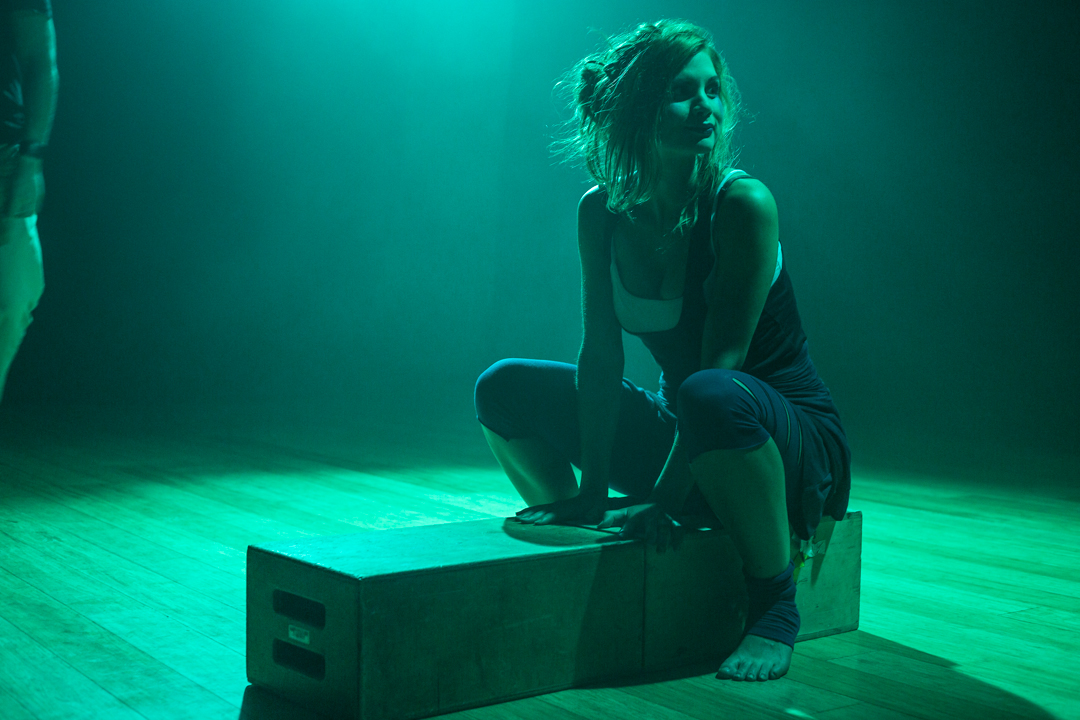
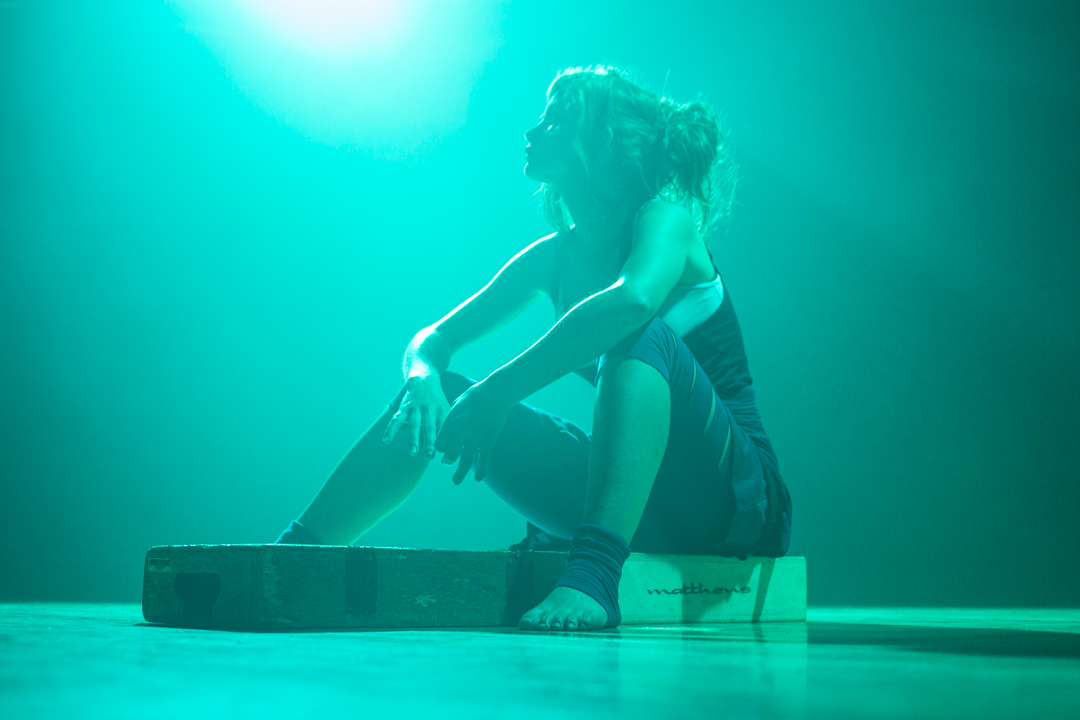
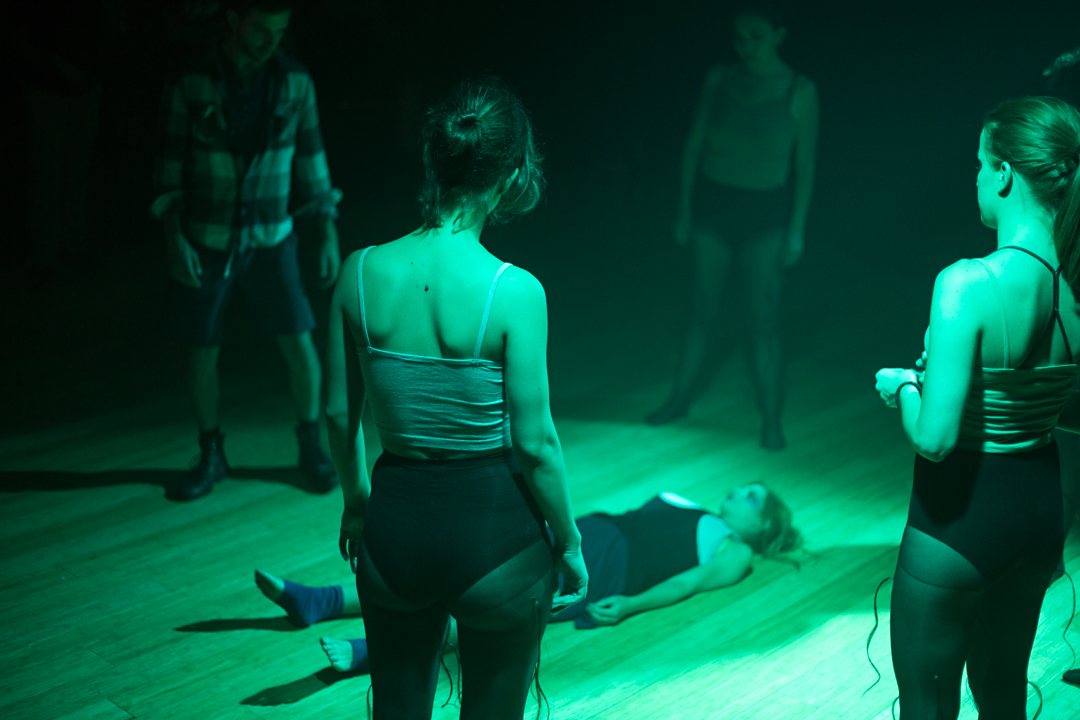
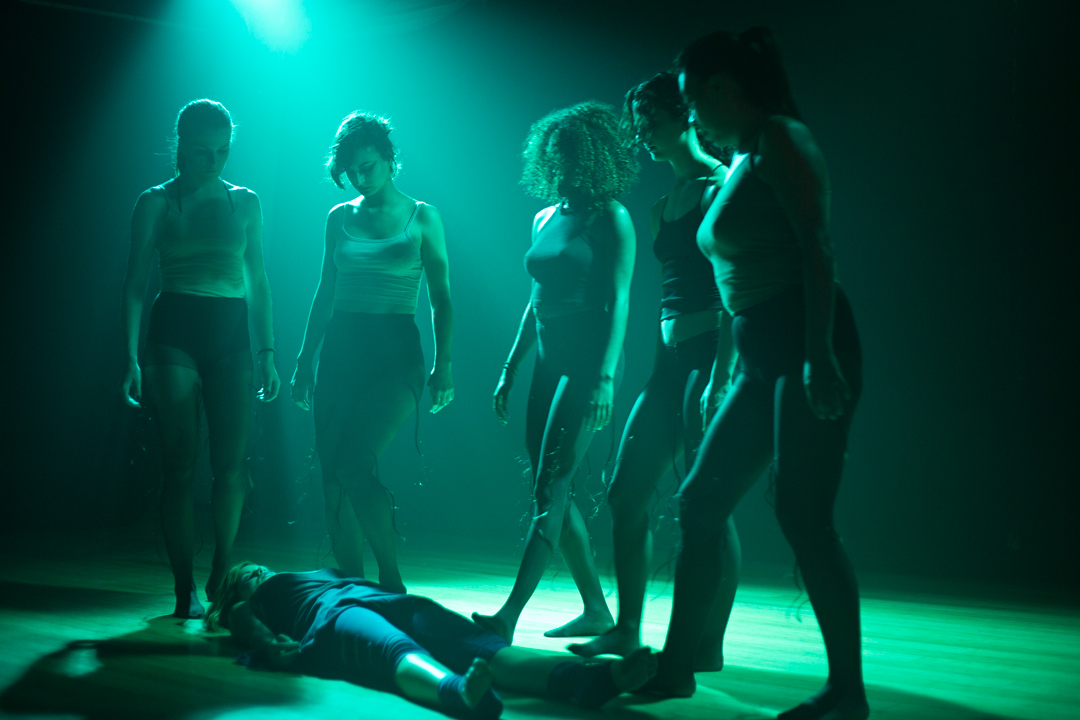
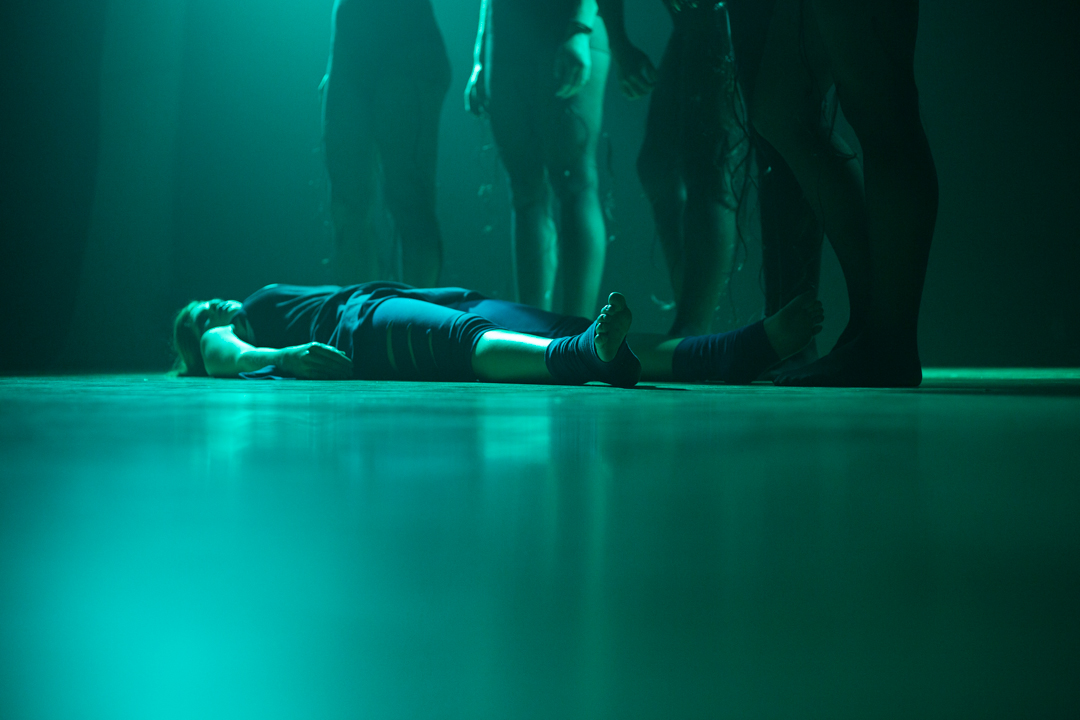
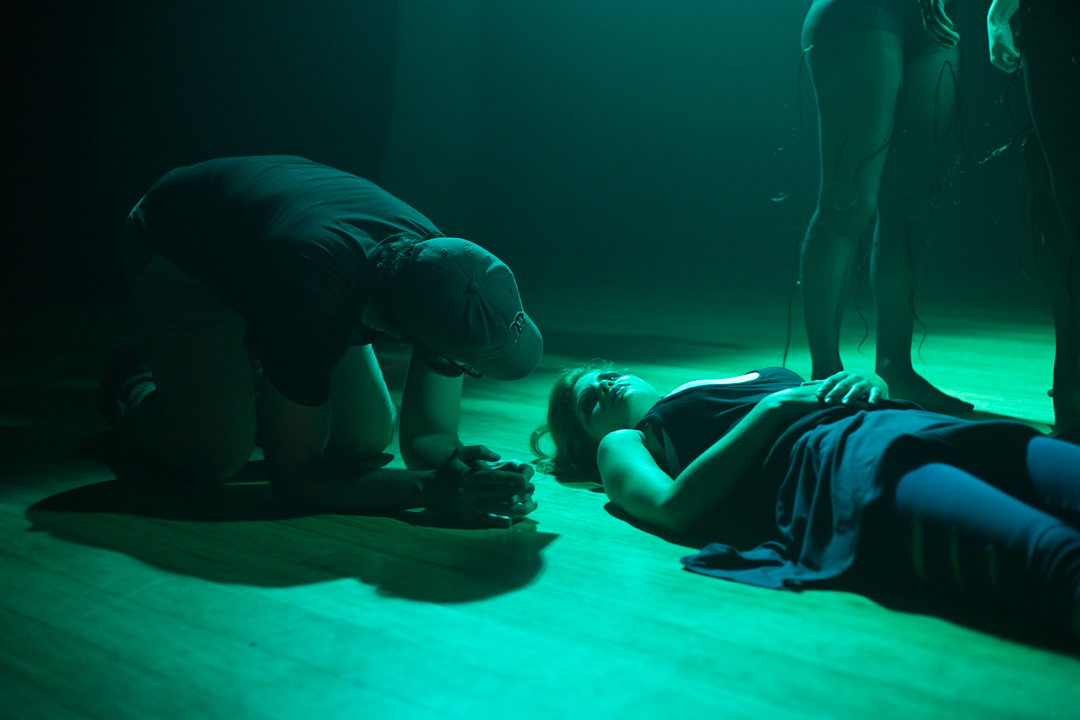
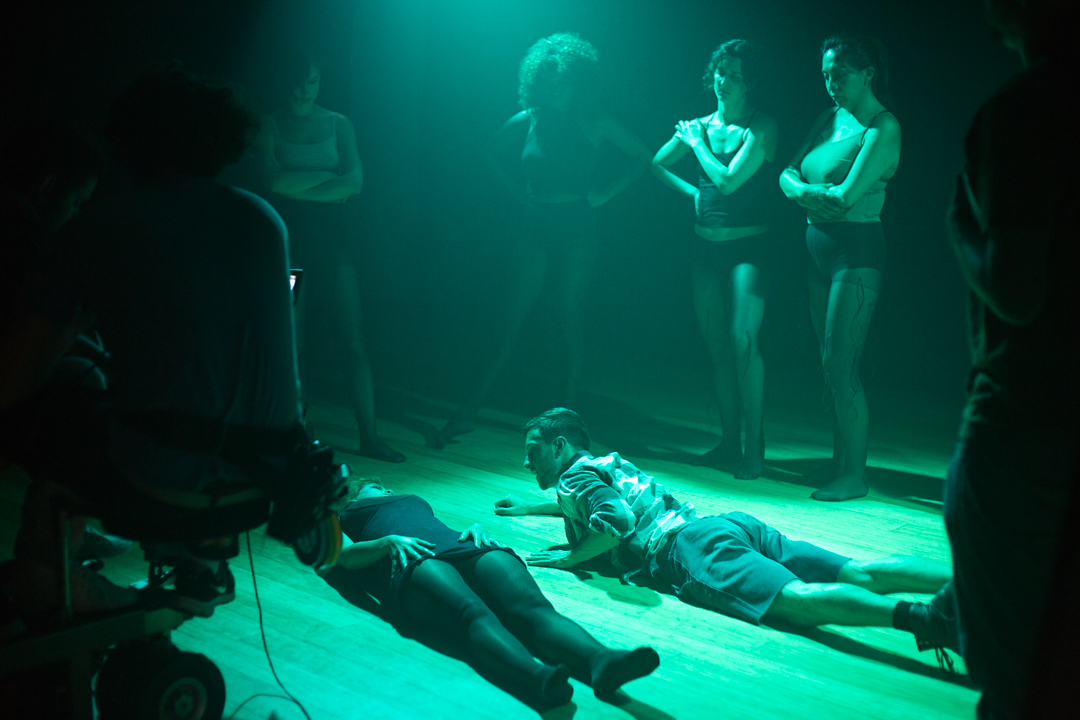
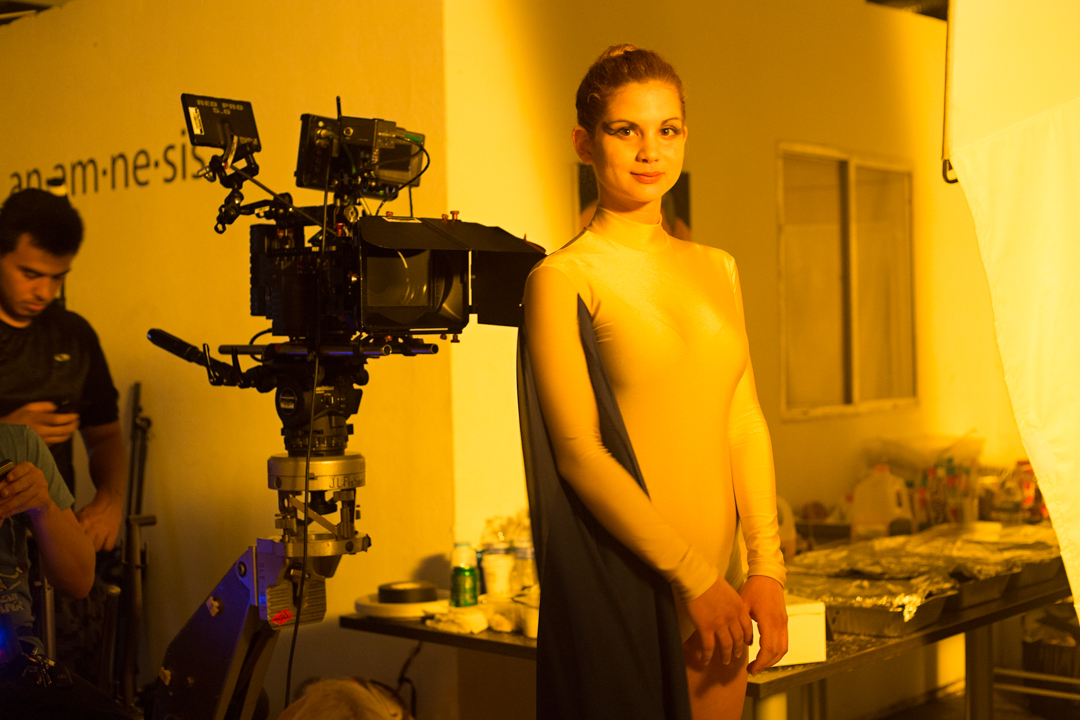
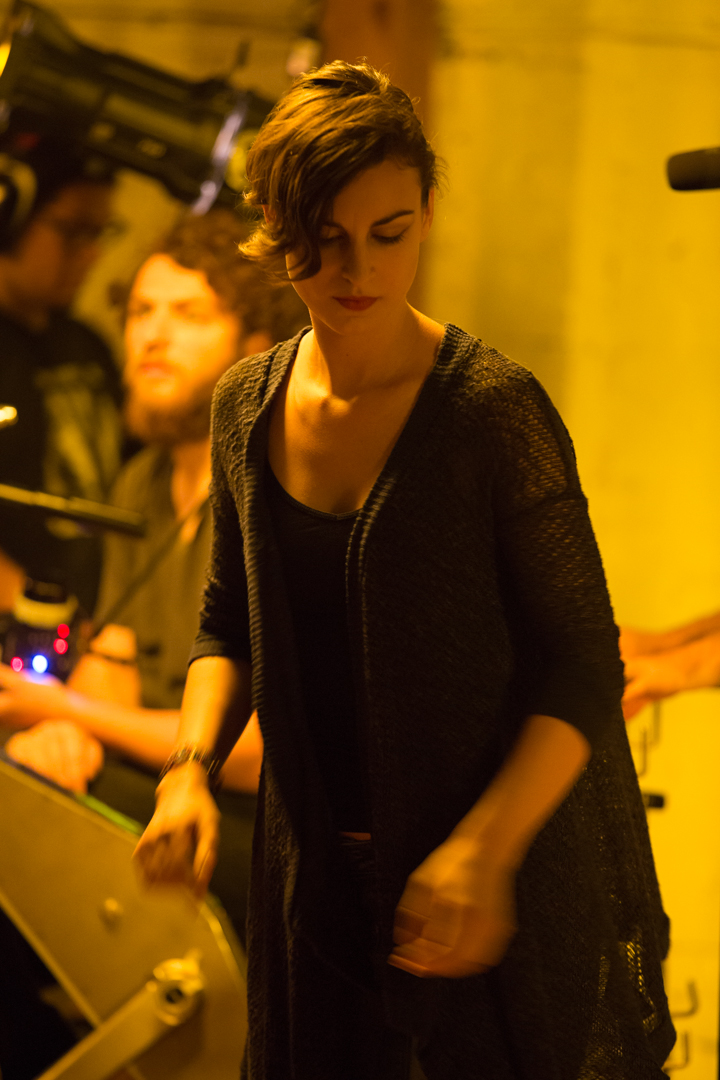
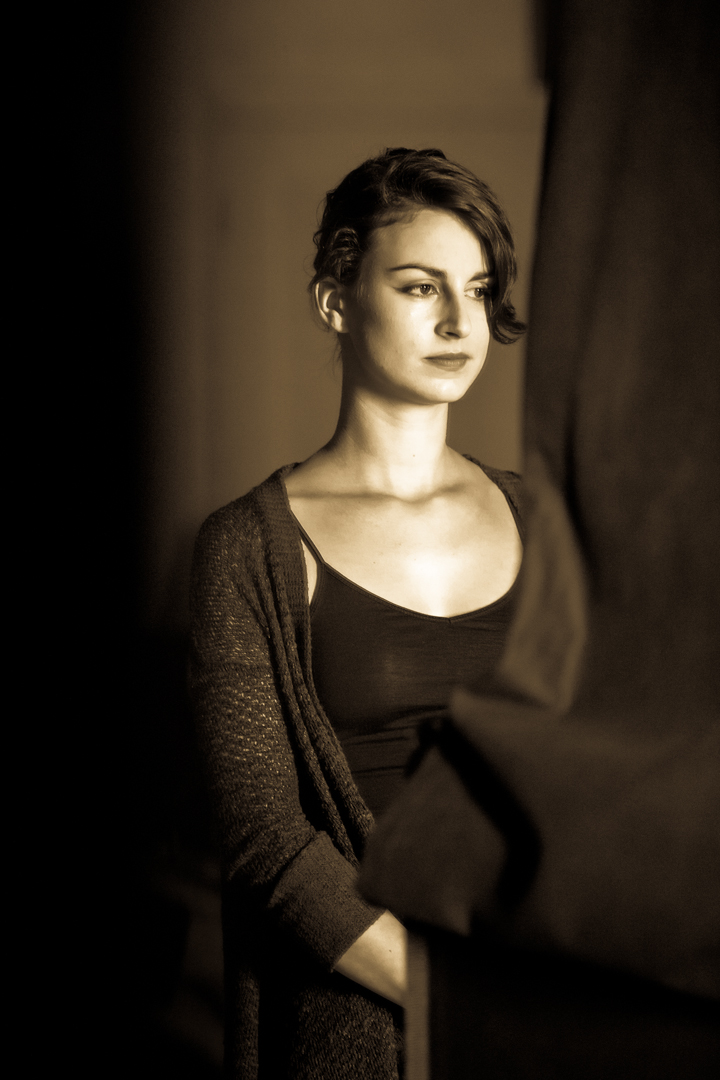
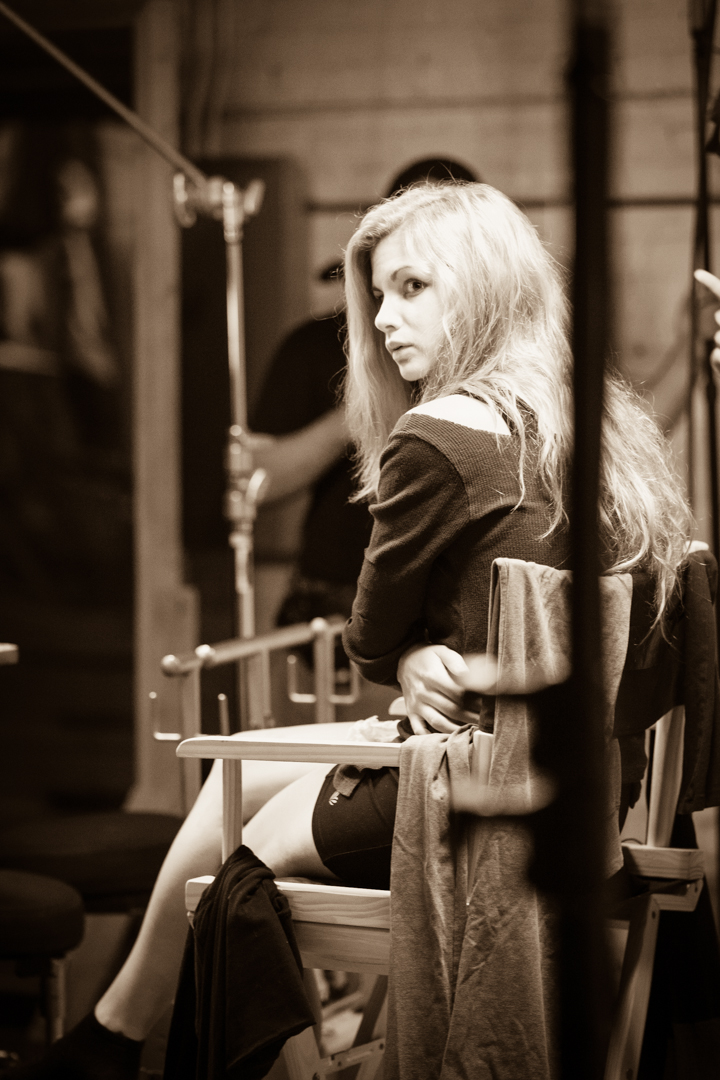
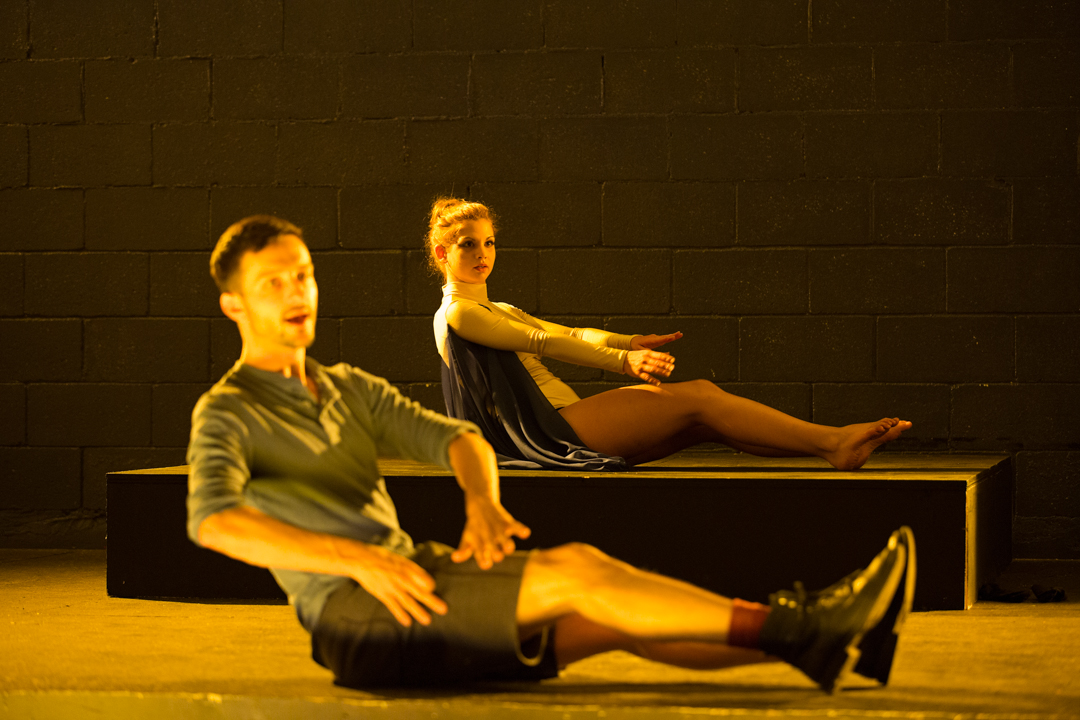
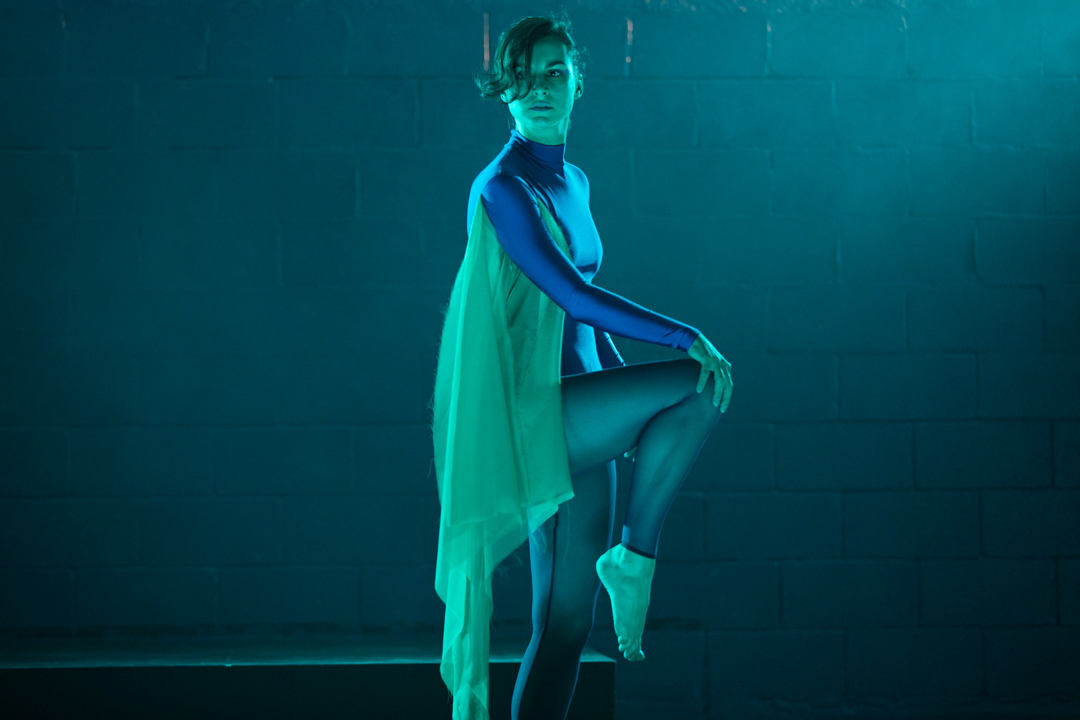
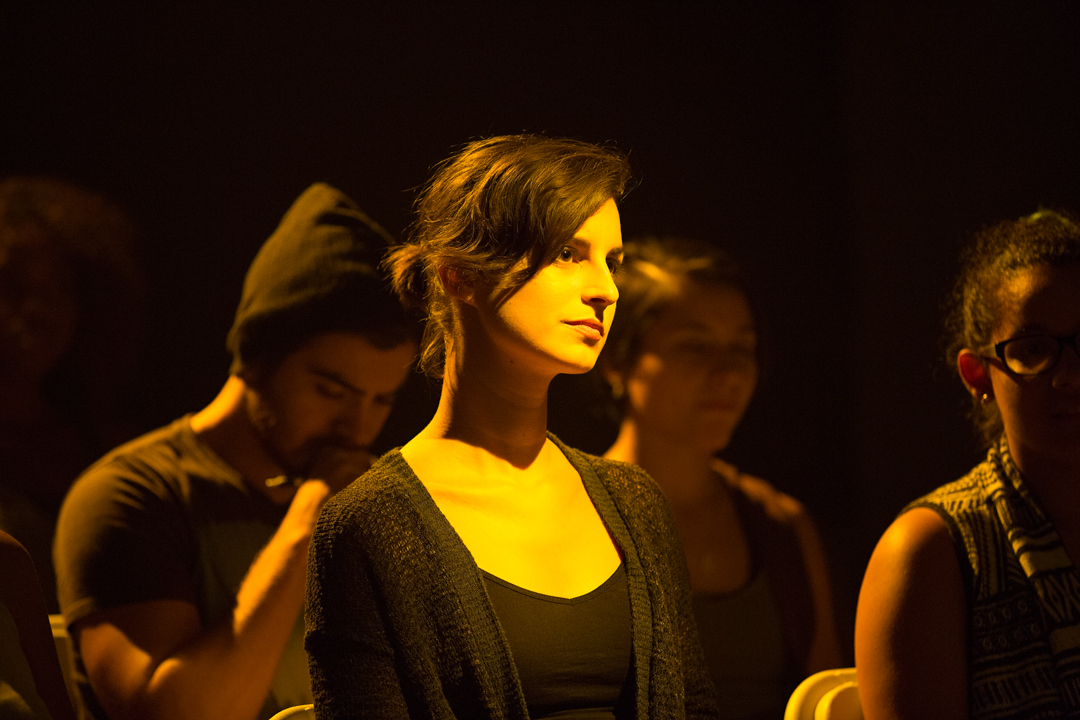
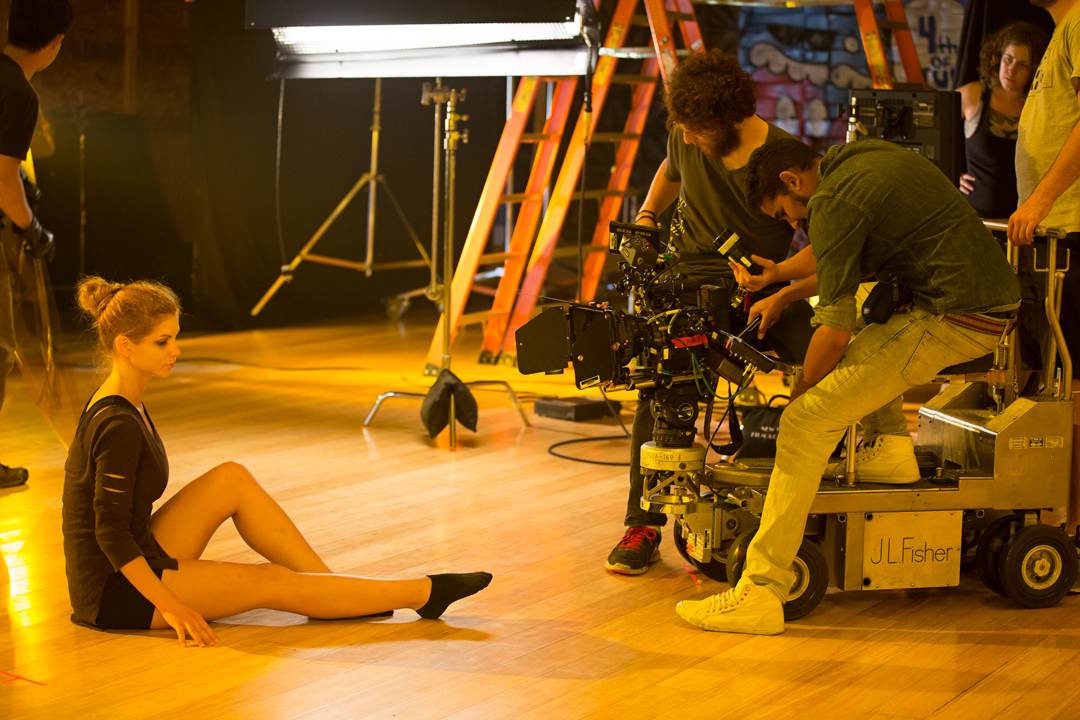
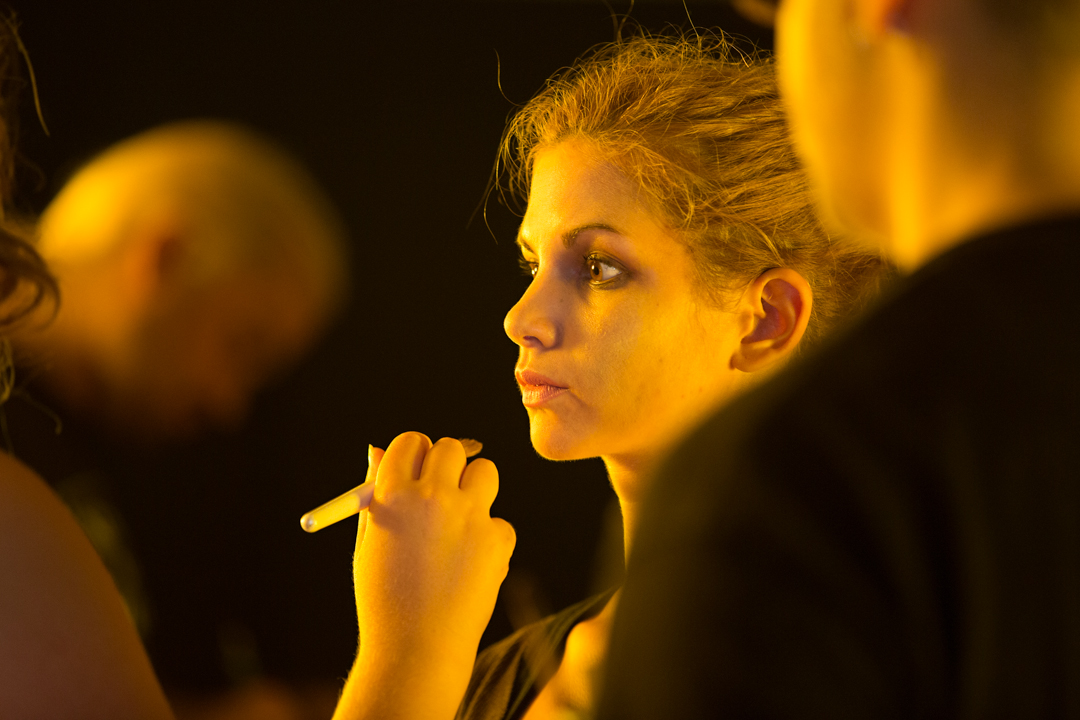

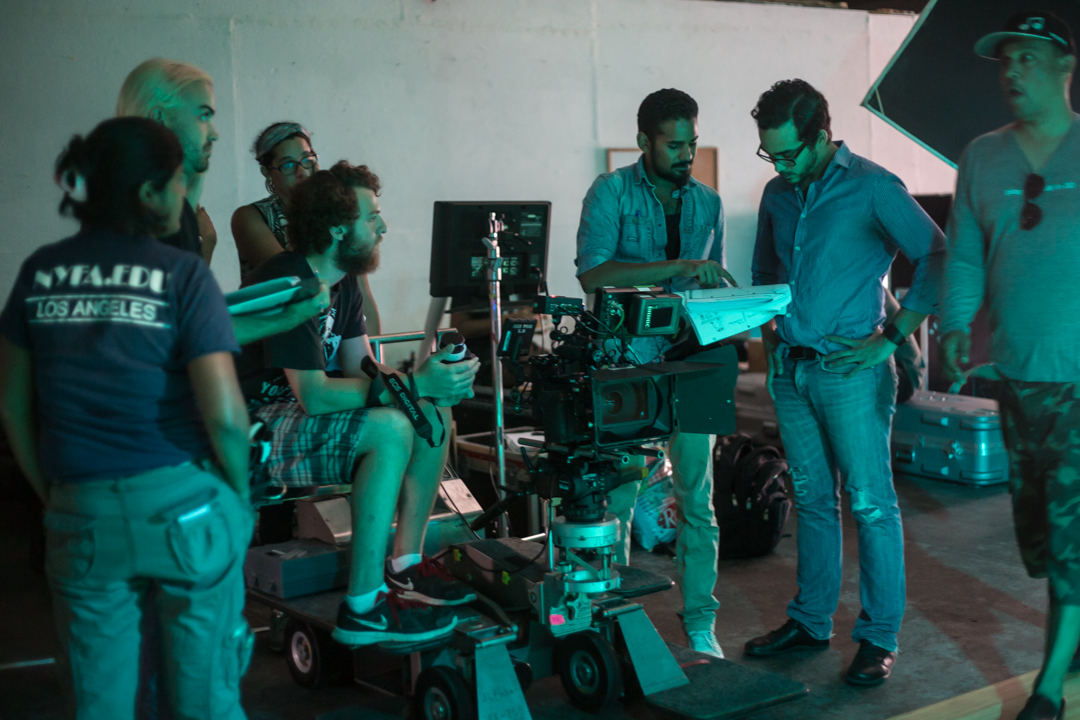
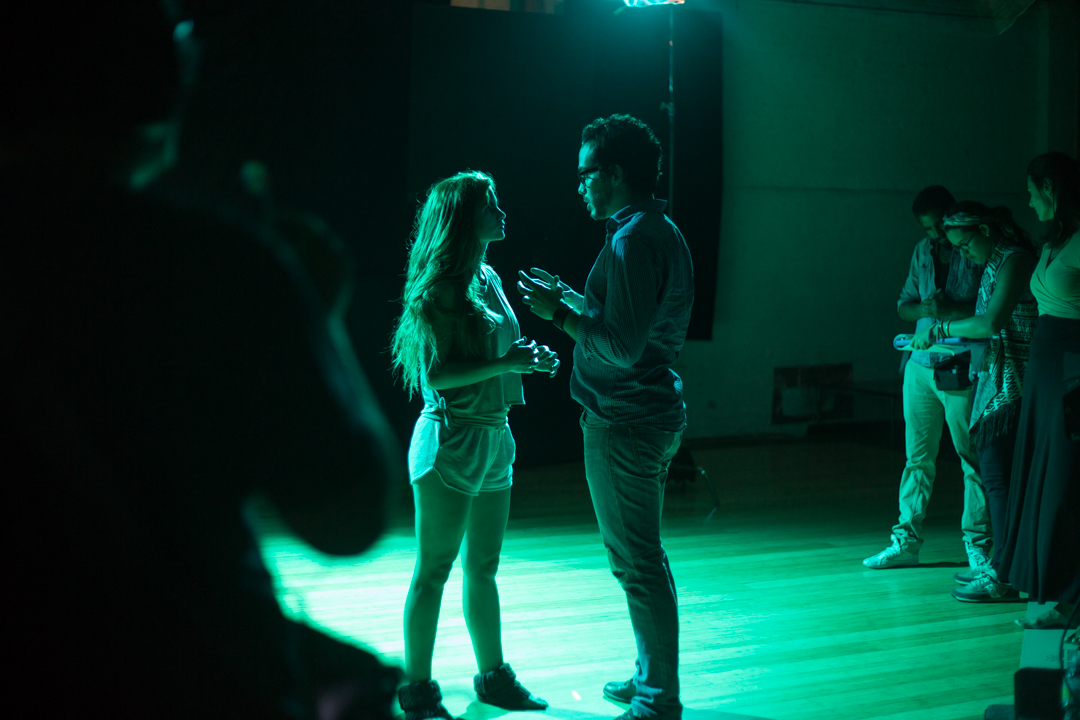
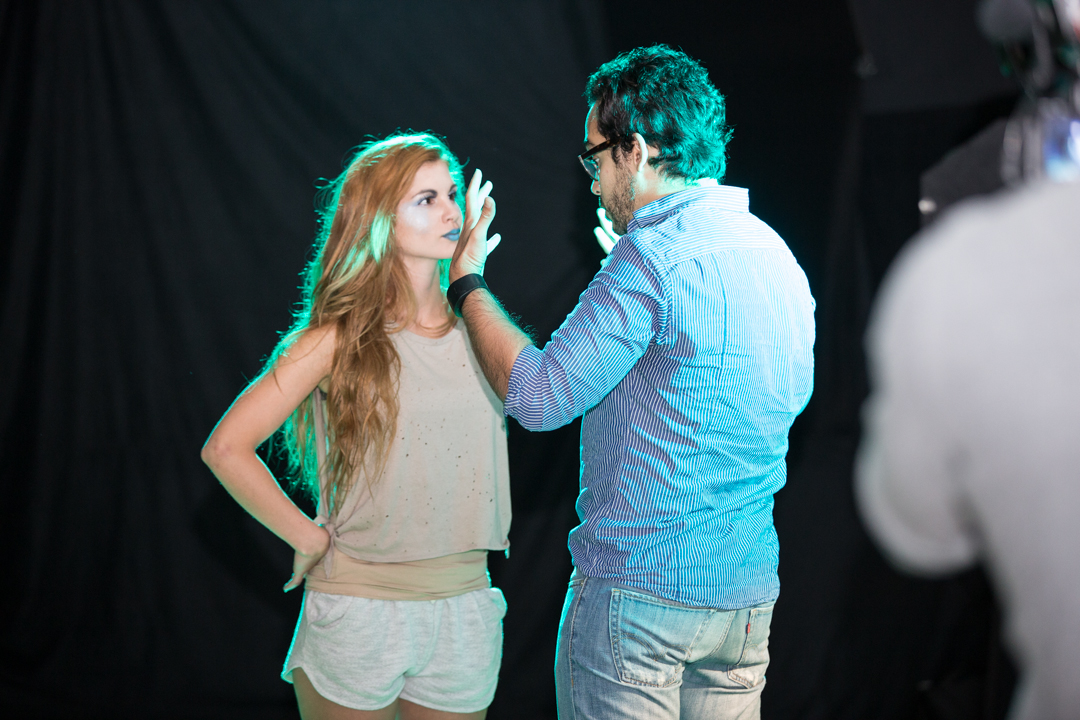
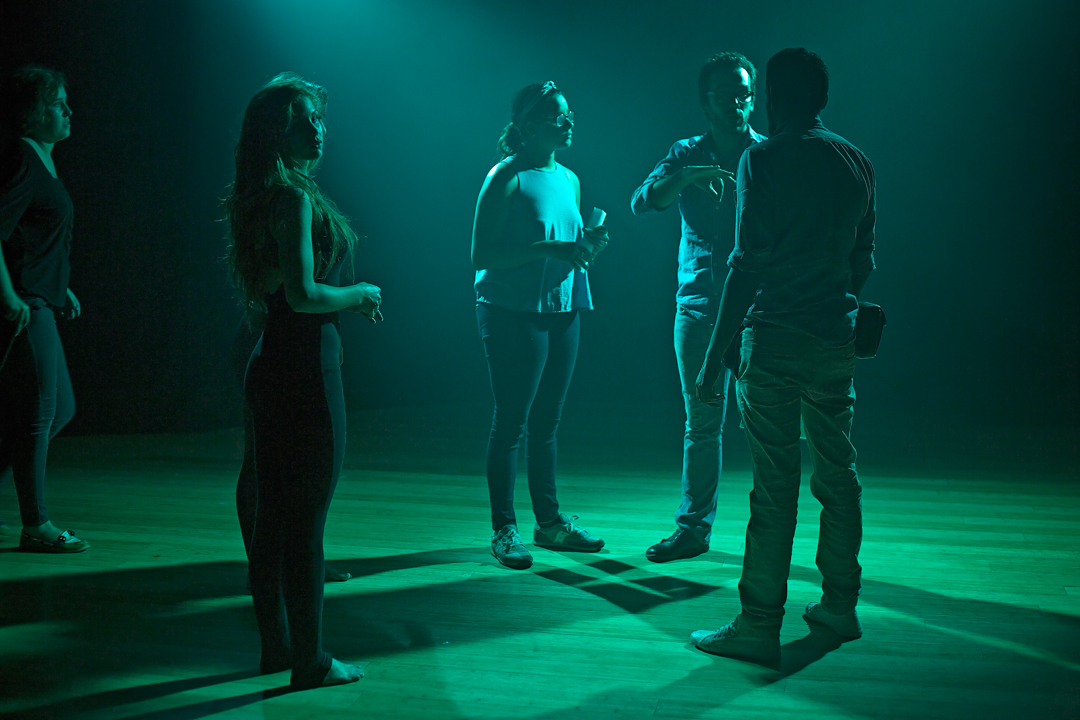
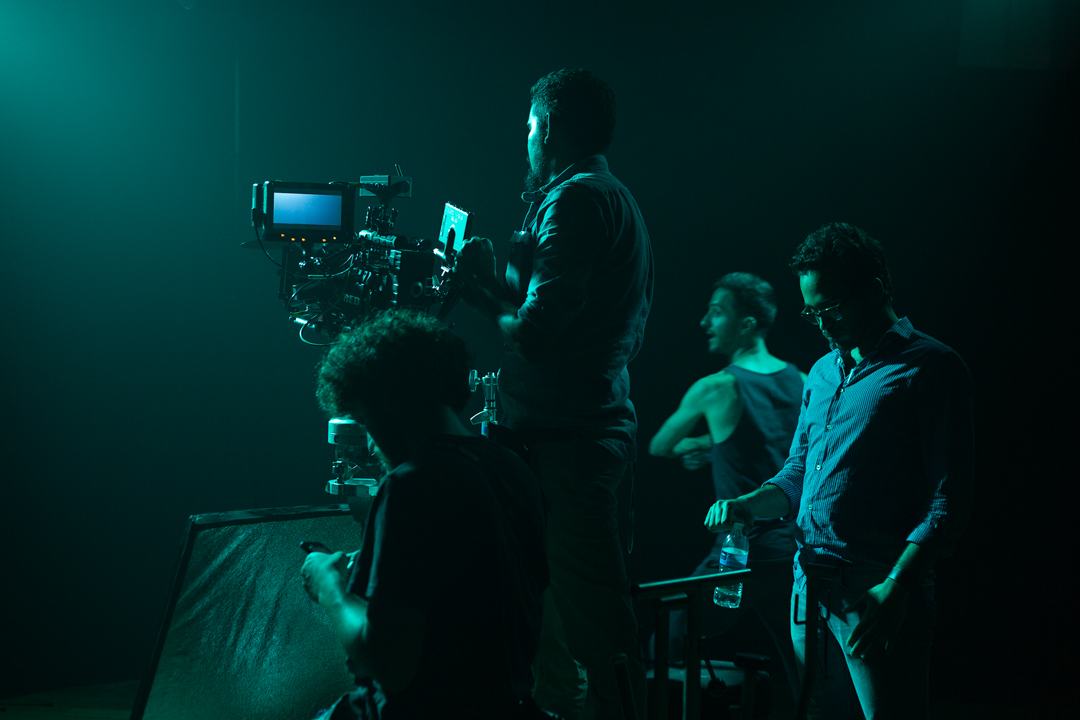
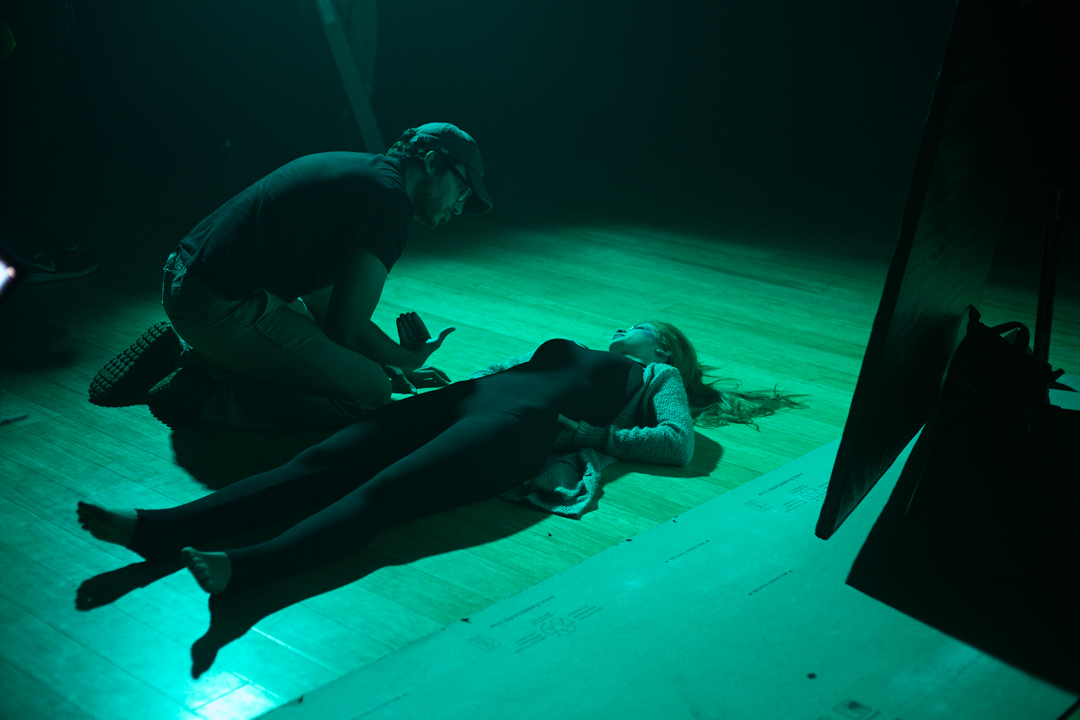
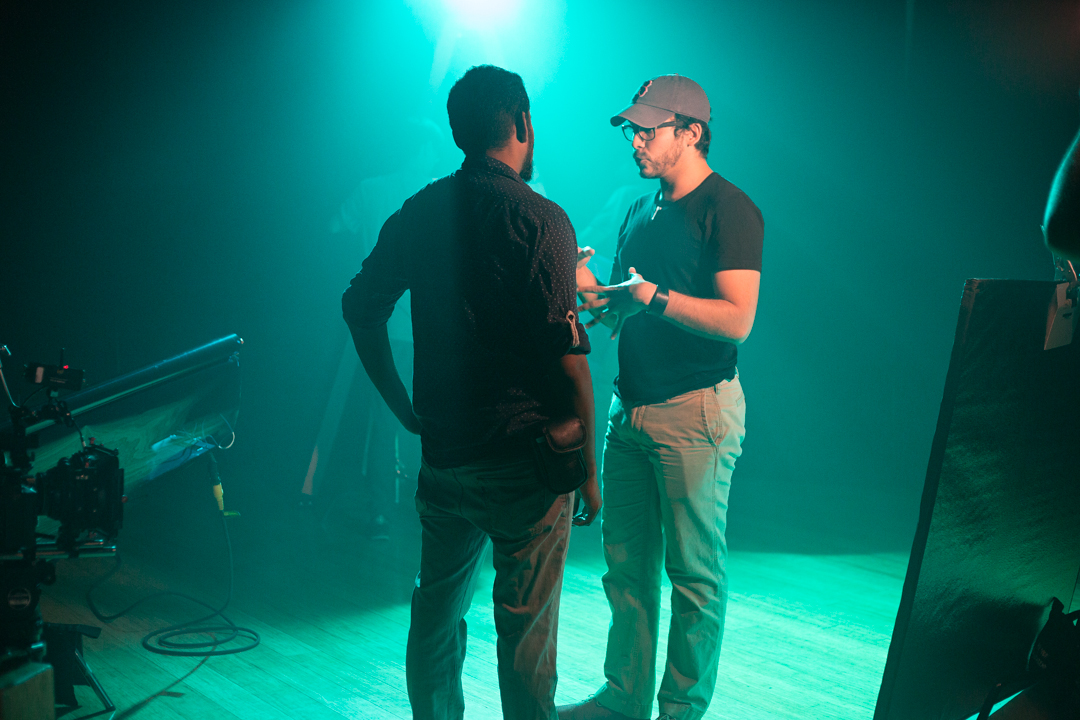
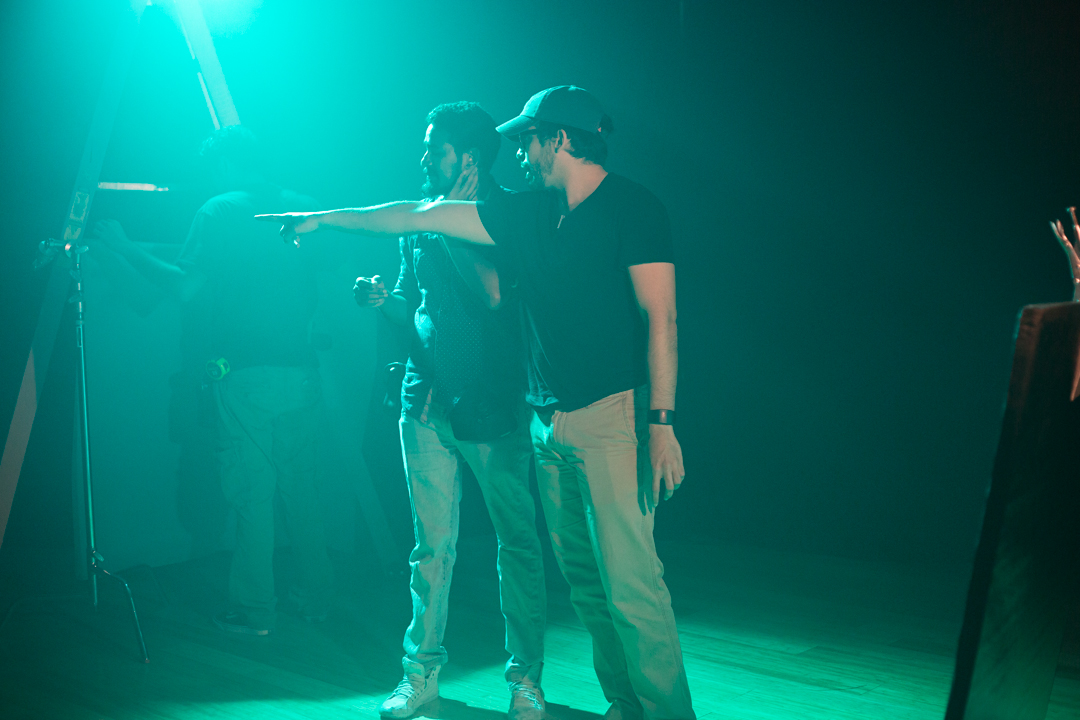
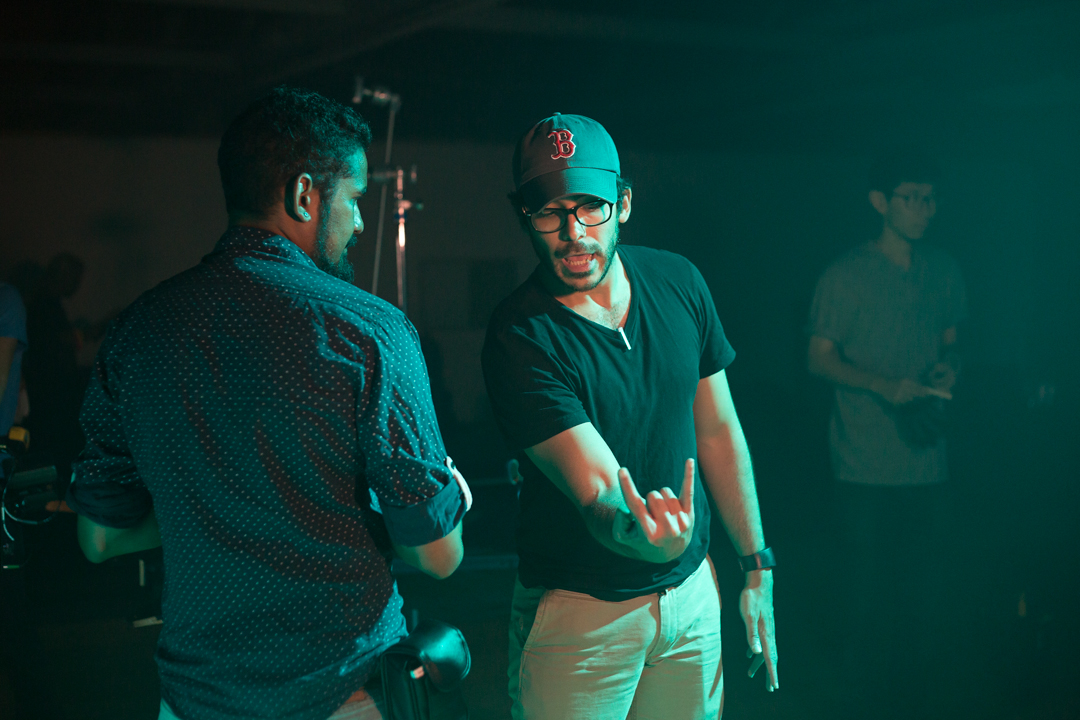
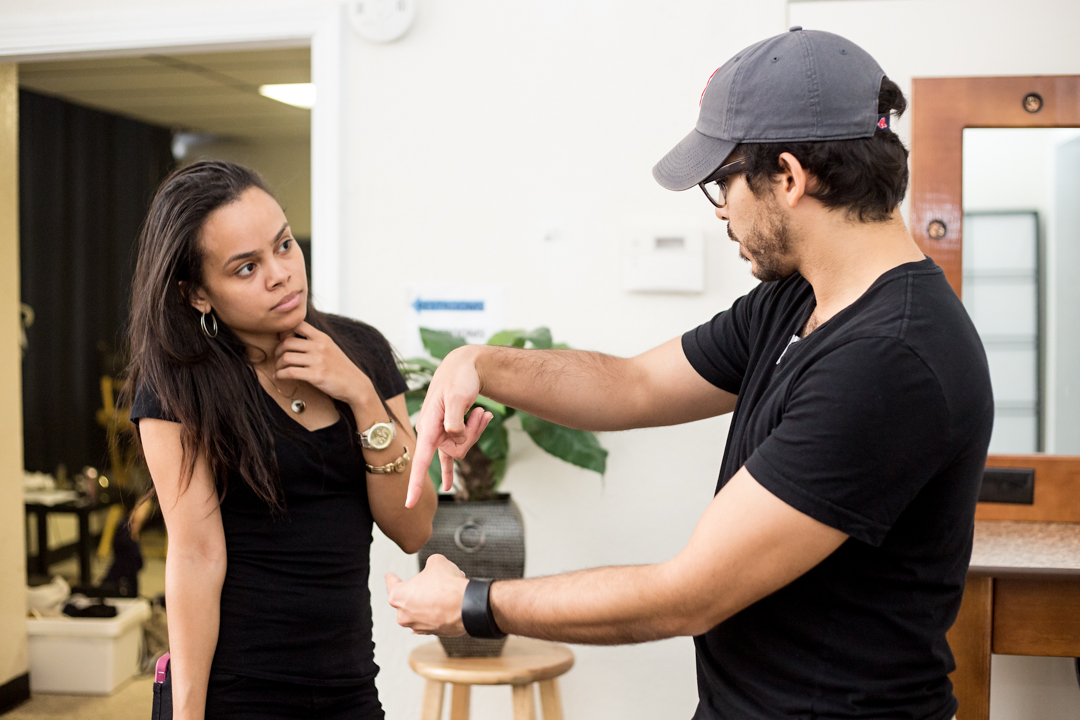
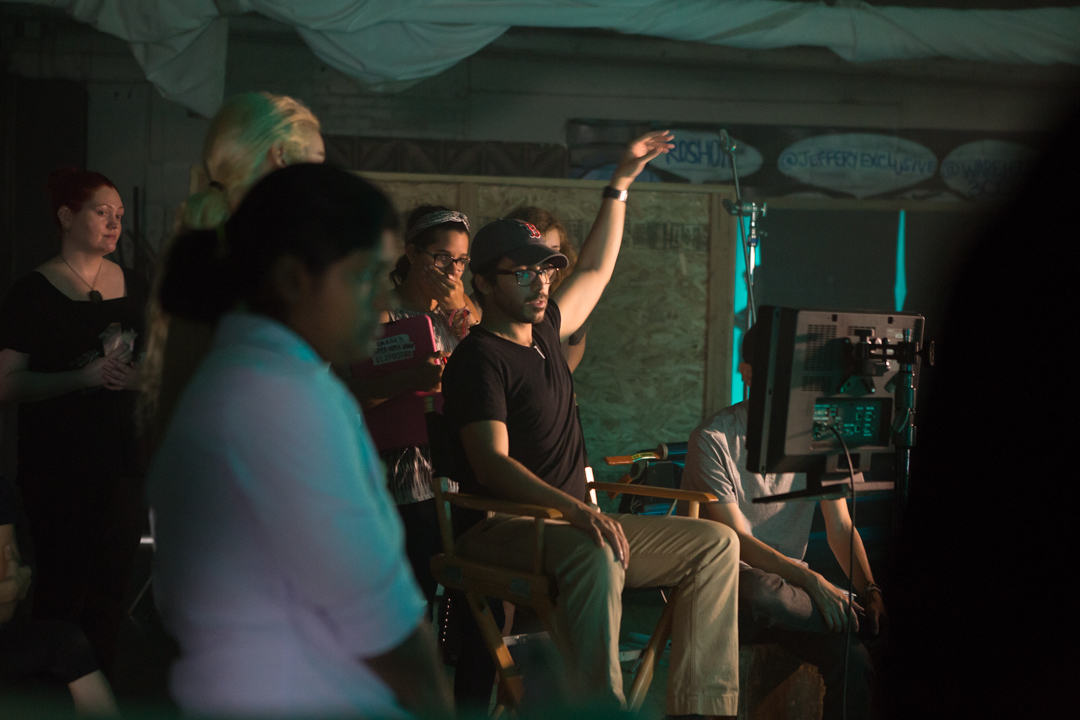
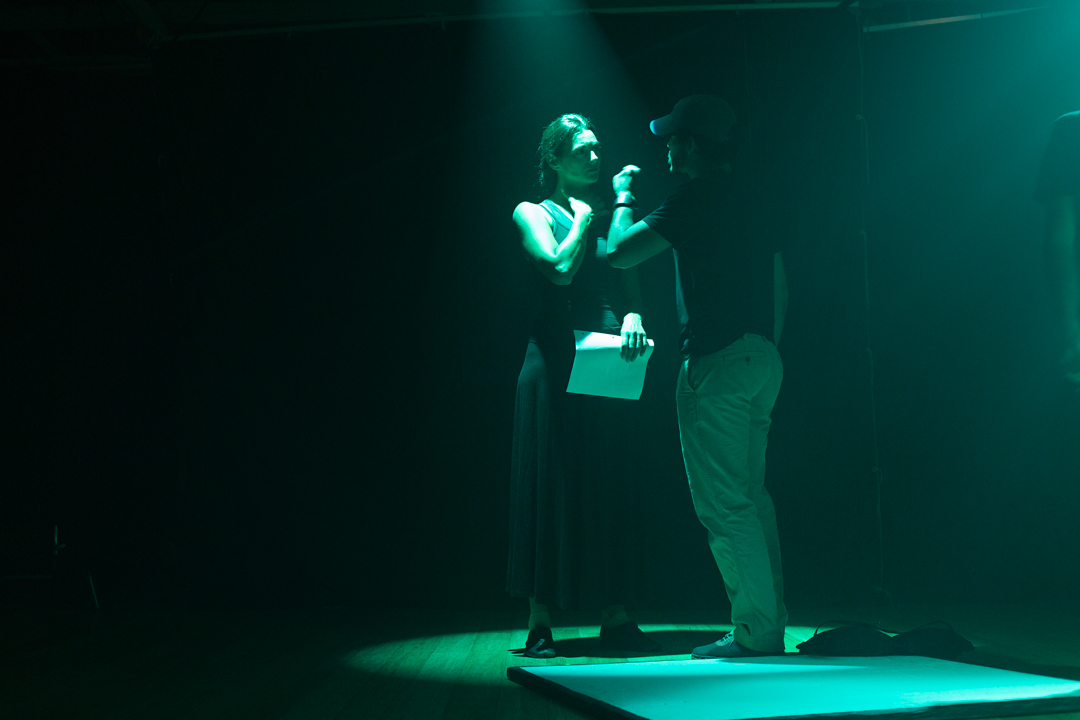
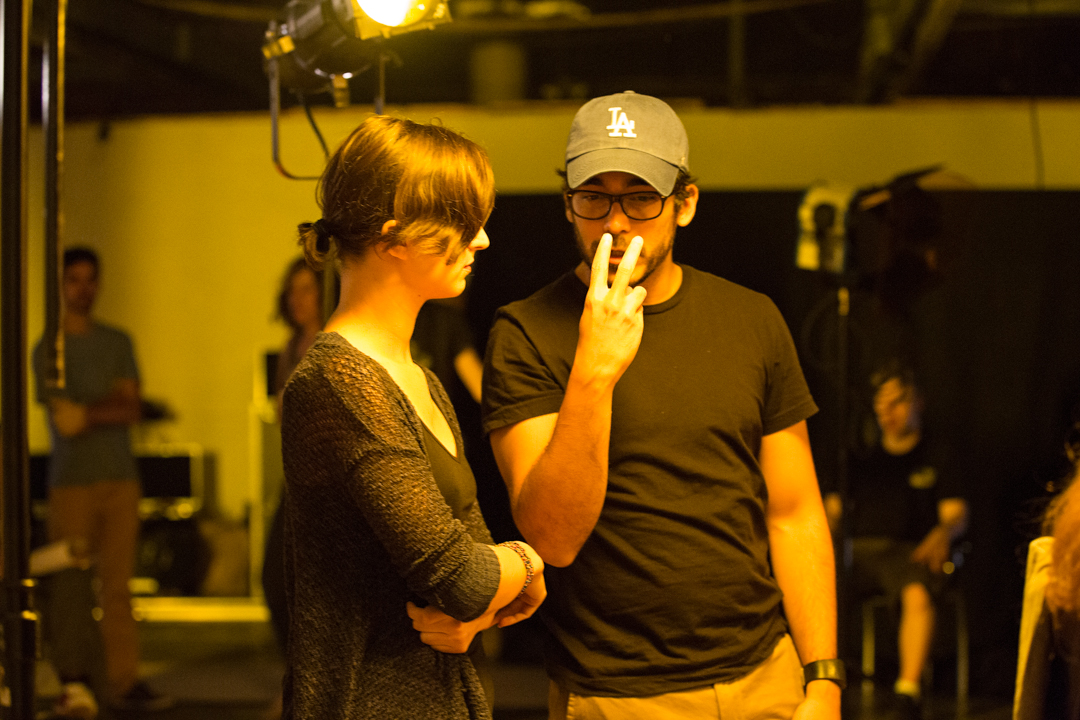
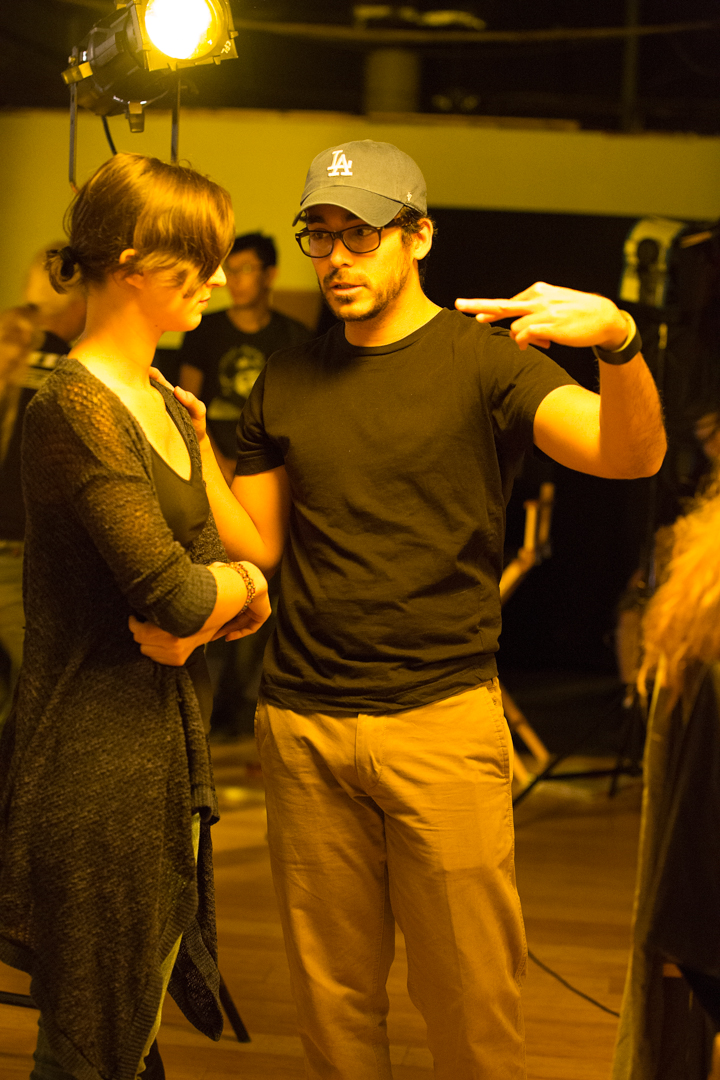
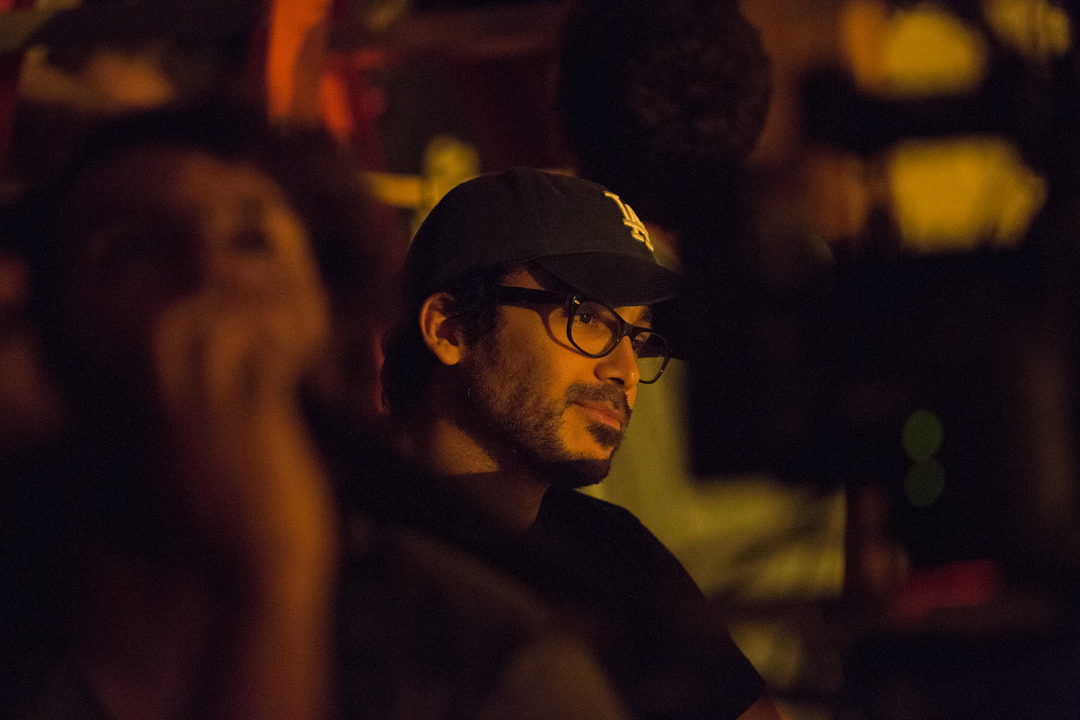
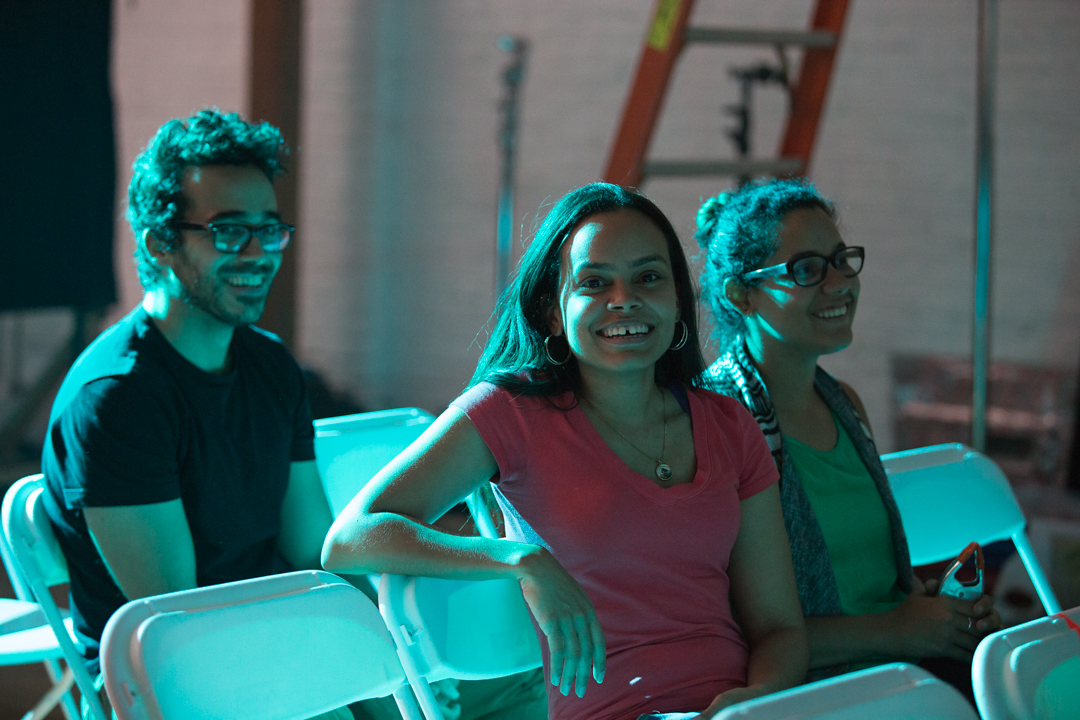
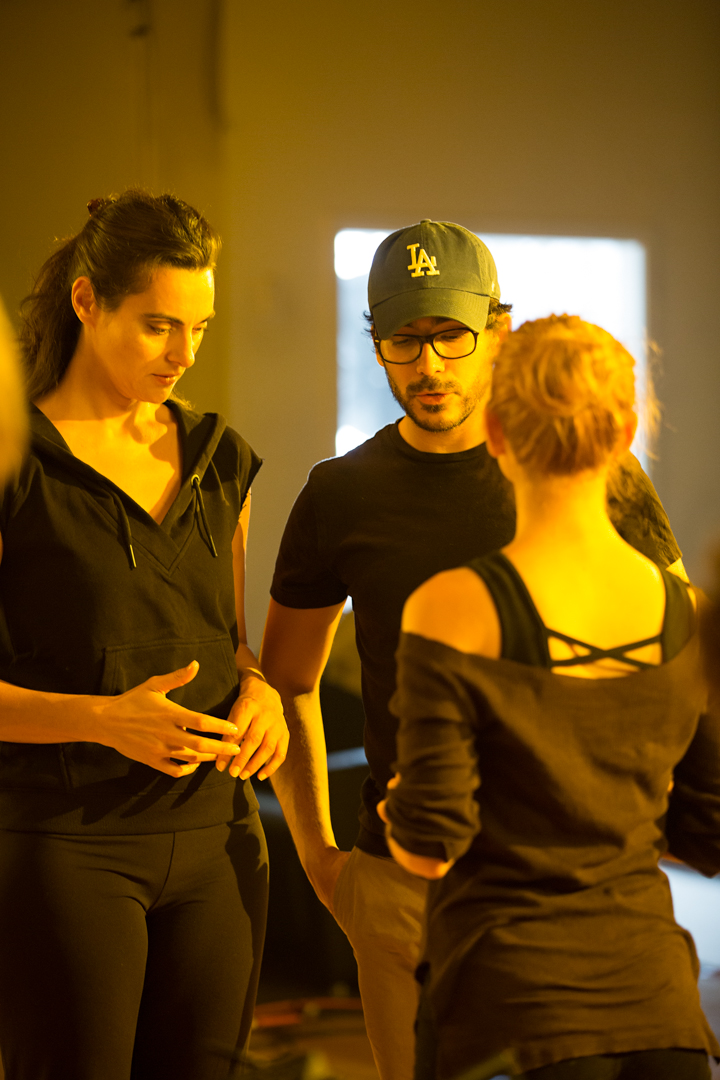
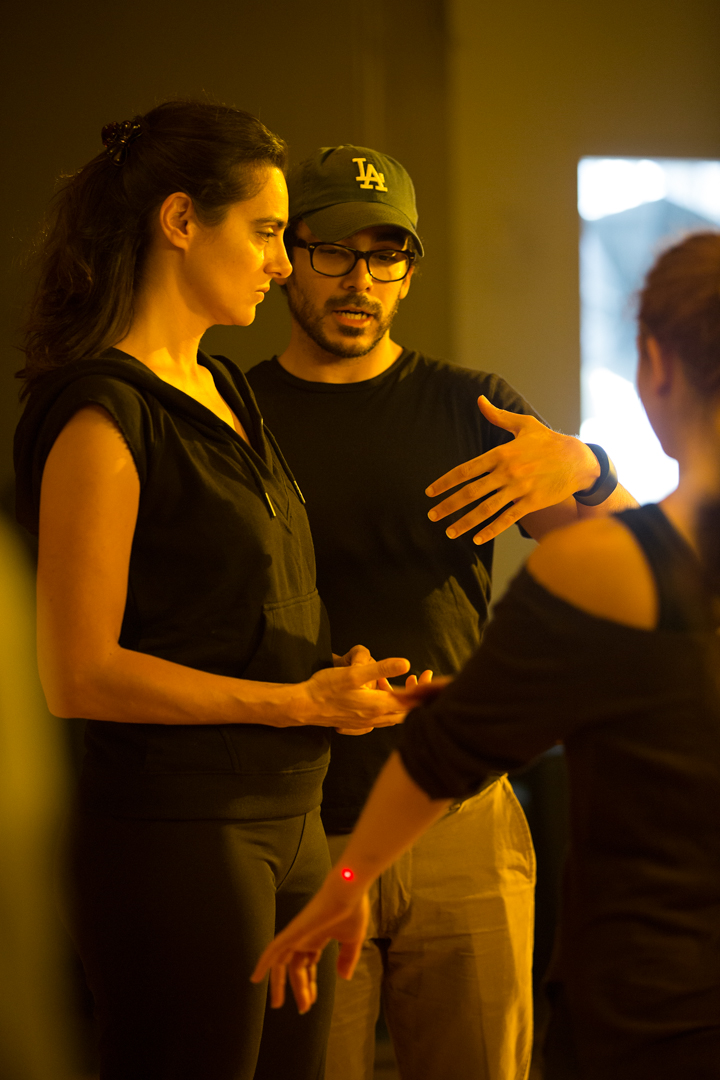
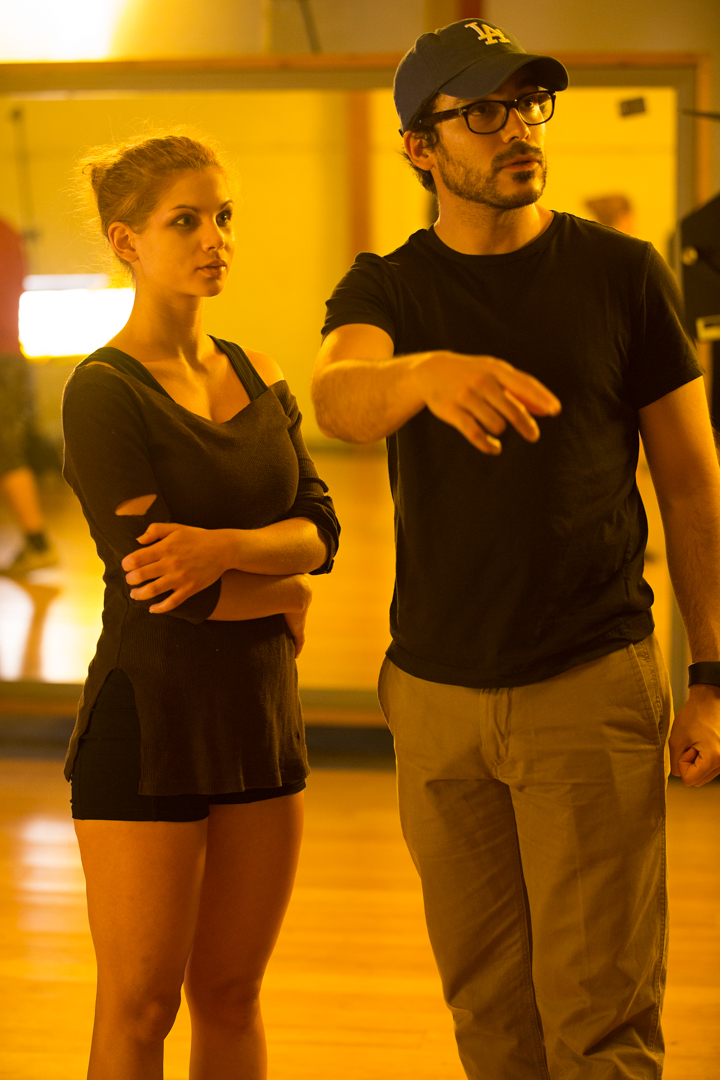
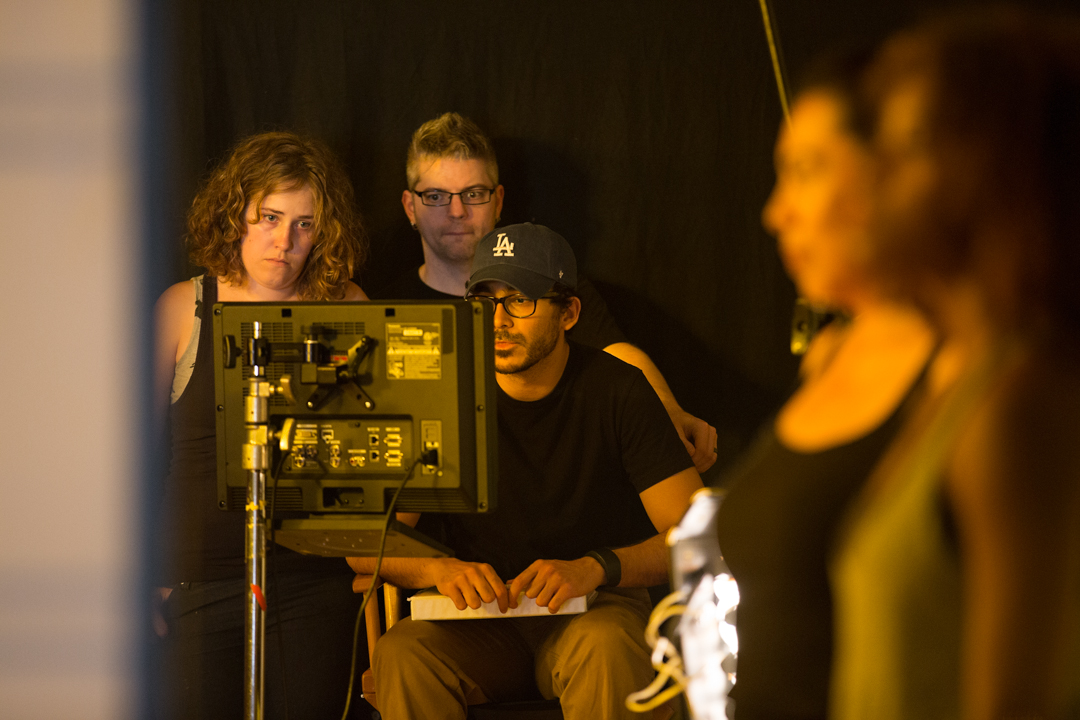
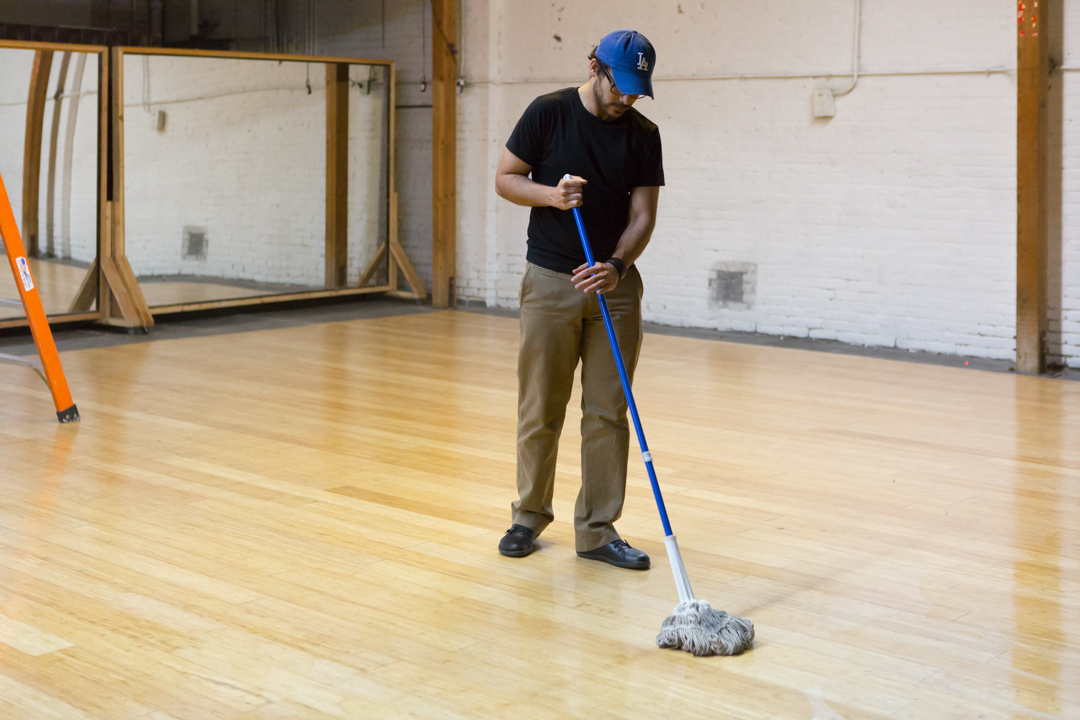
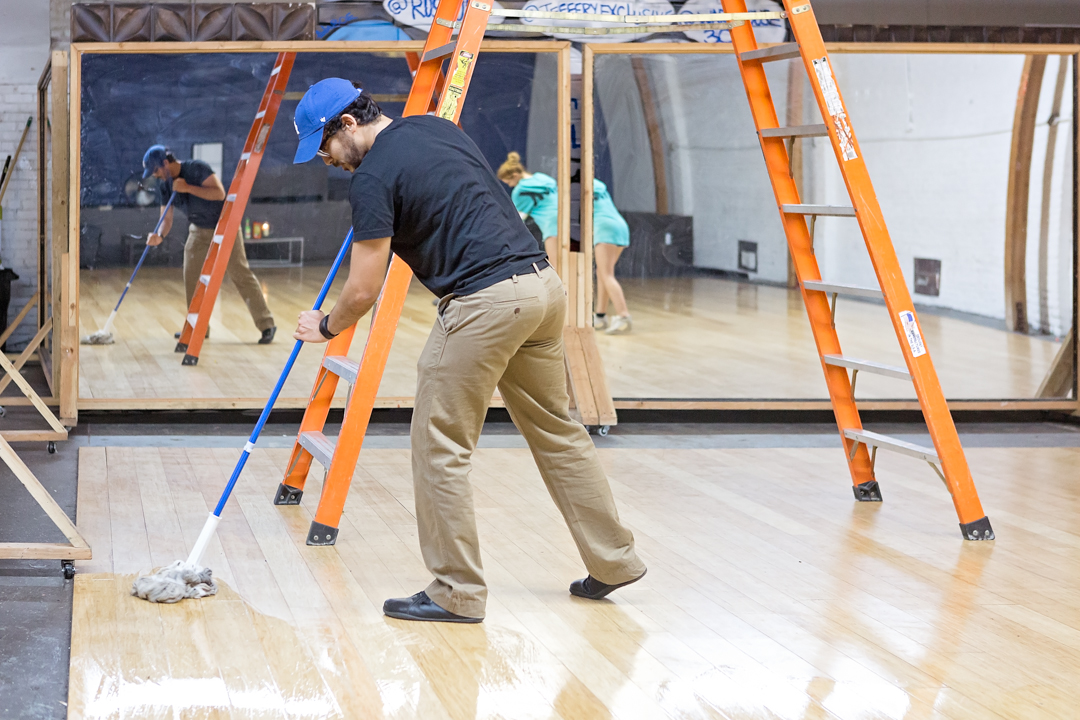
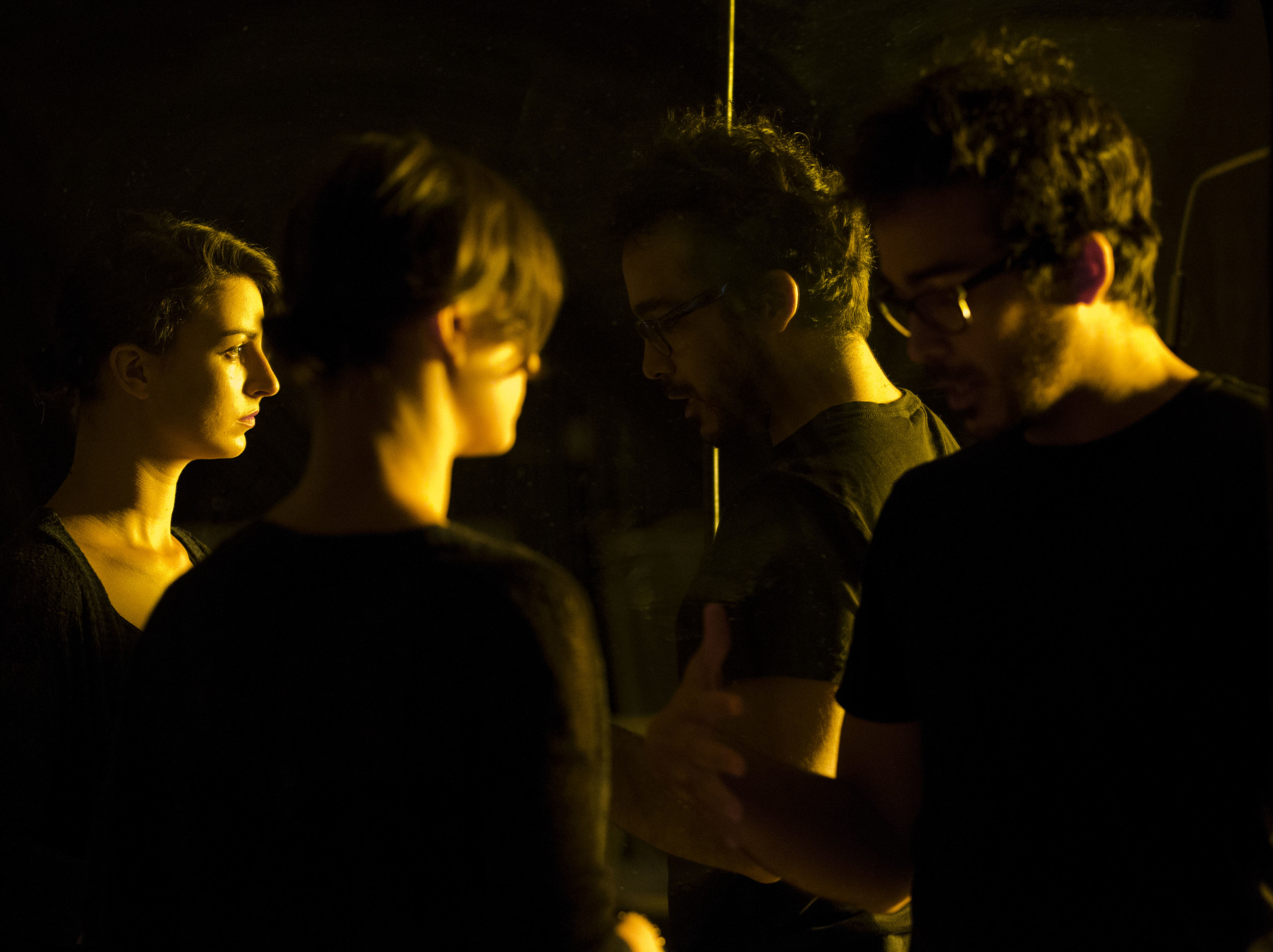
Impressions Production and Director's Book

Xiomara Fortuna Calle Adentro - (In development)

Xiomara Fortuna Calle Adentro (Xiomara Fortuna Down on the Street)
Faced with the creative process of composing his music, we find Xiomara Fortuna in his studio in the company of musicians as they work their songs. Through the magic of music we moved to the towns of the island where the roots of musical expression Xiomara used to create their music. During this trip we will discover the emotional geography of the Dominican folk music through the eyes of the most important singer of the Dominican Republic.
If you want more information about his project, become a partner or part of the production team, please write to contact@oliverolivo.com

Locations

Episodes Themes / Images for the Process


Images for the Process

Xiomara Fortuna Cámara en Mano (2013-2016)
Several years ago we started to develop a project to Xiomara Fortuna and during the process we had this conversation where we could talk with her and the members of his band about their music.
This material was not intended to be shared but after review and edit it we realized it was worth sharing as we do our main project, "Xiomara Fortuna Street Adentro".
Here is the cut that we prepared to know a little more about the excellent work of one of the most important artists of the Dominican Republic.
English and French subtitles coming very soon.
Enjoy.
English and French subtitles coming soon.
Estimated Budget: 0 / $$$$$
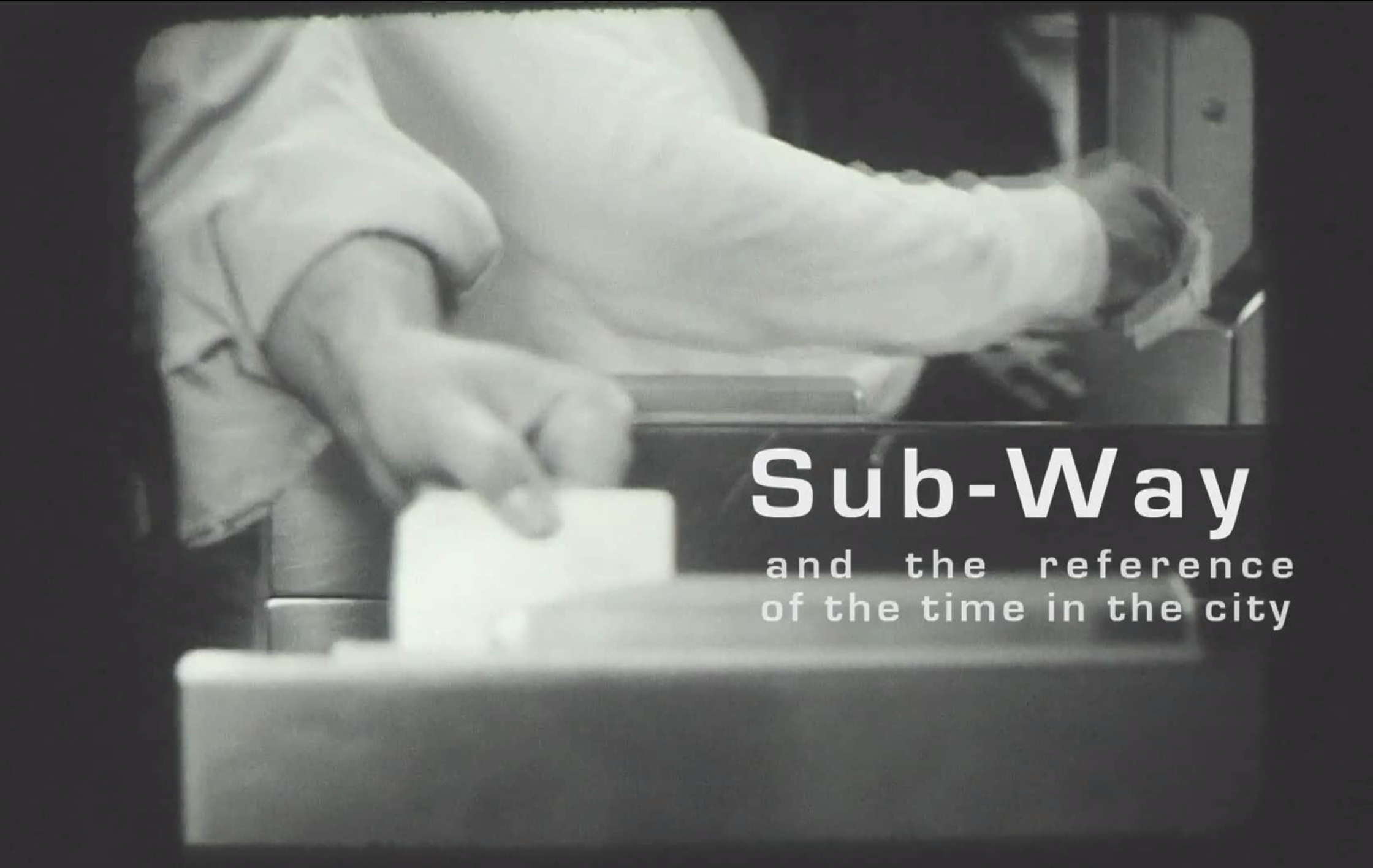
Throwback 2013: Music Film
Within 3 weeks in filmschool we were set to shoot our first film with music. I wanted to put some music to my everyday process getting to school through public transportation along with around 4-5 millions of users in the NYC Metro system.
October 2013. Within 3 weeks in filmschool this was our first video using music (not silent as the previous ones). 16mm Reversal film. Shot with 1952 Arriflex 16ST.
The music is "Man with a movie camera" from The Cinematic Orchestra. I don't have the rights but this was used with NO COMMERCIAL purposes.
Estimated Budget: 0 / $$$$$
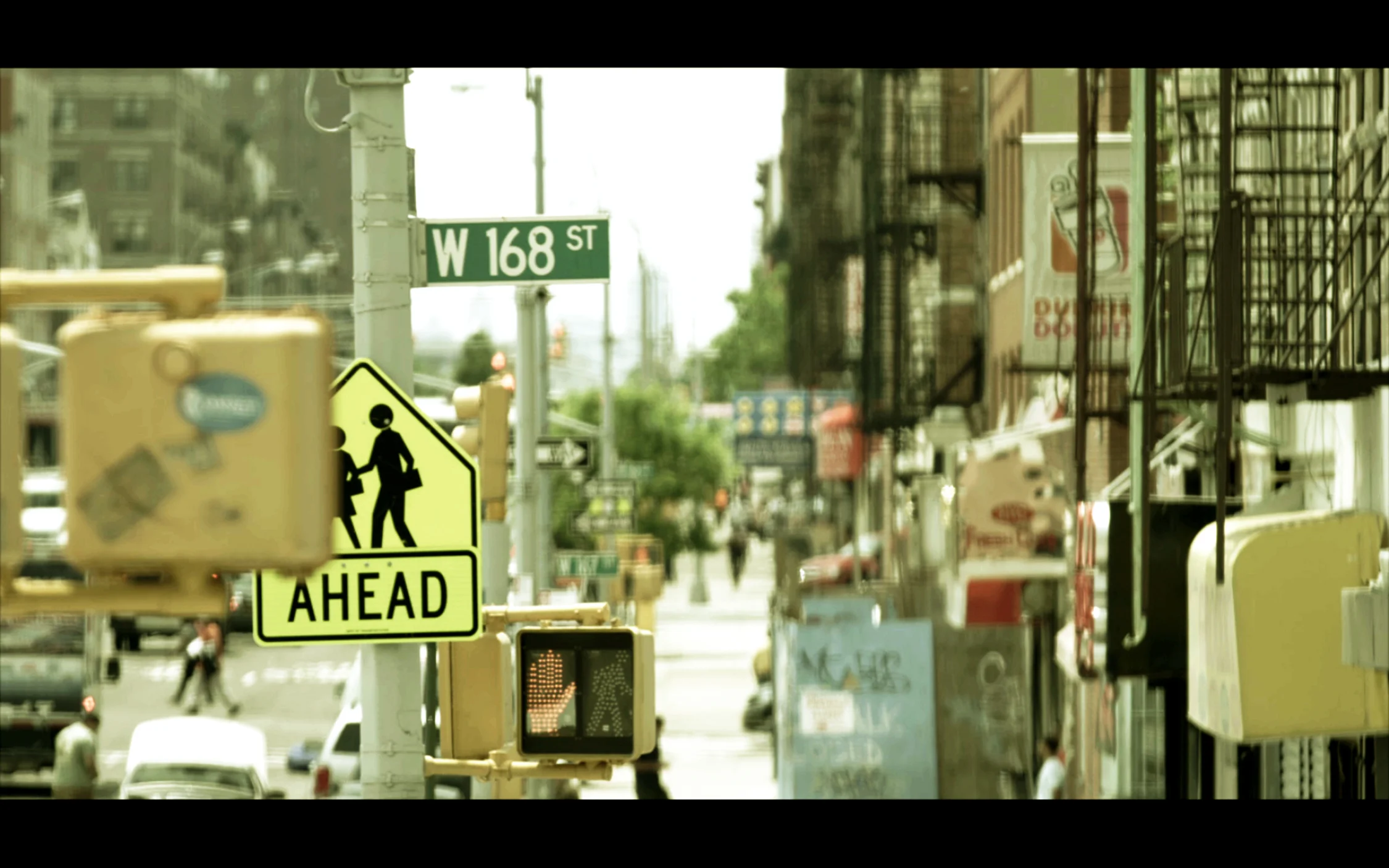
Boulevard 168 - (2014)

Boulevard 168. Click image to video.
Oliver Olivo Batista: Writer/Director
Ismelda Mojica: Producer
Guillermo Zouain: Editor
Victor Hugo Roque: Director of Photography
Estimated Budget: $ / $$$
Short Docu-Drama
First Year Intermediate Film.
After a judgment issued by the Dominican government denationalizing thousands of Haitian-Dominicans, many Dominican-Americans face the same faith in New York City.
A Photographer talks about his clients who come to his studio to take portraits to then send to their families back in Dominican Republic. He asks them what they think about the possibility of having an immigration judgment issued by the United States that denationalizes them and deports them.
This short is inspired by the director's thoughts on the TC168 judgment issued by the Dominican government denationalizing thousands of Haitian-Dominicans.
Official Selection of:
- The 4th Annual Dominican Film Festival in New York City from June 24-28, 2015. http://www.dominicanfilmfestival.com
- In the Competition of the 9th Edition of the River Film Festival, May 28th to June 10th 2015, in Padova (Italy). http://riverfilmfestival.org
- Official Selection InShort Film Festival 2015 during the ‘4 CORNERS’ special screening on September 5th 2015 in London, U.K. http://inshortfilmfestival.com
- Official Selection Seattle Short Film Festival. November 14th and 15th 2015 at the SIFF Film Center. http://www.seattleshort.org


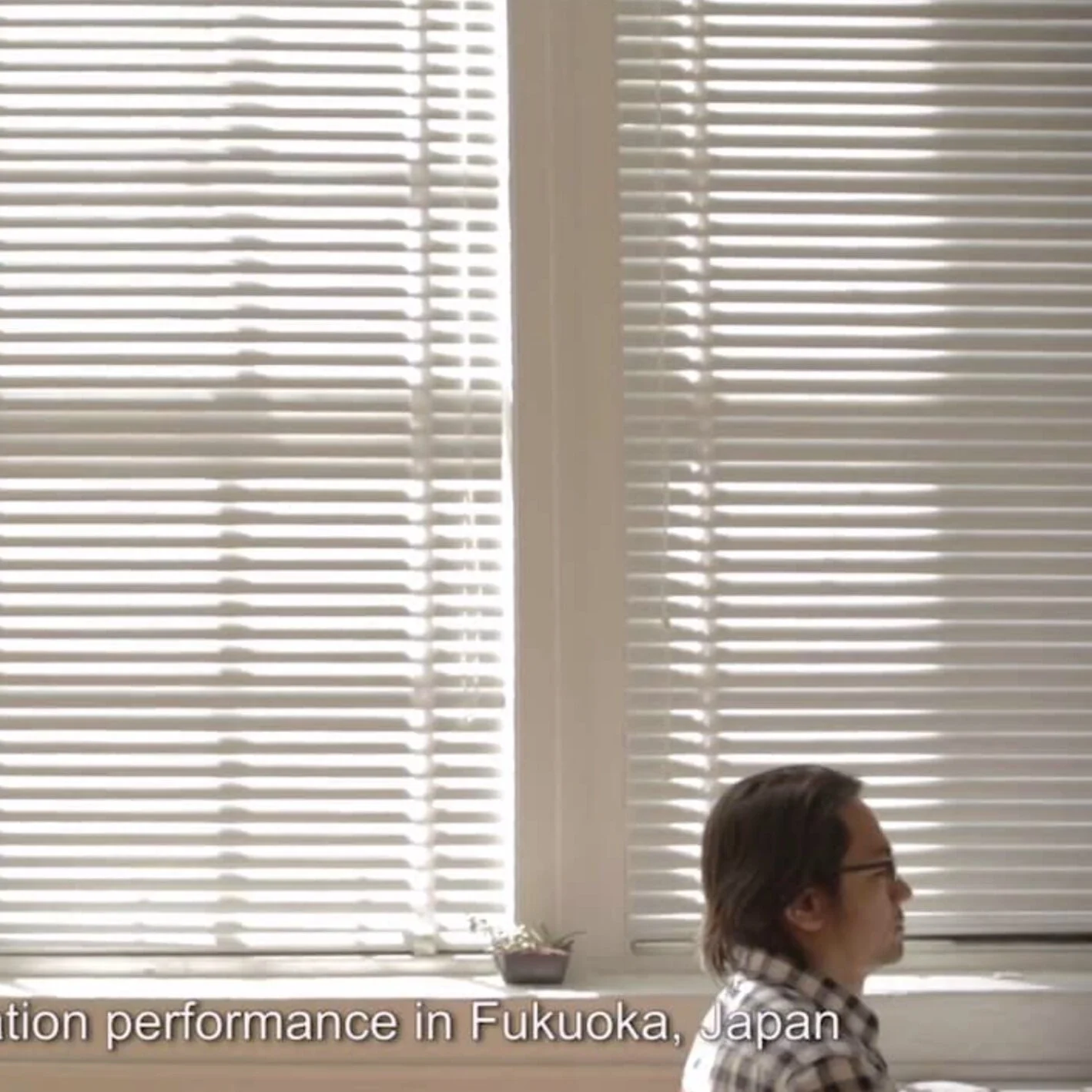
as Director of Photography: Portrait of a Contemporary Artist - (2014)
Produced, Directed & Edited - Win Khant Maung
Director of Photography - Oliver Olivo Batista
Co-Produced with Stjepan Ostoic Papic
Short Film with english subtitles here
By Win Khant Maung:
Aung Myat Htay is a contemporary artist residing in Yangon, Myanmar (Burma). He started his career as a painter and later became a contemporary artist. In July 2014, our mutual friend, the Maw Naing introduced us while Aung Myat Htay was in New York City on a research program from ACC. Getting to know an artist like him & his works was really inspiring & we decided to make a short documentary video about him.
I would like to thank Ko Aung Myat Htay for sharing his precious time & his works as well as my super crew members, Oliver & Stjepan (J is like an I) for their great efforts on this one day of production.

Up Clothes and Personal - (2014)

Up Clothes and Personal. Click image for video.
Oliver Olivo Batista - Shot and Edited.
With Jorge Brown for Lía Pellerano in New York City. Ángel Sánchez Studio
Estimated Budget: 0 / $$$

The Frontiers of Drown 'Chekhovian film exercise' - (2013)

The Frontiers of Drown
Oliver Olivo Batista - Writer/Director
Phil Masters - Director of Photography
Estimated Budget: 0 / $$$
Short film with subtitles here
NYFA
A Short Film exercise adding dialog for the first time. The Teacher gave the whole class 4 different dialogs and each of us had to choose one then write a story around the dialog. Here we have the battle between text and subtext.
Un cortometraje para un ejercicio dentro de la clase. El profesor repartió 4 diálogos entre toda la clase y cada estudiante tenía que elegir uno y escribir su historia alrededor de este diálogo. Se da la batalla de Texto vs Subtexto.
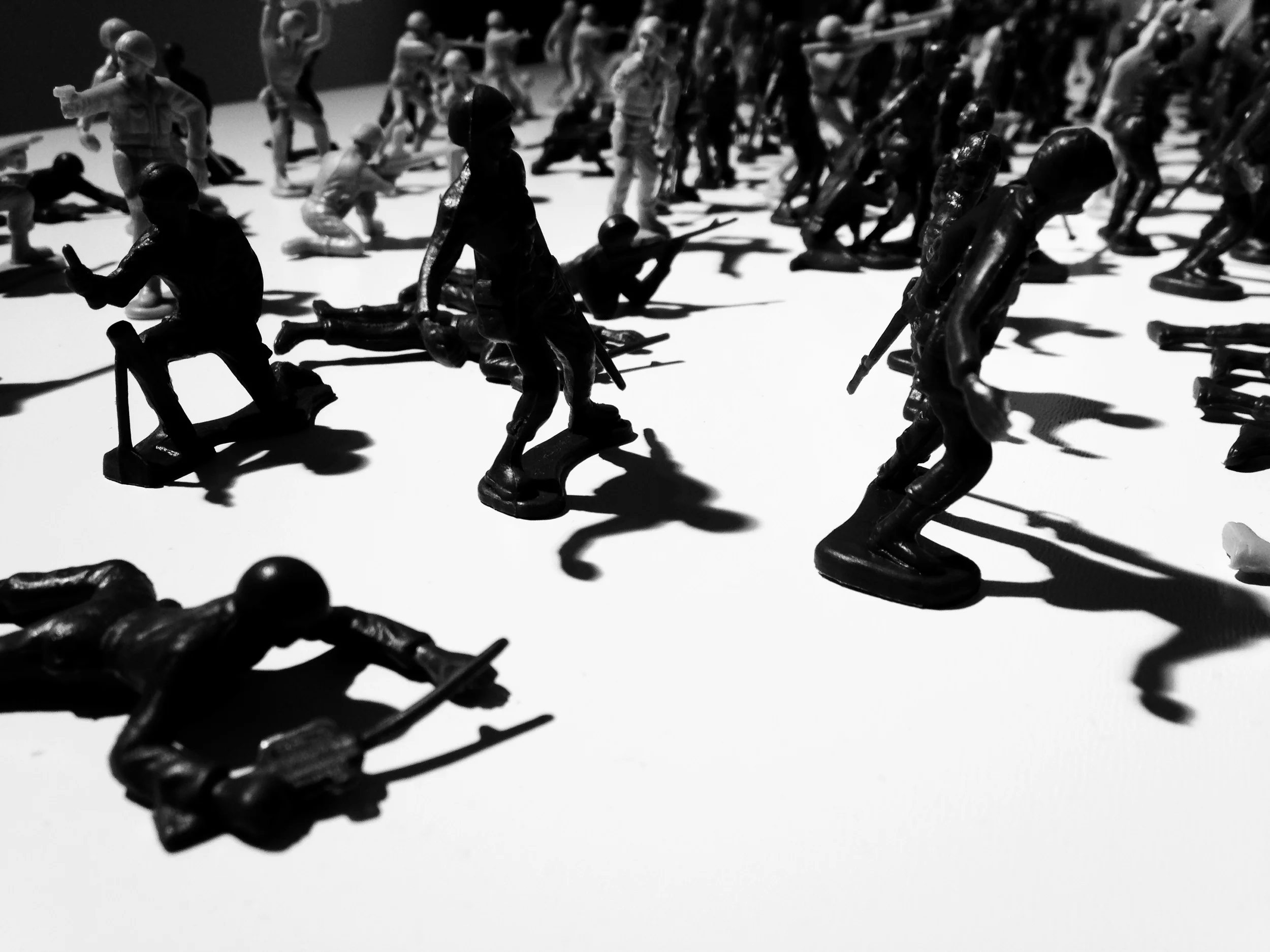
The Battle of Carmen 'School Quarter Film' - (2013)

The Battle of Carmen. Click image for video.
Oliver Olivo Batista - Writer/Director
Stjepan Ostoic Papic - Director of Photography
Sandy Hernández - as Carmen
Estimated Budget: $ / $$$
Quarter Film in the MFA in Filmmaking Program at New York Film Academy.
After the first 8 weeks at NYFA, which felt like 6 months, here is my first shortfilm.
Rules: No dialog, Black and White, between 6 and 8 minutes.

The Reform 'La Reforma' - (2013)

The Reform. Click image for video.
Oliver Olivo Batista - Writer/Director/Photographer/Editor
Mariel Demorizi - Producer
Estimated Budget: $ / $$$
Short film with subtitles here
Our entry for the "One Minute Wake Up Film Festival." Santo Domingo, Dominican Republic. 2012-2013

DoP/Camera Operator: Letter to my Future Daughter - (2012)

Letter to my Daughter. Click image for video.
Fran Montás: Producer
Robert Lizardo: Writer/Director
Oliver Olivo Batista: Director of Photography / Camera Operator
Santo Domingo, Dominican Republic, 2012
Short film here with English Subtitles.
To My Future Daughter...
A young Dominican filmmaker upset about the death of a college student in the midst of a protest, decides to leave his future daughter a video with a life lesson...
Para Mi Futura Hija...
Un joven cineasta dominicano afectado por la muerte de un estudiante universitario en medio de una protesta, decide dejarle a su futura hija un vídeo con una enseñanza de vida...

Life Instructions - Manual de la Vida (2011)

Life instructions. Click image for video.
Oliver Olivo Batista - Writer/Director/Photographer
Crystal Fiallo - Producer
Estimated Budget: 0 / $$$
Shortfilm
One Minute Anti Corruption Film Festival
December 2011, Santo Domingo, Dominican Republic.
As soon as Oliver Olivo was informed about this festival he was really interested in participating. It was a festival fighting corruption, The One Minute Anti-Corruption Film Festival. It was a real challenge because he had not made any short films on his own yet and it had a time duration limitation of only one minute. Oliver knew that he had a good idea but he had a writer’s block and did not know what to do. He wrote countless ideas two weeks before the deadline but he was still jammed. Suddenly, three days before the deadline, the final idea came to his mind; he wrote it down and made his story board. The crew shot the documentary in only one day with a hand camera, with no professional actors and no lighting. They were just enthusiastic about the idea.
The idea was to make an anti-corruption video without showing not even one immoral or corrupt act. It was meant to resemble an euphemism of the fight against corruption. The hands were used as a symbol of creating things, of choosing to do the right thing or not; it was a matter of deciding if hands were to build or to destroy; deciding of being a corrupt human being or not.
Oliver's short film was selected as one of five finalists and awarded among 39 proposals.
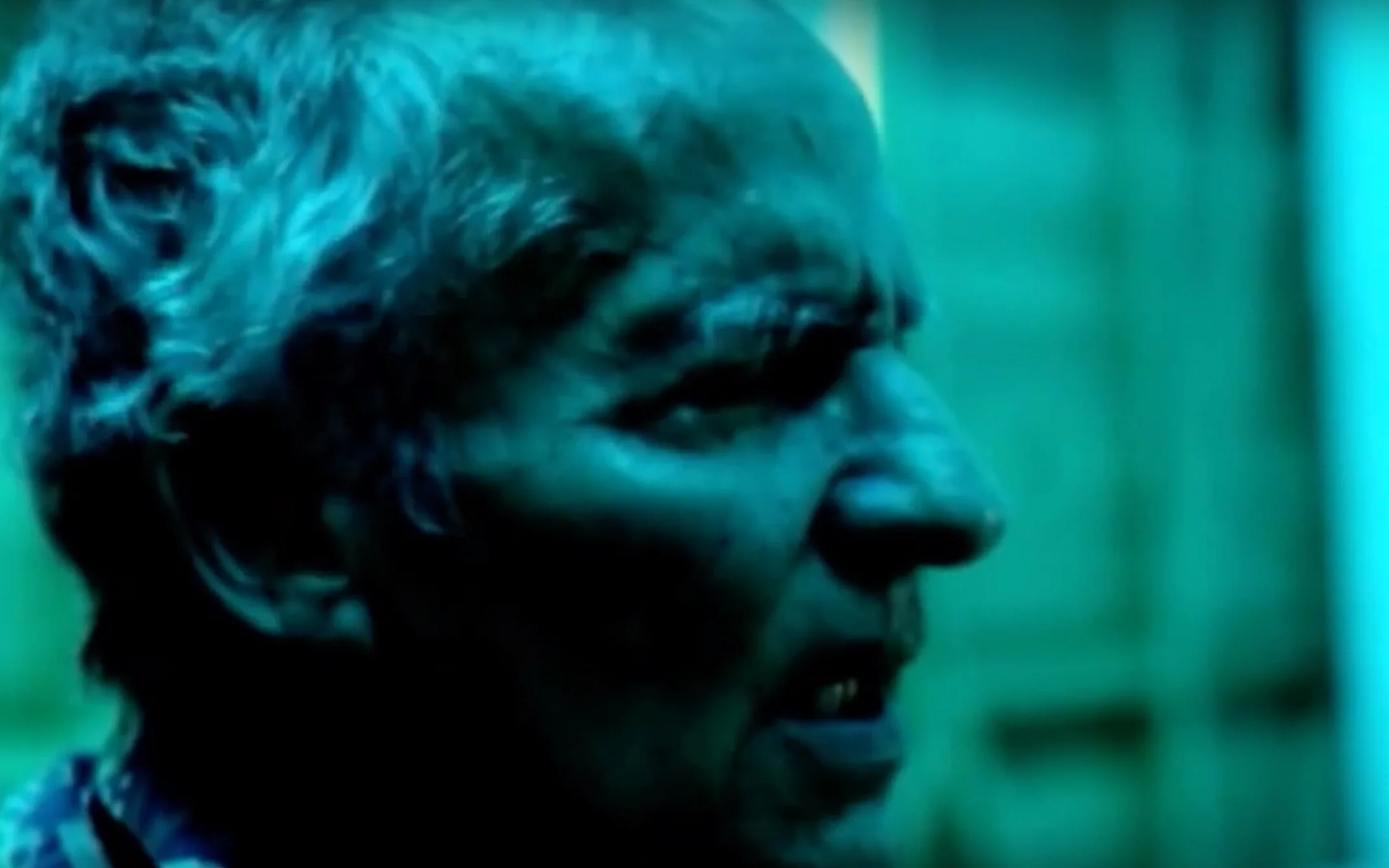
as Director of Photography: Apeco Pure Witnesses of My Life (2009)

Apeco Pure - Witnesses of my Life. Click Image for Video.
Judit Peralta - Director/Producer
Marisela Meier, Milagros Rodríguez and Lusbania Santos - Producers
Oliver Olivo - Director of Photography
Pedro Cruz - Camera Operator and Editor.
Short documentary
April 2009, Santiago, Dominican Republic.
Jesús Natalio Puras aka “Apeco” was considered to be one of the most important Dominican photographers. For more than 50 years, he photographed generations of families in Santiago de los Caballeros, weddings, baptisms, fifteen years' celebrations, events and openings ceremonies. He was Oliver Olivo's first photography teacher while studying architecture in 2002. During that semester, he suffered a stroke that nearly killed him. It took him about four years to recover, but he made it despite his old age. In 2009, a group of friends who were working on their thesis project at the PUCMM School of Communications invited Olivo to participate. It was a documentary film about Apeco.
The man Oliver thought was only a photographer turned out to be a performer, an actor and a painter. The group encouraged Oliver to collaborate on the documentary film as Director of Photography. An experience that he really enjoyed and that also helped him confirm what he had been feeling for some years: his passion for filmmaking. There was great teamwork and the project was a success at their school.
Apeco died nine months after the shooting.